
Split System Air Conditioning Melbourne: The Ultimate 2026 Homeowner Guide
Did you know that 59% of your home’s total energy usage is chewed up by heating and cooling systems? It’s a massive chunk of the household budget,…

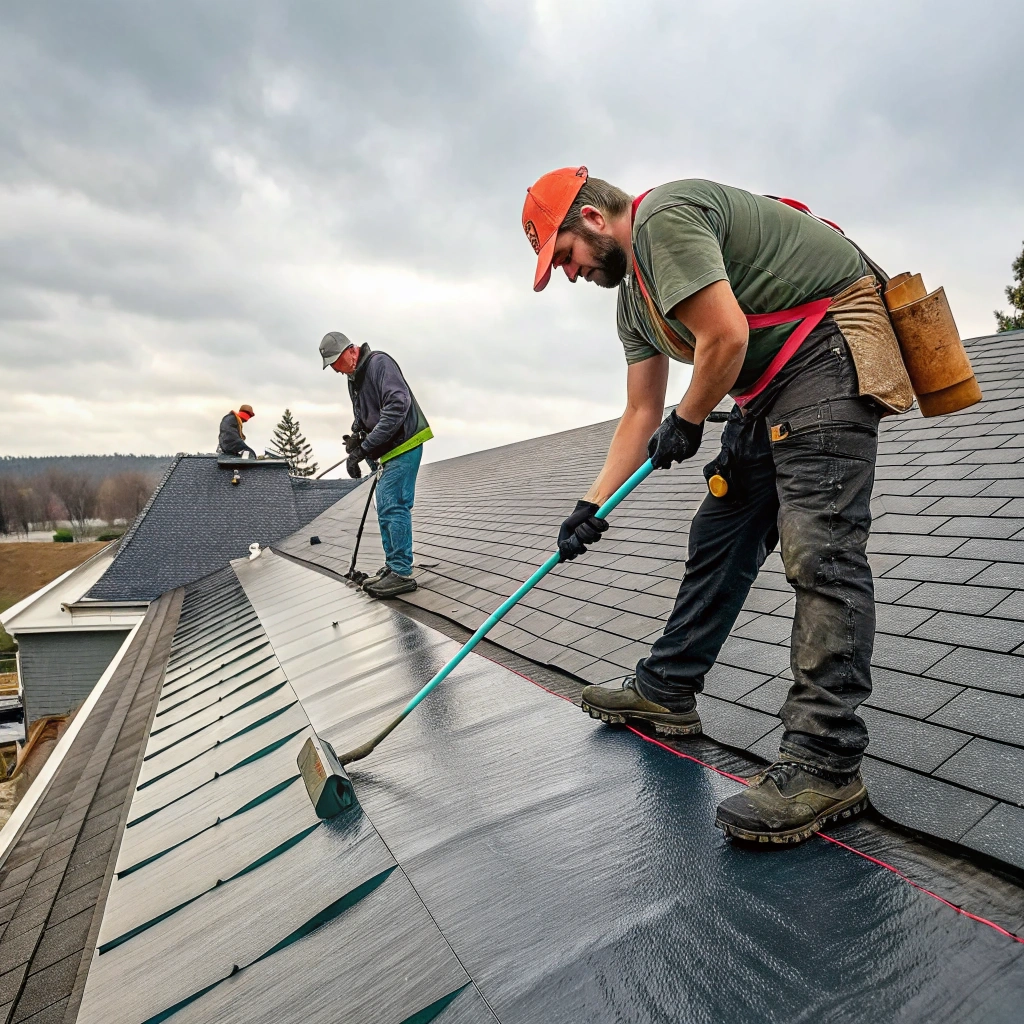
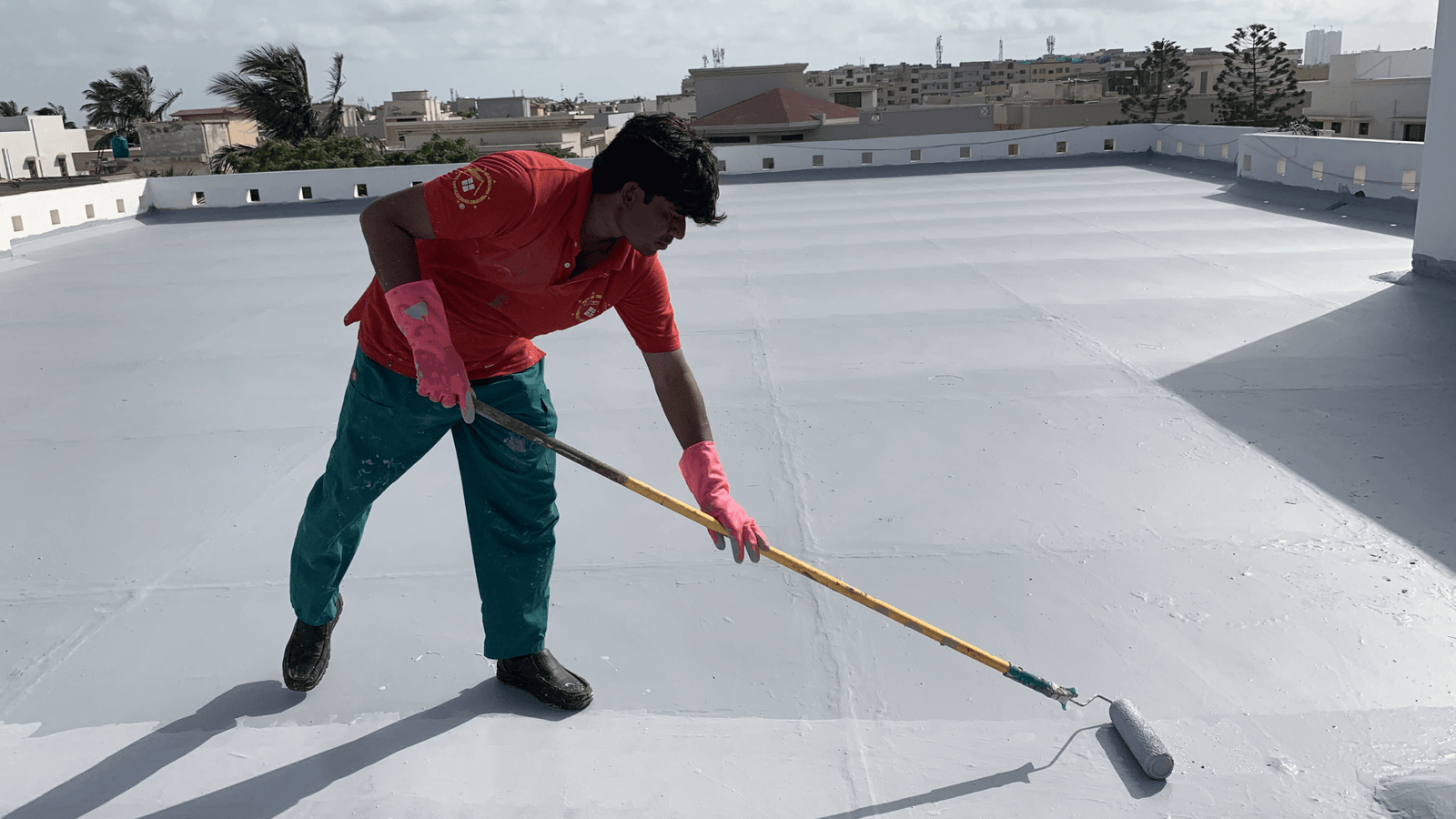 Waterproofing is one of the most important steps in protecting your home from long-term water damage, mould growth, and structural decay. It involves applying protective membranes or coatings to surfaces that are exposed to moisture — such as bathrooms, balconies, basements, and roofs. Proper waterproofing not only prevents leaks but also increases your property’s durability and value.
The cost of waterproofing in Australia depends on factors like surface area, location, type of membrane used, and accessibility. This guide breaks down the average prices, what’s included in professional waterproofing, and what affects the total cost of the job.
On average, waterproofing in Australia costs between $30 and $100 per square metre, depending on the area being treated and the materials used. Most standard residential waterproofing jobs — such as bathrooms or balconies — typically range between $500 and $2,000.
Here’s a general breakdown by area:
Bathroom: $800 – $1,500
Balcony: $600 – $1,200
Laundry: $300 – $800
Basement or retaining wall: $1,500 – $5,000+
Roof or deck: $2,000 – $10,000+
Larger or high-risk areas (like basements or roofs) require more intensive sealing and multiple layers, increasing both material and labour costs.
Different waterproofing methods are suited for different surfaces and moisture levels. Common types include:
Liquid membrane ($40 – $80 per m²): A flexible coating applied by brush or roller, ideal for bathrooms and balconies.
Sheet membrane ($50 – $100 per m²): Durable waterproof layers made from PVC, rubber, or bitumen, used for roofs and basements.
Cementitious coating ($30 – $60 per m²): A cement-based mix used for concrete surfaces such as pools, tanks, and basements.
Injection waterproofing ($80 – $150 per m²): Used to seal cracks or leaks in existing concrete structures.
Liquid membranes are the most common for indoor areas, while sheet and cementitious systems are preferred for external or high-moisture environments.
Several elements influence how much you’ll pay for waterproofing:
Surface area and condition: Damaged or uneven surfaces require repair before sealing.
Type of membrane: High-performance materials like polyurethane or bitumen cost more but last longer.
Location and accessibility: Basements, roofs, and hard-to-reach areas involve extra labour and equipment.
Number of coats and layers: Most applications require at least two coats for full protection.
Labour rates: Plumbers or waterproofing specialists typically charge between $50 and $100 per hour, depending on region and experience.
Preparation and drying time: Complex sites may require multiple visits, increasing total costs.
Each factor contributes to how long the job takes and how much material is needed, so accurate quoting is essential.
While DIY waterproofing kits are available at hardware stores, professional waterproofing is always recommended, especially for wet areas like bathrooms and balconies. Incorrect application or inadequate sealing can lead to leaks, water damage, and even insurance issues down the line.
Licensed waterproofers ensure that all work meets Australian Standards (AS 3740) and is properly certified. They also provide warranties on both materials and labour. Although DIY may save money initially, hiring professionals guarantees long-term protection, compliance, and peace of mind.
The waterproofing process involves several critical steps to ensure surfaces are properly sealed and protected against water penetration. It begins with surface preparation, where the area is cleaned, dried, and repaired to remove cracks, dust, or debris. Any gaps or holes are filled with sealant, and primer is applied to help the membrane adhere better.
Next, the waterproofing membrane — either liquid, sheet, or cementitious — is applied in one or more layers. Each coat must dry completely before the next is added. In bathrooms or balconies, corners, joints, and wall junctions are reinforced with waterproof tape or fabric to prevent leaks. Once the final layer has cured, the area is inspected and tested before tiles or finishes are installed.
A professional waterproofer will also issue a compliance certificate, confirming the work meets Australian Standards and is covered by warranty.
The lifespan of waterproofing depends on the materials used and the environment it’s applied in.
Liquid membranes: 10–15 years
Sheet membranes: 15–25 years
Cementitious coatings: 8–12 years
High-quality materials and proper installation extend performance, especially in high-moisture areas like bathrooms or rooftops.
To maintain waterproofing, it’s important to inspect grout lines, sealants, and drains regularly. Cracked tiles, loose joints, or poor ventilation can all reduce waterproofing life. Early detection and resealing when needed will help prevent major water damage and costly repairs.
In addition to basic waterproofing, you may encounter other related expenses that affect the overall project cost. These may include:
Surface repairs or levelling: $200 – $800
Crack filling and sealing: $100 – $400
Primer or bonding agent: $50 – $150
Waterproof testing or inspection: $150 – $300
Re-waterproofing existing surfaces: $500 – $1,500
If waterproofing is part of a larger renovation, such as a bathroom remodel or balcony rebuild, you’ll also need to budget for tiling, screeding, or plumbing work. Always confirm these costs upfront to avoid surprises once work begins.
You can reduce your waterproofing expenses with a few smart strategies. Start by getting multiple quotes from licensed waterproofers to compare pricing and inclusions. If possible, combine waterproofing with other renovation work, such as tiling or bathroom updates, to save on labour and call-out fees.
Choosing the right membrane for the area is also key — there’s no need to use high-end materials in low-moisture spaces. For small, non-critical areas, you can handle basic preparation yourself, like cleaning and patching surfaces, before the professional applies the membrane. Preventative maintenance and resealing every few years will also reduce the need for expensive rework later.
Waterproofing is an essential part of protecting your home from moisture damage, leaks, and mould growth. While the average cost ranges between $30 and $100 per square metre, the price depends on the area, materials, and level of preparation required. Investing in quality waterproofing pays off long-term by preventing costly structural damage and ensuring your home stays dry and healthy.
For peace of mind, always hire licensed and insured waterproofing professionals who follow Australian Standards and provide warranties. If you’re ready to waterproof your bathroom, balcony, or roof, The Tradie List makes it easy to find trusted local waterproofers. Compare quotes, check reviews, and hire qualified experts who can get the job done right the first time.
Did you know that 59% of your home’s total energy usage is chewed up by heating and cooling systems? It’s a massive chunk of the household budget,…
What if the sticker price on your new cooling system dropped by A$1,610 before you even signed the contract? Many homeowners assume the air…

What if I told you that 37% of your potential clients are now using AI tools like ChatGPT to find their next inspector instead of a traditional…
Did you know that electrical faults cause approximately 40% of all house fires across Australia? If your home still relies on old ceramic fuses, you…