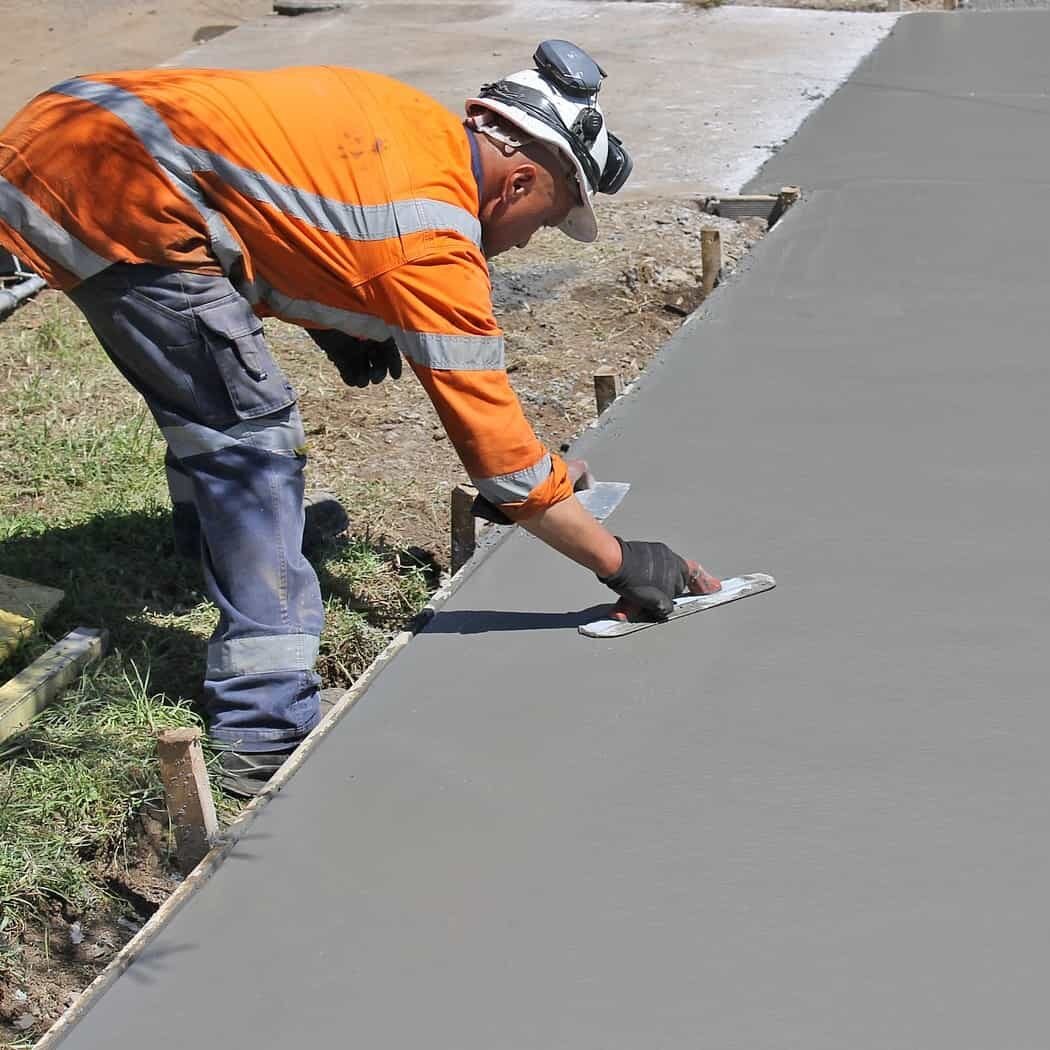
Concrete slabs are one of the most common foundations in Australian construction. Whether you’re building a new home, extending an existing property, or creating a patio, driveway, or shed base, a concrete slab provides the strength and stability needed for long-term durability. Because concrete is versatile, it’s used in a wide range of projects, from small garden paths to large structural foundations.
But how much does a concrete slab cost? Prices can vary significantly depending on size, thickness, site conditions, and the type of finish you want. On average, concrete slabs are charged per square metre, with additional factors like reinforcement, site preparation, and labour influencing the final bill.
In this guide, we’ll explore what affects the cost of concrete slabs, average prices across Australia, different types of slabs and finishes, and tips for saving money on your project.
What Factors Affect the Cost of a Concrete Slab?
Several elements contribute to the final cost of a concrete slab. The first and most obvious is size — larger slabs require more materials and labour, which increases the overall expense. Thickness also matters, as slabs designed for heavy loads, such as garage or driveway bases, need to be thicker and reinforced with steel mesh.
Site preparation is another significant factor. A flat and accessible site is cheaper to work on than a sloping or uneven block that requires excavation, levelling, or soil treatment. The type of finish you choose also plays a role. A plain concrete slab will be cheaper than decorative finishes like polished, stamped, or exposed aggregate concrete.
Finally, location and labour rates affect pricing. Costs tend to be higher in metropolitan areas compared to regional locations, and availability of skilled concreters can also influence the price. Additional extras such as edge thickening, waterproofing membranes, or under-slab insulation will add to the total.
Average Concrete Slab Costs in Australia
On average, a basic concrete slab costs between $70 and $120 per square metre. This usually covers materials, formwork, pouring, and finishing. For slabs requiring reinforcement, expect to pay closer to $120 – $150 per square metre. Decorative finishes such as exposed aggregate or polished concrete can push costs upwards of $200 per square metre.
For small projects, such as a shed slab, you might spend between $1,500 and $3,000 depending on size and site preparation. Larger structural slabs for new homes or extensions can cost $20,000 or more, especially when reinforcement, plumbing provisions, and engineering requirements are included.
Concrete Slab Cost Breakdown by Project Type
Concrete slabs are used in many different projects, each with its own price range. A simple patio or pathway slab is typically the cheapest option because it requires minimal reinforcement and preparation. Driveway slabs cost more as they need to withstand heavy vehicle loads, requiring thicker concrete and additional steel reinforcement. Shed slabs fall somewhere in between, depending on their size and whether they are engineered for heavier use.
The most expensive type of slab is a house foundation slab. These require extensive preparation, site surveys, soil testing, edge thickening, drainage solutions, and reinforced steel mesh. Because of the engineering involved, house slabs cost significantly more per square metre than decorative or garden slabs.
Hidden or Additional Costs
When budgeting for a concrete slab, it’s important to consider hidden expenses. Site preparation is often the biggest extra cost, particularly if excavation, grading, or soil treatment is required. Accessibility can also impact labour — tight or difficult sites may require more time or specialised equipment.
Additional costs may also include waterproofing membranes, termite barriers, under-slab insulation, or integrated plumbing and electrical conduits. If you’re replacing an old slab, demolition and waste removal will add to your budget. Decorative finishes, sealing, and polishing are optional extras that can substantially increase the final bill.
Benefits of a Concrete Slab
Concrete slabs offer several advantages, making them a popular choice for both residential and commercial projects. They are extremely durable and long-lasting, capable of withstanding heavy loads and harsh weather conditions. Concrete also provides a strong, stable foundation for homes and sheds, reducing the risk of movement and cracking compared to other foundation types.
Another key benefit is versatility. Concrete slabs can be finished in a variety of ways — from plain and practical to decorative polished, coloured, or exposed aggregate surfaces. This makes them suitable for everything from structural foundations to stylish outdoor entertaining areas. Slabs also provide good thermal performance, helping regulate indoor temperatures when used as part of a home’s foundation.
How to Save on Concrete Slab Costs
There are several ways to keep concrete slab costs under control. Choosing a plain finish instead of decorative options can save hundreds of dollars, while keeping the slab to a standard thickness avoids unnecessary reinforcement costs. Building on a flat, accessible site will also reduce excavation and preparation expenses.
If you’re planning multiple concrete projects, such as a driveway and patio, consider bundling them together to save on labour and equipment costs. Finally, always compare multiple quotes from licensed concreters in your area. Prices can vary significantly, and getting at least three detailed quotes will help ensure you get the best value without compromising on quality.
Finding the Right Concreter
Installing a concrete slab is a skilled job that requires experience, proper preparation, and the right equipment. Poorly laid slabs can crack, sink, or wear prematurely, so hiring the right tradie is essential. Look for concreters who are licensed and insured, and ask to see examples of previous work. An itemised quote that details preparation, reinforcement, pouring, and finishing will help you compare options more accurately.
For homeowners, The Tradie List makes it easy to find trusted local concreters. By visiting thetradielist.com, you can compare multiple quotes, check reviews, and hire with confidence knowing your slab will be built to last.