
Split System Air Conditioning Melbourne: The Ultimate 2026 Homeowner Guide
Did you know that 59% of your home’s total energy usage is chewed up by heating and cooling systems? It’s a massive chunk of the household budget,…

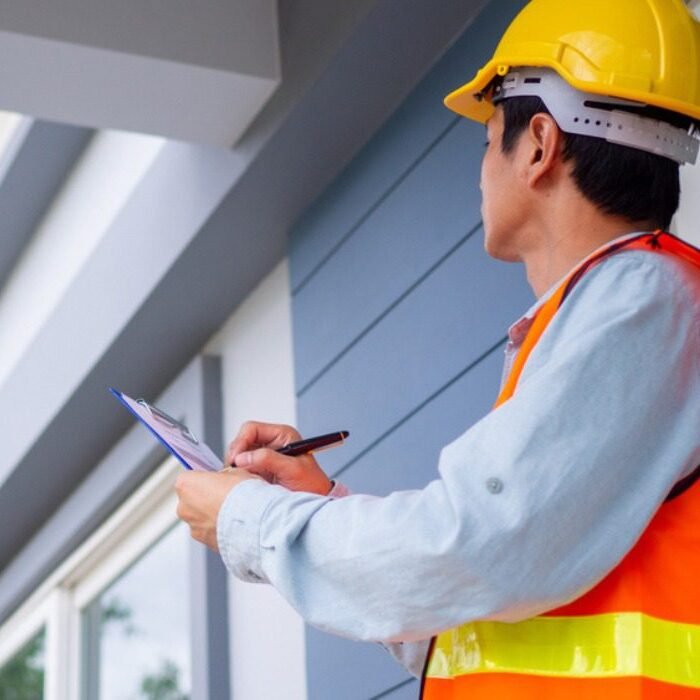

Check walls, foundations, and roofs for cracks, settling, or signs of deterioration.
Review cladding, windows, and external finishes for weather damage, leaks, or required repairs.
Inspect flooring, ceilings, and walls for wear, damage, or water stains that may indicate leaks.
Check smoke detectors, alarms, extinguishers, sprinklers, and fire exits for compliance and functionality.
Confirm emergency exit signs and backup lighting systems are working and clearly visible.
Ensure ramps, lifts, and facilities meet disability access standards and are in good condition.
Review heating, ventilation, and cooling units for efficiency, maintenance needs, and filter changes.
Check wiring, switchboards, and outlets for compliance with safety codes and signs of overload.
Inspect pipes, drains, and fixtures for leaks, blockages, and water quality concerns.
Check walls, ceilings, and floors for adequate insulation to improve energy efficiency.
Evaluate the use of energy-efficient lighting and consider upgrades to LED or smart systems.
Review taps, toilets, and irrigation systems for leaks or outdated fixtures that waste water.
Check records of past repairs, services, and upgrades to identify recurring issues or overdue tasks.
Ensure fire, electrical, and safety certificates are up to date and filed correctly.
Document findings, prioritise issues, and outline recommended actions for property management.
Did you know that 59% of your home’s total energy usage is chewed up by heating and cooling systems? It’s a massive chunk of the household budget,…

What if the sticker price on your new cooling system dropped by A$1,610 before you even signed the contract? Many homeowners assume the air…

What if I told you that 37% of your potential clients are now using AI tools like ChatGPT to find their next inspector instead of a traditional…