
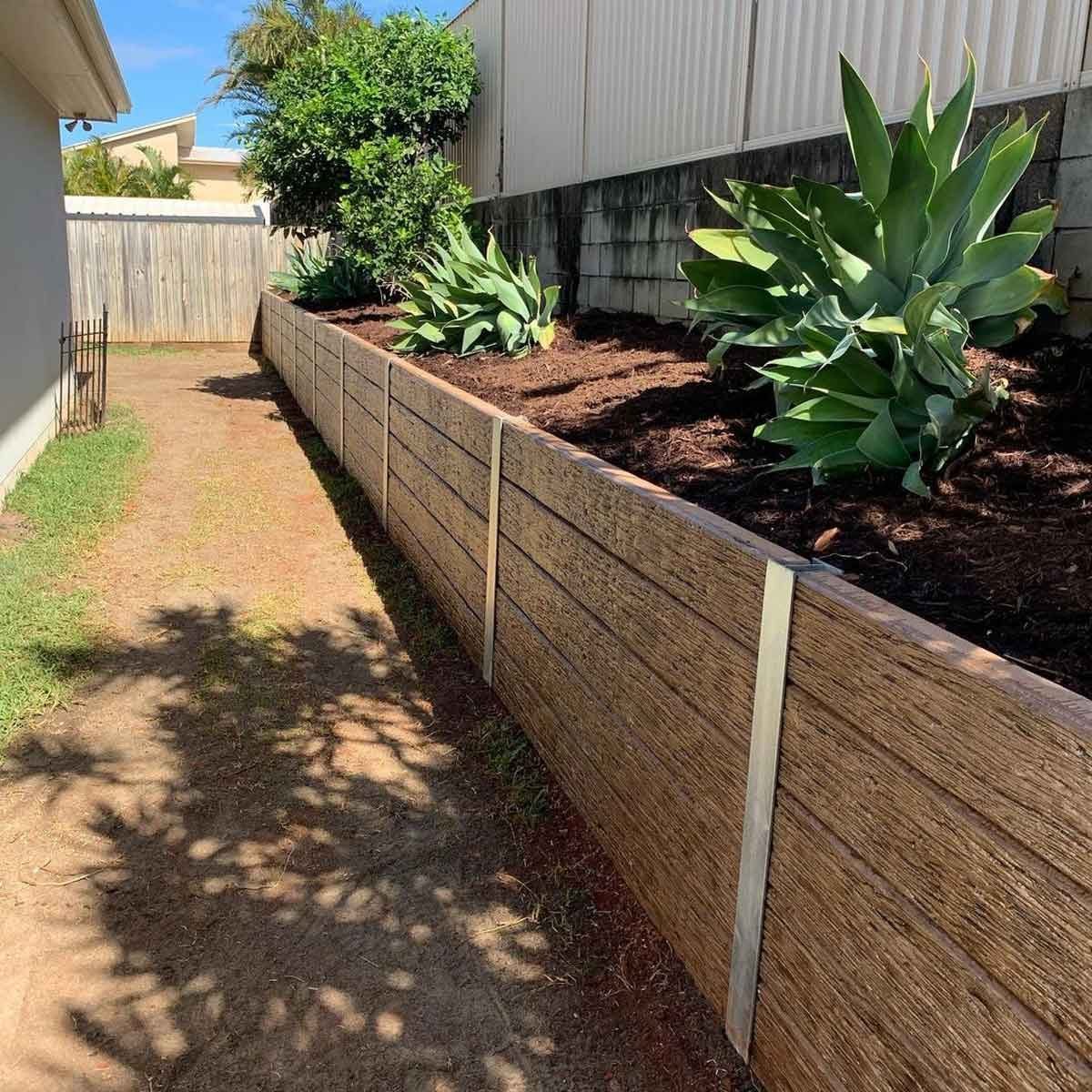
A retaining wall can transform your outdoor space by supporting soil, preventing erosion, and creating level areas for gardens, driveways or landscaping. Whether you’re building one for practical purposes or purely for design, a retaining wall is a valuable investment that adds both function and appeal to your property.
But how much does a retaining wall cost in Australia? The answer depends on several factors — from the wall’s size and materials to site conditions and labour rates. On average, retaining walls can cost anywhere from a few hundred dollars for a simple timber wall to tens of thousands for engineered stone or concrete structures.
In this guide, we’ll explore the key factors affecting retaining wall costs, average prices by material, installation expenses, hidden costs to consider, and how to find the right tradie for the job.
What Factors Affect Retaining Wall Costs?
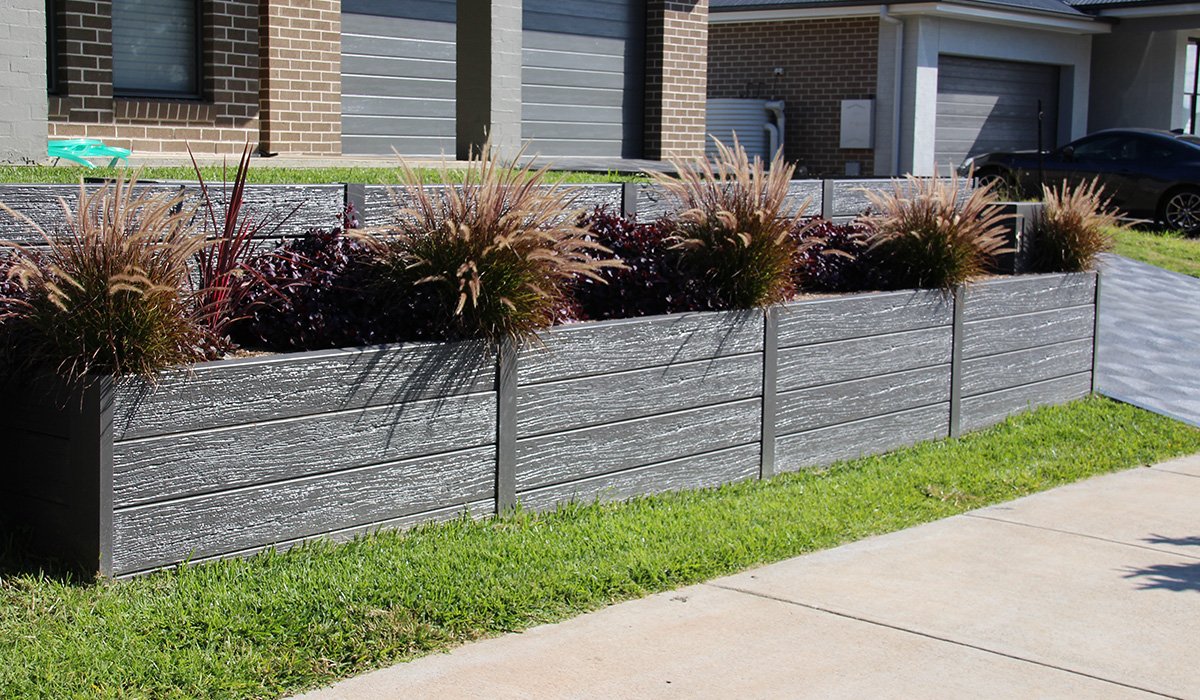
The cost of a retaining wall depends on a mix of practical and design factors:
Material choice: Timber, treated pine, stone, concrete blocks, or reinforced concrete all come with different price tags. Timber is usually the cheapest, while stone and reinforced concrete sit at the higher end.
Wall height and length: Taller and longer walls require more materials, labour, and structural support, which increases costs.
Site conditions: Sloping sites, poor soil quality, or limited access may require extra excavation or engineering.
Drainage requirements: Proper drainage is essential to prevent water pressure behind the wall. Additional piping or gravel may add to the cost.
Labour rates: Installation costs vary depending on location, with metropolitan areas often being more expensive.
Engineering or council approvals: Walls over 600–1,000mm typically require engineering certification and council approval, which adds design and application fees.
Average Cost of Retaining Walls in Australia
The cost per square metre or per linear metre varies by material:
Treated pine timber: $250 – $350 per m²
Hardwood timber: $300 – $450 per m²
Concrete sleepers: $350 – $600 per m²
Concrete blocks (interlocking): $400 – $700 per m²
Natural stone: $600 – $1,000+ per m²
Reinforced concrete walls: $800 – $1,200+ per m²
For a small garden wall, you might spend as little as $1,500 – $3,000, while larger structural walls can range between $10,000 and $20,000+.
Retaining Wall Installation Costs
Labour makes up a large part of retaining wall expenses. On average, installers charge between $60 and $100 per hour, or provide a per-project quote depending on complexity.
Installation costs may include:
Excavation and site preparation.
Concrete footings or piers.
Drainage systems (pipes, gravel).
Assembly of blocks, sleepers, or stone.
Backfilling and compaction.
Straightforward jobs on level ground are cheaper and faster, while complex sites with limited access or engineering requirements will raise the price.
Hidden or Additional Costs
Beyond the obvious materials and labour, other costs can creep in:
Council permits and engineering fees for walls above height limits.
Demolition and removal of old walls or existing structures.
Extra drainage or waterproofing if soil conditions are poor.
Machinery hire such as excavators or cranes for difficult sites.
Finishing touches like capping, painting, or landscaping around the wall.
Always request itemised quotes so you know what’s included and avoid budget surprises.
Benefits of Building a Retaining Wall
A retaining wall isn’t just practical — it can enhance your property in many ways:
Prevents erosion and improves soil stability.
Creates usable outdoor space by levelling slopes.
Boosts property value with functional landscaping.
Adds aesthetic appeal with modern designs in stone, block, or timber.
Long-lasting investment when built with quality materials and drainage.
How to Save on Retaining Wall Costs
There are ways to keep costs under control:
Choose treated pine or concrete sleepers over premium stone for budget-friendly options.
Keep your wall under 1 metre to avoid engineering and approval fees (where possible).
Do basic site prep yourself, such as clearing vegetation or small excavation.
Get multiple quotes from local tradies to compare pricing.
Schedule work in the off-season, when demand may be lower.
Finding the Right Retaining Wall Builder
Because retaining walls are structural, hiring an experienced and licensed professional is essential. Look for:
Builders with experience in your chosen material.
Proof of insurance and qualifications.
Itemised quotes covering materials, labour, and drainage.
Warranties or guarantees on workmanship.
To make it simple, The Tradie List connects you with trusted local retaining wall builders. Visit thetradielist.com to compare quotes, check reviews, and hire a licensed tradie with confidence.
Because retaining walls are structural, getting the job done right is essential. Poorly built walls can collapse under soil pressure, create drainage issues, and even become a safety hazard. That’s why hiring an experienced, licensed professional is always the safest and most cost-effective option in the long run.
When choosing a retaining wall builder, consider the following:
Experience with your chosen material: Not all builders specialise in every type of retaining wall. Someone skilled in timber sleeper walls may not have the same expertise with natural stone or reinforced concrete. Always choose a builder with proven experience in the specific style and material you want.
Qualifications and insurance: Check that your tradie is fully licensed (where required) and holds current public liability insurance. This protects both you and them if anything goes wrong during the project.
Itemised quotes: Ask for detailed written quotes that break down costs for excavation, drainage, footings, materials, labour and finishing. This way, you know exactly what you’re paying for and can easily compare quotes between different contractors.
Engineering knowledge: If your wall is higher than one metre or requires additional structural support, it may need engineering input. The right builder will know when an engineer is required and will liaise with them as part of the project.
References and portfolio: A reputable builder should be able to provide references from past clients or show you photos of completed retaining wall projects. This helps you gauge the quality of their workmanship.
Warranties or guarantees: Look for builders who stand behind their work with a warranty. This shows confidence in the durability and quality of their construction.
To make finding the right professional easier, The Tradie List connects you with trusted local retaining wall builders. By visiting thetradielist.com, you can compare multiple quotes, check reviews, verify qualifications, and hire with confidence — ensuring your retaining wall is built safely, legally, and to a high standard.

How Much Does Waterproofing Cost?
Cost Guides How Much Does Waterproofing Cost? $320 to $1,500

How Much Does It Cost To Move Plumbing Fixtures?
Cost Guides How Much Does It Cost To Move Plumbing