
Retaining Wall Checklist
Identify if the wall is for soil retention, landscaping, erosion control, or boundary support to guide material and design choices.
Confirm local council requirements and whether engineering approval or permits are needed for the project.
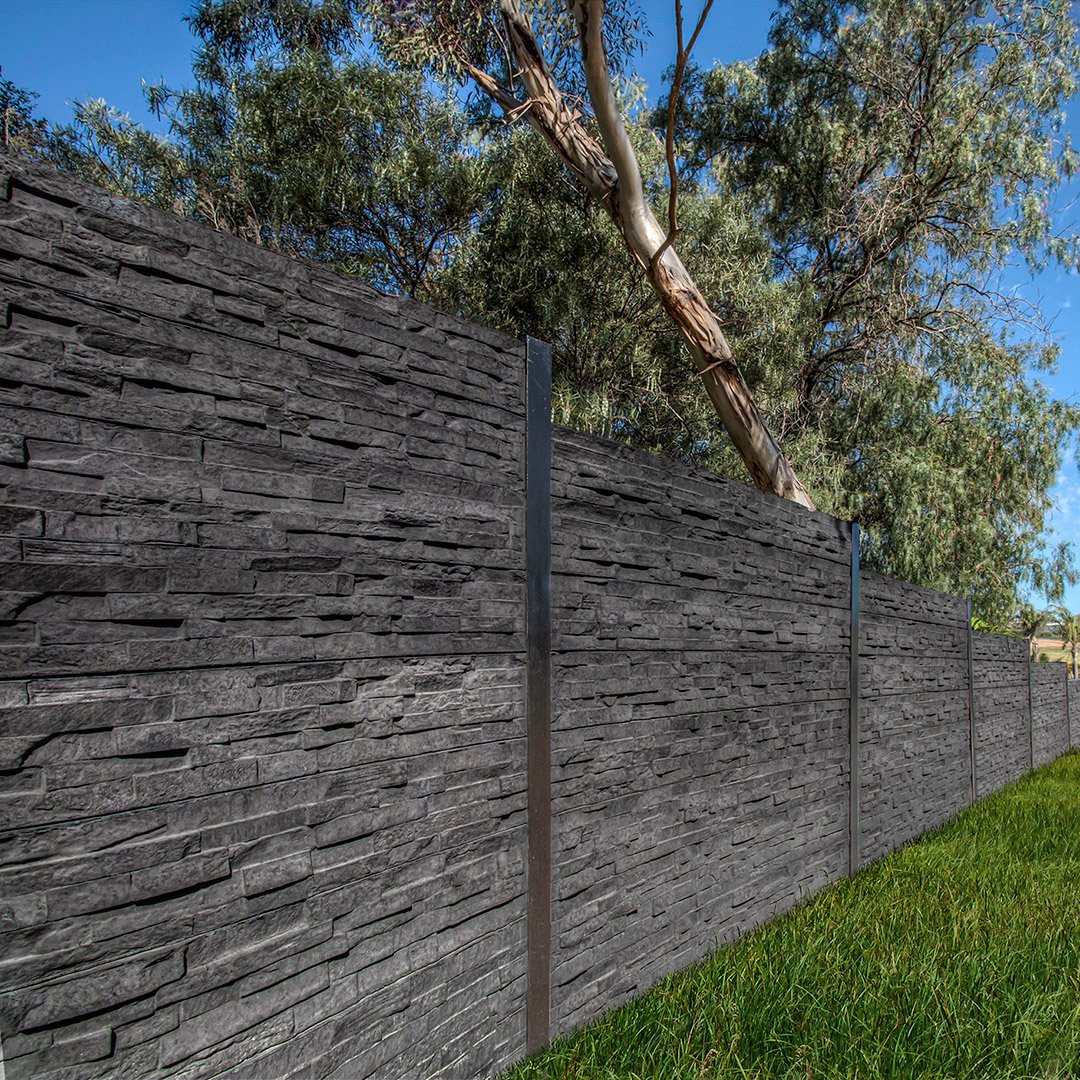
Choose suitable materials such as concrete blocks, timber, stone, or brick based on budget, durability, and aesthetics.
Use stakes and string to mark the alignment, ensuring the wall follows a straight or curved design as intended.
Dig a level trench wide and deep enough for the base material and wall thickness to provide stability.
Lay and compact gravel or crushed rock at the bottom of the trench to create a solid foundation.
Ensure the first row of blocks or stones is perfectly level, as this affects the entire wall’s stability.
Add perforated pipes and gravel backfill behind the wall to prevent water buildup and pressure.
Stagger joints between rows and compact backfill as you go to reinforce strength and prevent movement.
Use geogrid mesh, steel, or concrete reinforcement for taller or engineered walls as per design specifications.
Install capstones or finishing boards to protect the wall from weather and give a neat, polished look.
Ensure the wall is straight or evenly curved, with no bulging or leaning sections.
Backfill, level, and tidy up soil or garden beds around the wall to complete the project and improve drainage.
Check regularly for signs of cracking, bulging, or movement that may indicate structural issues.
Keep weep holes and drainage systems clear of debris to prevent water pressure behind the wall.
Address small issues quickly to avoid larger, costly failures and extend the life of the wall.
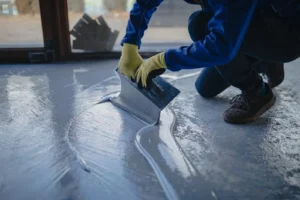
How Much Does Waterproofing Cost?
Cost Guides How Much Does Waterproofing Cost? $320 to $1,500