
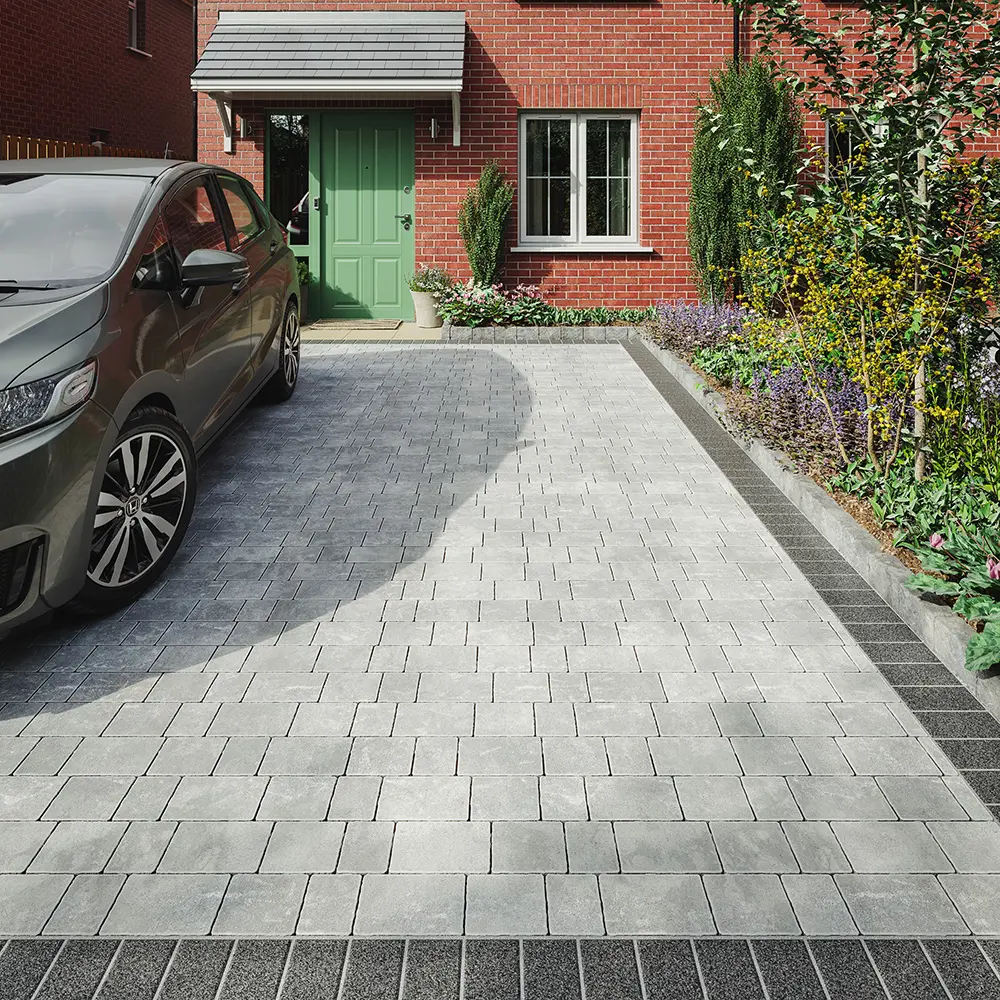
Paving is one of the most effective ways to improve the functionality and appearance of outdoor spaces. Whether it’s for a driveway, patio, garden path, or pool area, paving offers a durable and stylish surface that can withstand Australia’s tough climate. Unlike gravel or turf, pavers create a clean, stable surface that’s easy to maintain and adds long-term value to your property. Homeowners also appreciate the versatility of paving—it can be as simple as budget-friendly concrete pavers or as luxurious as natural stone finishes like travertine or bluestone. The cost of paving, however, varies significantly depending on the material you choose, the size of the area, site preparation requirements, and the complexity of the design.
For example, a basic concrete paved area will cost far less than a custom driveway using natural stone with decorative borders. Site preparation, including excavation and compacting a solid base, is often a large part of the cost and should never be overlooked if you want your paving to last for decades without sinking or cracking. Understanding these costs and what influences them is key to planning your project and budgeting effectively. Whether you’re refreshing a small garden path or investing in a large driveway, knowing the cost per square metre helps you make smarter choices and avoid unexpected expenses.
How much does paving cost per square metre?
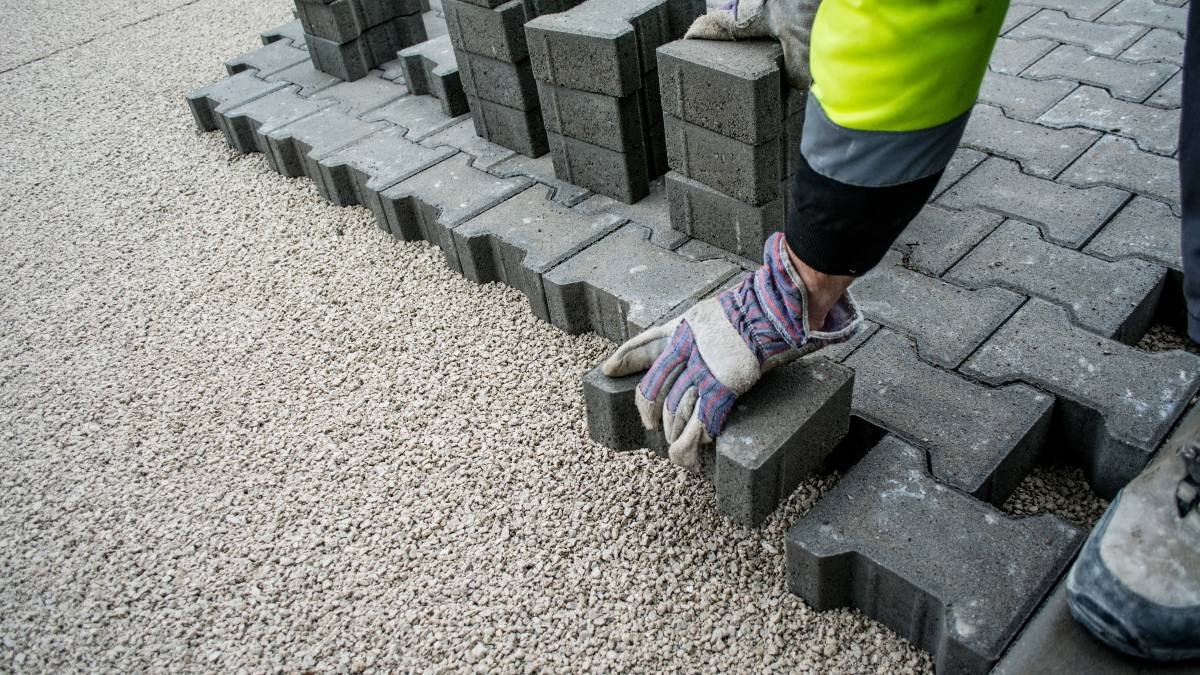
On average, paving in Australia costs between $40 and $100 per m², depending on the material, site preparation, and design complexity. Premium natural stone paving can cost $100 to $200 per m² or more.
In this guide, we’ll cover:
What affects paving costs
Average paving costs in Australia
Costs by paving type
Hidden and additional expenses
Benefits of paving
Tips to save on paving costs
How to find the right paving specialist
What Affects the Cost of Paving?
The type of paver you choose is the single biggest factor in determining cost. Basic concrete pavers are the most affordable and widely available, while brick pavers offer a step up in price and durability. At the premium end, natural stone pavers like granite, travertine, sandstone, and bluestone can cost several times more per square metre due to their quality, unique finishes, and long lifespan.
The size and thickness of the pavers also influence the cost. Larger or thicker pavers are often more expensive to purchase and install because they require more raw material and additional labour for handling. Similarly, specialised or decorative finishes, such as honed or polished surfaces, can increase costs.
Site preparation is another significant cost driver. Proper excavation, levelling, laying of a gravel or sand base, and compacting are essential for durability. If the site is uneven, sloped, or requires drainage installation, costs will rise. In fact, site preparation can sometimes account for as much as half of the total project cost.
The complexity of the design plays a role too. Straight, uniform patterns are faster and cheaper to lay, while curved edges, intricate patterns, or borders increase labour time and therefore costs.
Finally, labour rates and accessibility affect pricing. Homes in metropolitan areas often pay more due to higher demand, while difficult-to-access sites can require more effort and equipment.
In summary, paving costs are influenced by:
Type of paver (concrete, brick, natural stone, porcelain, recycled)
Size and thickness of the pavers
Site preparation (excavation, base, drainage)
Design complexity (patterns, curves, edging)
Labour rates and site accessibility
Average Cost of Paving in Australia
Paving in Australia generally costs between AUD $40 and $100 per square metre, including both materials and labour.
Here’s how those averages break down for different paving types and uses:
Concrete pavers — common and economical — often fall in the $45 to $60 per m² range.
Brick pavers typically cost more, often between $70 and $90 per m².
Natural stone pavers (granite, travertine, bluestone, etc.) tend to be at the higher end — $75 to $100+ per m² — due to their premium look and installation complexity.
For outdoor paving more generally, you might see a wider range: $30 to $100 per m² depending on how much prep, access difficulty, and finishing work is needed.
Keep in mind these are average figures. Your actual cost will depend heavily on factors such as site conditions, design complexity, and accessibility.
Would you like me to now write the rest of that paving guide (costs by type, hidden costs, etc.) based on these averages?
Paving Costs by Type
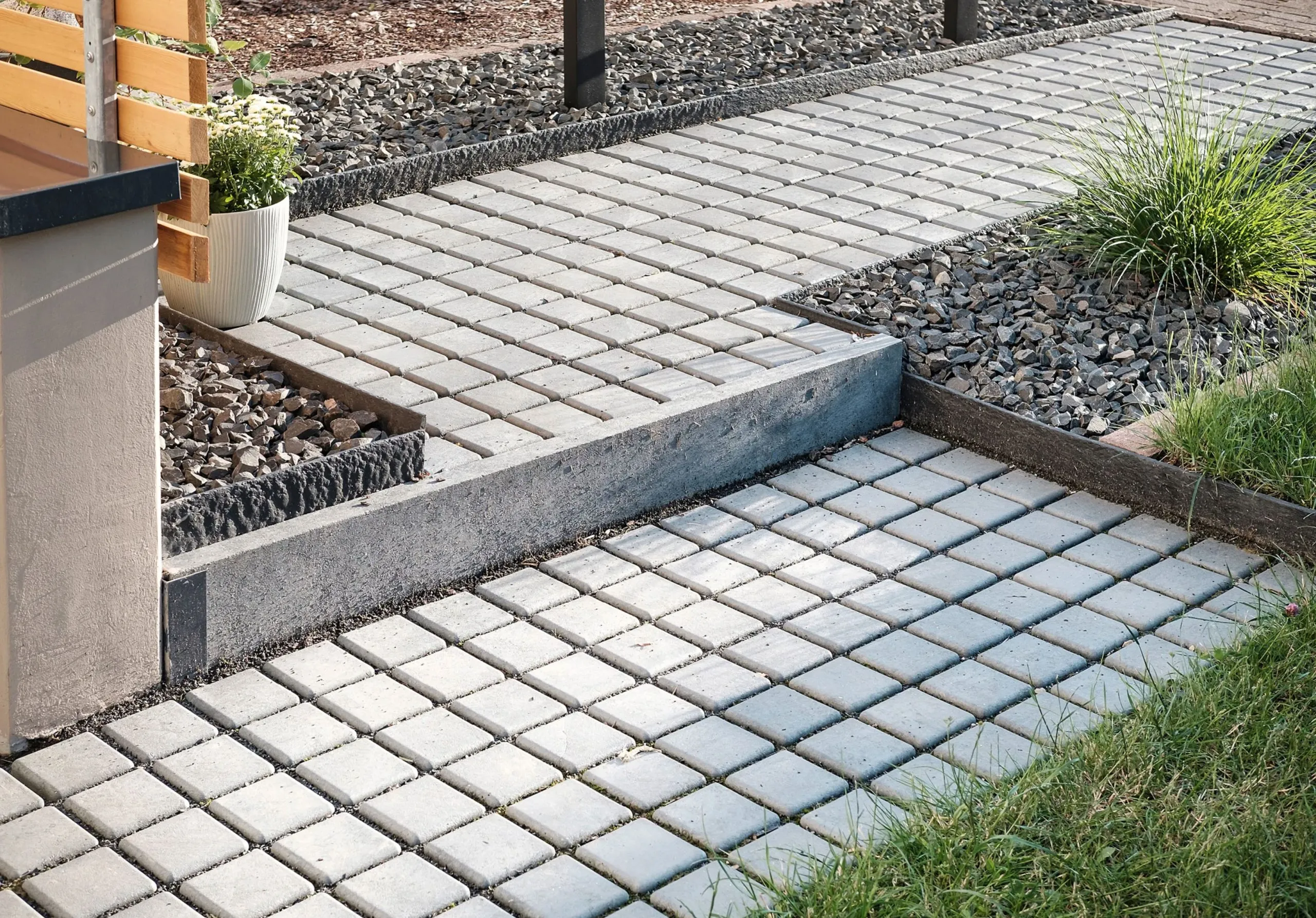
Concrete pavers are the most budget-friendly option, generally costing $40 to $60 per m². They are durable, versatile, and available in a range of colours and finishes, making them suitable for driveways, patios, and paths.
Brick pavers offer a more traditional look and are typically priced at $50 to $100 per m². They’re durable, slip-resistant, and can be laid in different patterns for a decorative finish.
Natural stone pavers, such as sandstone, travertine, granite, or bluestone, are premium options that can range from $80 to $200+ per m² depending on the stone type and finish. These provide a timeless, elegant appearance and are popular for high-end outdoor spaces.
Porcelain pavers are another modern choice, with prices usually around $70 to $120 per m². They’re durable, stain-resistant, and ideal for patios and pool surrounds.
Recycled or eco-friendly pavers are increasingly popular and vary in price depending on material and finish, usually falling between $50 and $90 per m².
Hidden & Additional Costs
Paving projects often involve more than just laying pavers. Excavation and site preparation can add significantly to the cost, especially if soil needs to be removed or the ground requires levelling. A proper base layer of gravel and sand is essential for durability and can represent a large portion of the budget. Edging or borders also add costs, as does installing drainage systems to prevent water pooling. If sealing is required for natural stone or brick, this will be an extra cost, and ongoing resealing may be needed for long-term protection. Waste removal fees for excess soil or old paving can also appear on the invoice.
Benefits of Paving
Paving offers a durable, low-maintenance surface that improves the functionality and appearance of outdoor areas. Unlike gravel or grass, pavers provide a stable, even surface that can handle vehicles, foot traffic, and outdoor furniture. With a wide range of materials and styles available, paving is also highly versatile, allowing homeowners to achieve anything from a simple, practical driveway to a luxury patio finished in natural stone. Paving adds street appeal and property value, making it not just a functional upgrade but also an investment in your home. Many pavers are designed to last decades, especially when installed on a properly prepared base.
How to Save on Paving Costs
If you’re working within a budget, the most effective way to save is by choosing cost-effective materials such as concrete pavers instead of natural stone. Opting for simple, straight patterns rather than intricate designs can reduce labour time. You can also cut costs by preparing the site yourself, such as clearing vegetation or old paving before the tradesperson arrives. Bundling paving with other landscaping tasks, like garden edging or driveway concreting, may also lead to better pricing. Most importantly, always compare multiple quotes from licensed paving specialists to ensure you’re getting a competitive price and clear breakdown of inclusions.
Finding the Right Paving Specialist
Paving may look straightforward, but achieving a strong, long-lasting result requires skill and proper preparation. Poorly installed pavers can shift, sink, or crack within a few years, leading to costly repairs. A professional paving specialist will ensure that the base is properly excavated, levelled, and compacted before laying the pavers, guaranteeing durability and a clean, polished finish.
When hiring a paving contractor, it’s important to ask about their experience with different paver materials—from concrete and brick to natural stone and porcelain. Request a detailed, written quote that includes site preparation, materials, labour, and waste removal, so you know exactly what’s covered. Checking customer reviews or asking for photos of past paving projects can also give you confidence in their workmanship.
Finding the right paver doesn’t have to be a hassle. The Tradie List makes it easy by connecting you with licensed, local paving specialists. By visiting thetradielist.com, you can compare multiple quotes, check qualifications, and hire with confidence, knowing your paving project will be completed to a high standard and within budget.
How Much Does Waterproofing Cost?
Cost Guides How Much Does Waterproofing Cost? $320 to $1,500
How Much Does It Cost To Move Plumbing Fixtures?
Cost Guides How Much Does It Cost To Move Plumbing