
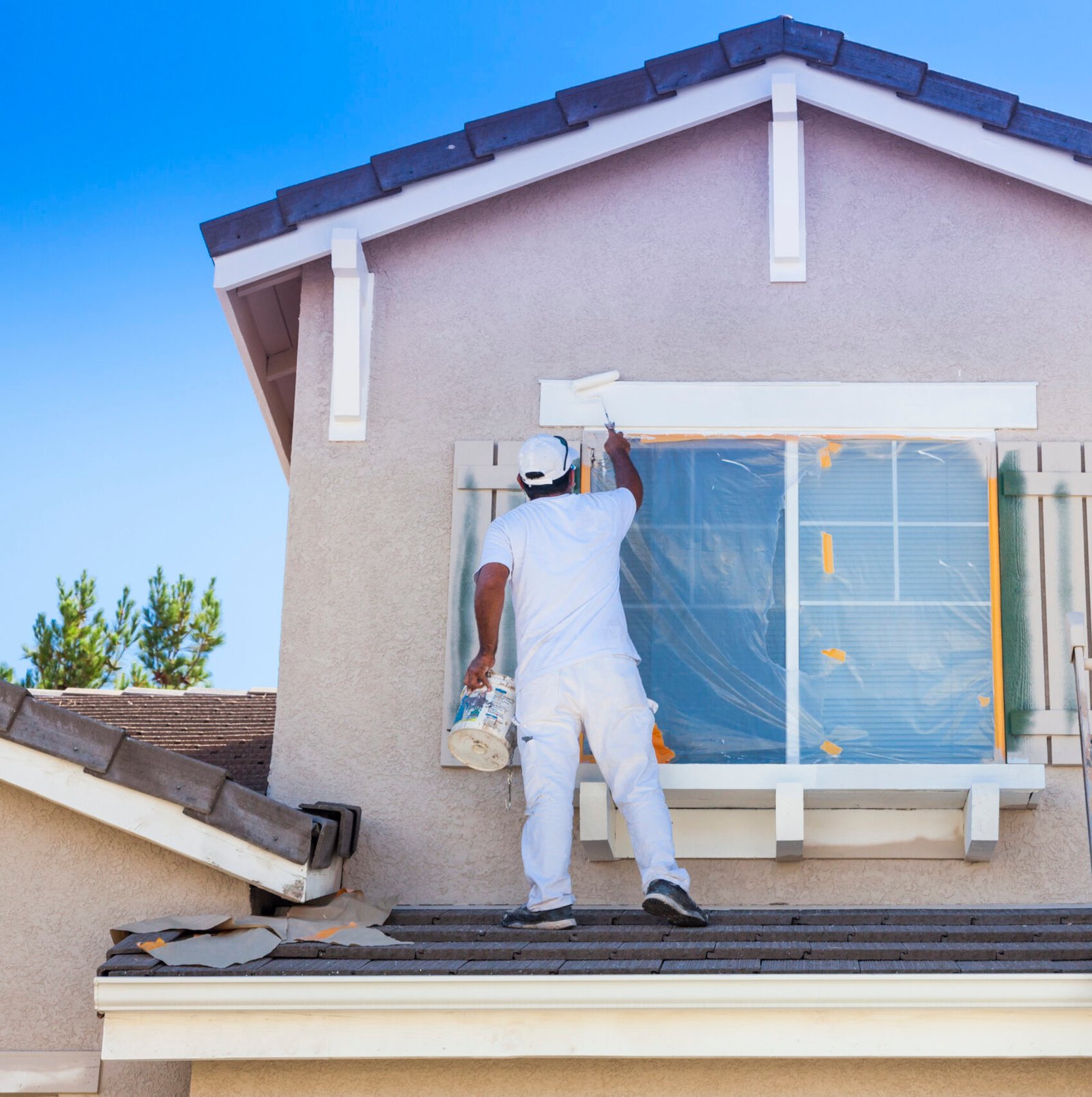
Painting a house is one of the most cost-effective ways to transform your home, improve its value, and protect it from wear and tear. Whether you’re refreshing a few rooms, giving the entire interior a new look, or repainting the exterior for better street appeal, a fresh coat of paint makes a big impact. For Australian homeowners, painting is not just about colour—it’s also about durability, maintenance, and protecting your property from the elements. Interior painting can brighten dark spaces, make rooms feel larger, and give your home a modern touch. Exterior painting, on the other hand, provides essential protection against sun, wind, and rain while adding visual appeal to your property.
The total cost of painting a house depends on a number of factors: the size of your home, whether it’s single or double storey, the condition of the surfaces, the quality of paint chosen, and whether you hire a professional or do it yourself. While DIY painting may save on labour, professional painters bring skill, equipment, and efficiency to ensure a high-quality finish that lasts. Understanding the costs upfront will help you plan your budget and choose the right option for your project.
How much does it cost to paint a house?
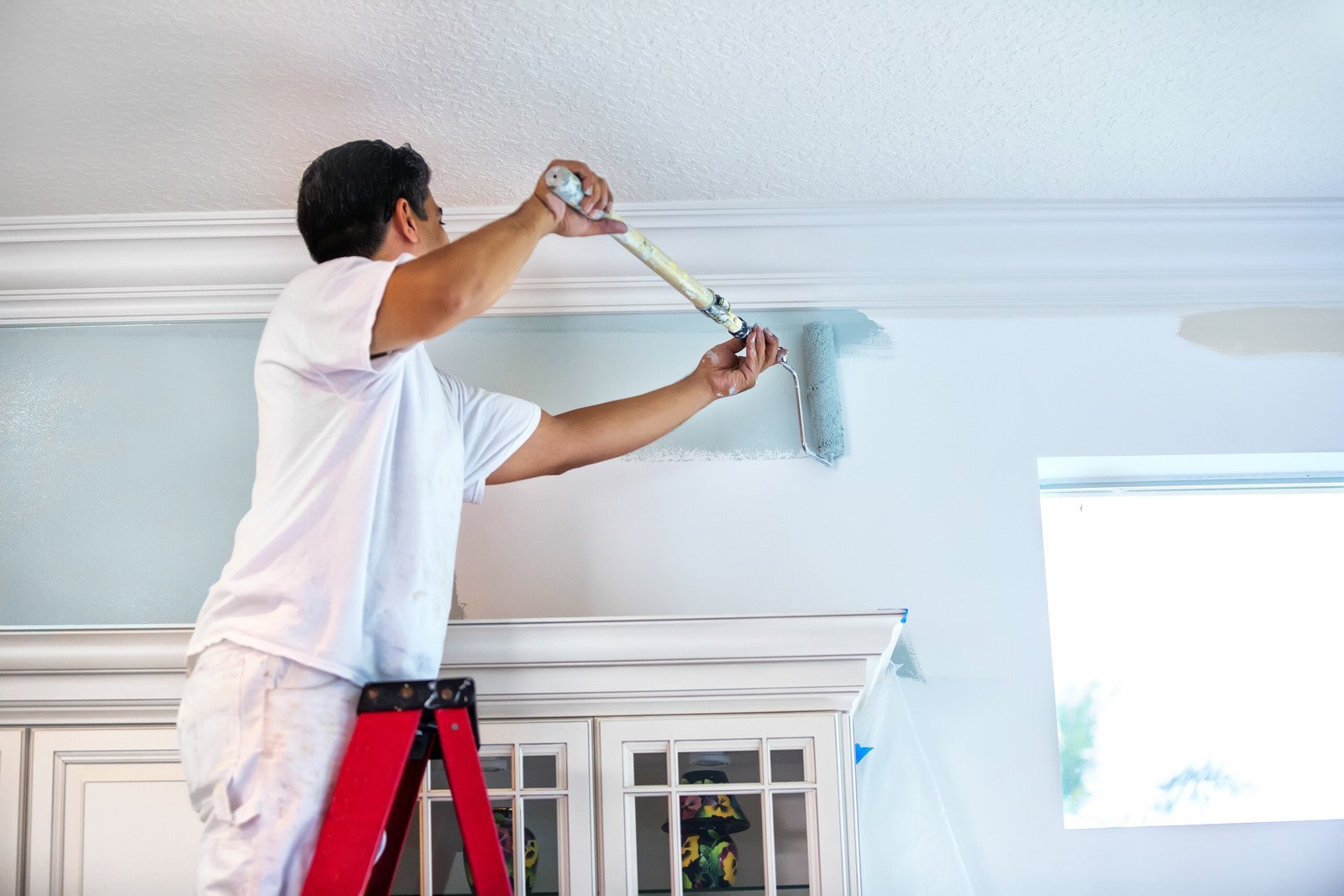
On average, house painting in Australia costs between $12 and $60 per square metre, depending on whether it’s interior or exterior work, the type of paint, and the level of preparation required. Full house painting projects typically range from $3,000 to $15,000, with larger homes and detailed finishes sitting at the higher end.
In this guide, we’ll cover:
What affects the cost of house painting
Average painting costs in Australia
Price breakdowns by painting type
Hidden and additional costs
The benefits of painting your home
How to save on painting costs
How to find the right painter for your project
What Affects the Cost of House Painting?
The size of your home is the most significant factor influencing painting costs. Larger homes require more paint, preparation, and labour hours, so the total project cost will naturally be higher. A single-storey home is generally more affordable to paint than a double-storey property, as additional equipment such as ladders or scaffolding may be needed for upper levels.
The type of painting work also matters. Interior painting usually costs less per square metre than exterior painting because it involves fewer access challenges. Exterior work often requires weather-resistant paints, scaffolding, and extra preparation to deal with exposure to the elements. Ceilings, trims, skirting boards, doors and windows also add to the cost due to the detailed work involved.
Another major factor is the quality and type of paint. Standard paints are the cheapest, but higher-end or specialty paints (such as low-VOC, anti-mould, or weatherproof formulas) provide better coverage and durability. While they cost more upfront, premium paints can reduce the number of coats required and last longer, saving money over time.
Preparation work is another cost driver. Surfaces may need patching, sanding, priming, or undercoating before painting begins. Homes with damaged plaster, mould, or uneven walls will require more prep, which increases labour and materials.
Lastly, labour rates and location affect costs. Painters in metropolitan areas often charge more than those in regional areas. Complex jobs or homes with restricted access may also require additional time and resources.
In summary, painting costs are influenced by:
Size of the home (floor area, number of storeys)
Interior vs exterior painting
Paint type and quality
Preparation and repair work required
Labour rates and location
Additional details (ceilings, trims, doors, windows)
Average Cost of Painting a House in Australia
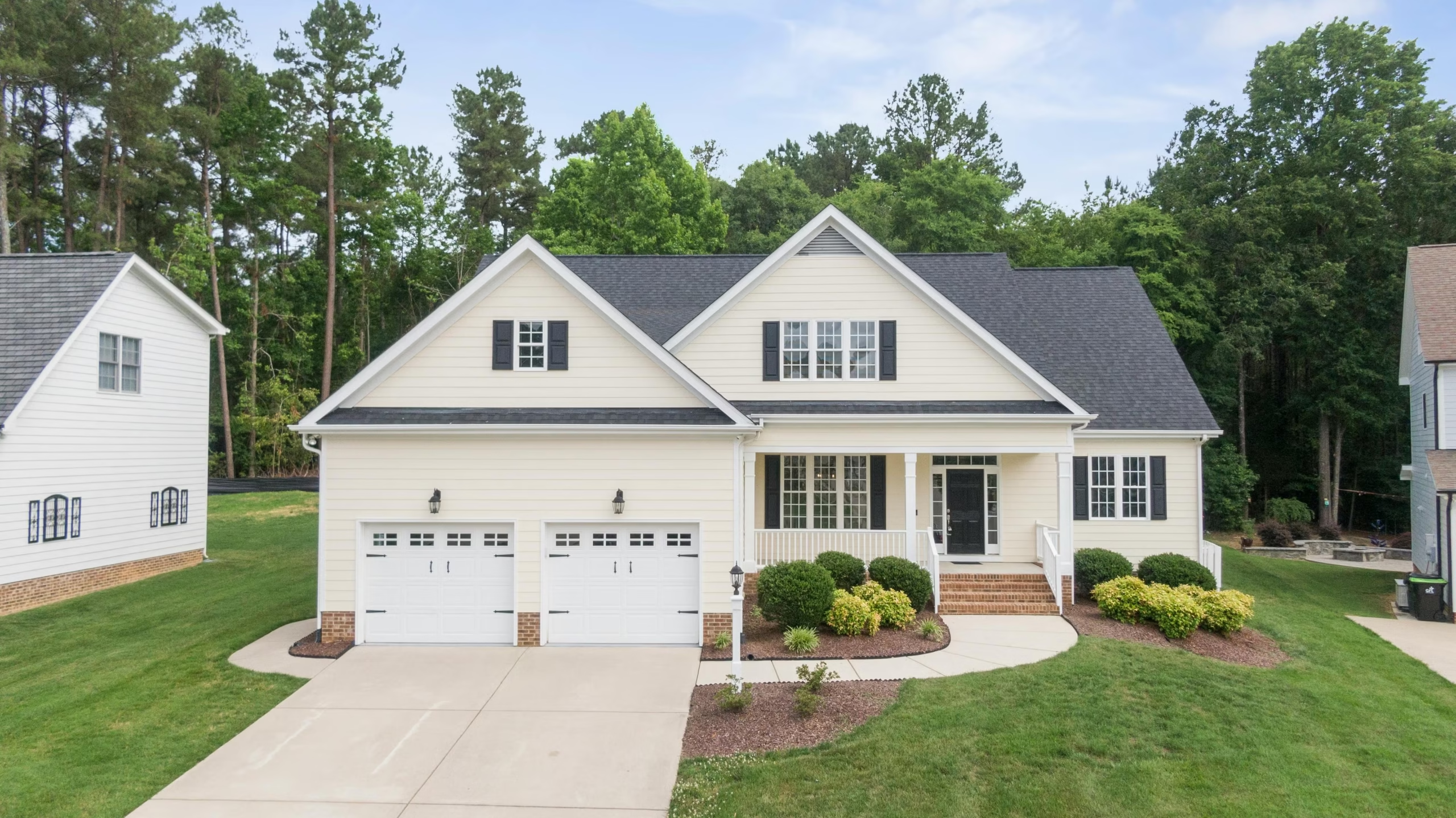
Painting costs depend heavily on whether you’re doing interior or exterior work, the size and height of your home, the condition of the surfaces, and the quality of paint. Based on recent averages:
Many painters quote rates between $60 and $100 per square metre, covering both materials and labour for standard interior jobs.
- For full-house interior painting, including doors, trims and ceilings, typical budgets range from $6,000 up to $40,000, depending on home size and complexity.
- Exterior painting tends to be more expensive due to prep work, weatherproofing and access issues. Exterior costs often range from $15 to $45+ per m², with full external repainting sometimes reaching $4,000 to $28,000 for average homes.
- For simpler homes or smaller units, interior repainting jobs might fall in the $2,000 to $4,000 range.
These figures are indicative. Your actual cost will depend on your location, paint type, access (single vs double storey), surface condition and how much prep or repair is needed.
House Painting Costs by Type
Interior painting is usually more affordable than exterior work. For a standard room, costs can range from $400 to $1,500 depending on size, number of coats, and whether ceilings, trims and doors are included. Full interior house painting generally falls between $3,000 and $15,000, depending on the number of rooms and the overall floor area.
Exterior painting is more complex due to access requirements, weatherproof paints and extra preparation. A small single-storey home may cost around $4,000 to $10,000 to repaint, while double-storey homes or larger properties can reach $15,000 to $25,000 or more.
Ceilings are often quoted separately, with costs typically between $5 and $10 per m² depending on height and access. Doors, trims and windows may be charged per item or per metre, with doors costing $100–$300 each and window frames $30–$60 each.
Specialty finishes like textured coatings, feature walls, or decorative techniques are priced higher, often starting from $40 per m², as they require more labour and precision.
Hidden & Additional Costs
Painting quotes don’t always cover everything. Preparation work such as plaster repairs, sanding, filling cracks or applying primer can add significantly to the final cost. If scaffolding or special equipment is required for high exterior walls, this may also be charged separately. Other hidden expenses may include removing old wallpaper, repairing water damage, or addressing mould before painting begins. Some painters may also charge travel fees or minimum call-out charges, especially for small jobs.
Benefits of Painting a House
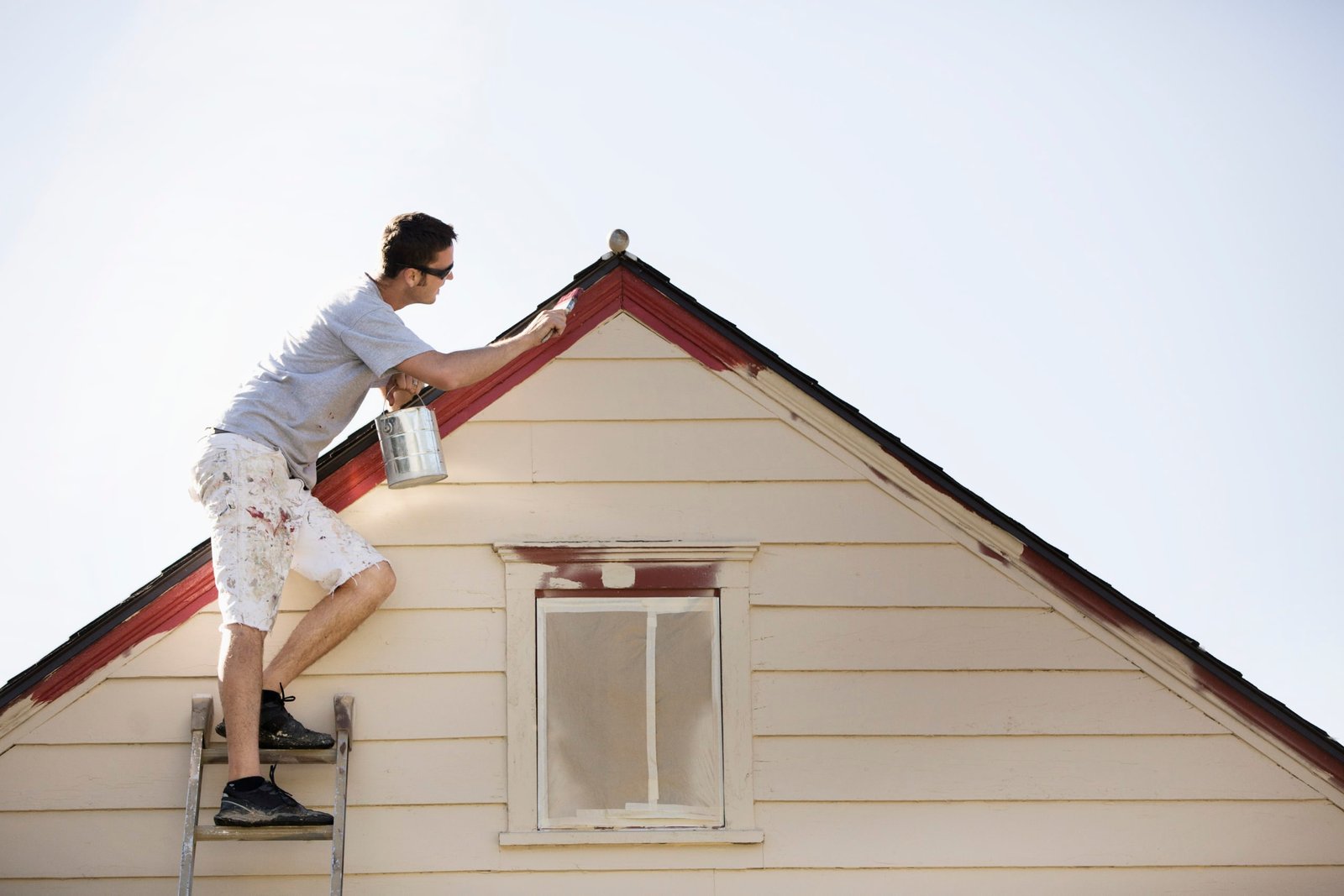
Painting is one of the fastest, most affordable ways to refresh and modernise a home. It improves street appeal and property value, making it especially worthwhile if you’re planning to sell. Fresh paint also protects surfaces from weather, moisture and wear, extending the life of your walls and exterior cladding. Inside, new paint can completely transform a space, making it feel larger, brighter and more welcoming. Beyond looks, modern paints offer practical benefits such as low-VOC formulas for healthier indoor air, anti-mould coatings for wet areas, and high-durability finishes that withstand daily wear.
How to Save on House Painting
There are several ways to reduce painting costs without cutting corners. One option is to paint multiple rooms or the whole house at once, as painters often offer better rates for larger jobs. You can also save by handling basic preparation work yourself, such as cleaning walls, sanding lightly, or moving furniture before the painter arrives. Choosing mid-range paints with good coverage is another smart strategy, as they may require fewer coats than cheaper paints, saving both time and labour costs. Finally, always get at least three detailed quotes from licensed painters to ensure you’re getting a fair price and to compare inclusions like prep work, paint quality and clean-up.
Finding the Right Painter
A high-quality paint job is about more than just colour — it’s about preparation, precision and long-lasting results. While DIY painting may seem like a way to save money, professional painters bring expertise, equipment and efficiency that ensures a flawless finish. A skilled painter will take care of all the details: filling cracks, sanding, applying primers, using the right paint type for each surface, and ensuring even, streak-free coverage. This not only improves the look of your home but also protects your walls and exterior from damage.
When hiring a painter, ask about their experience with interior and exterior work, the brands of paint they use, and whether they provide a written guarantee on their work. A detailed quote should outline preparation, labour, paint supply and clean-up so you know exactly what’s included. Checking reviews or asking for references from past projects can also give you confidence in their reliability and workmanship.
Finding the right professional doesn’t have to be difficult. The Tradie List connects you with licensed, local painters who are experienced in all aspects of residential painting. By visiting thetradielist.com, you can compare multiple quotes, review qualifications and hire with confidence, knowing your painting project will be completed to the highest standard.
How Much Does Waterproofing Cost?
Cost Guides How Much Does Waterproofing Cost? $320 to $1,500
How Much Does It Cost To Move Plumbing Fixtures?
Cost Guides How Much Does It Cost To Move Plumbing