
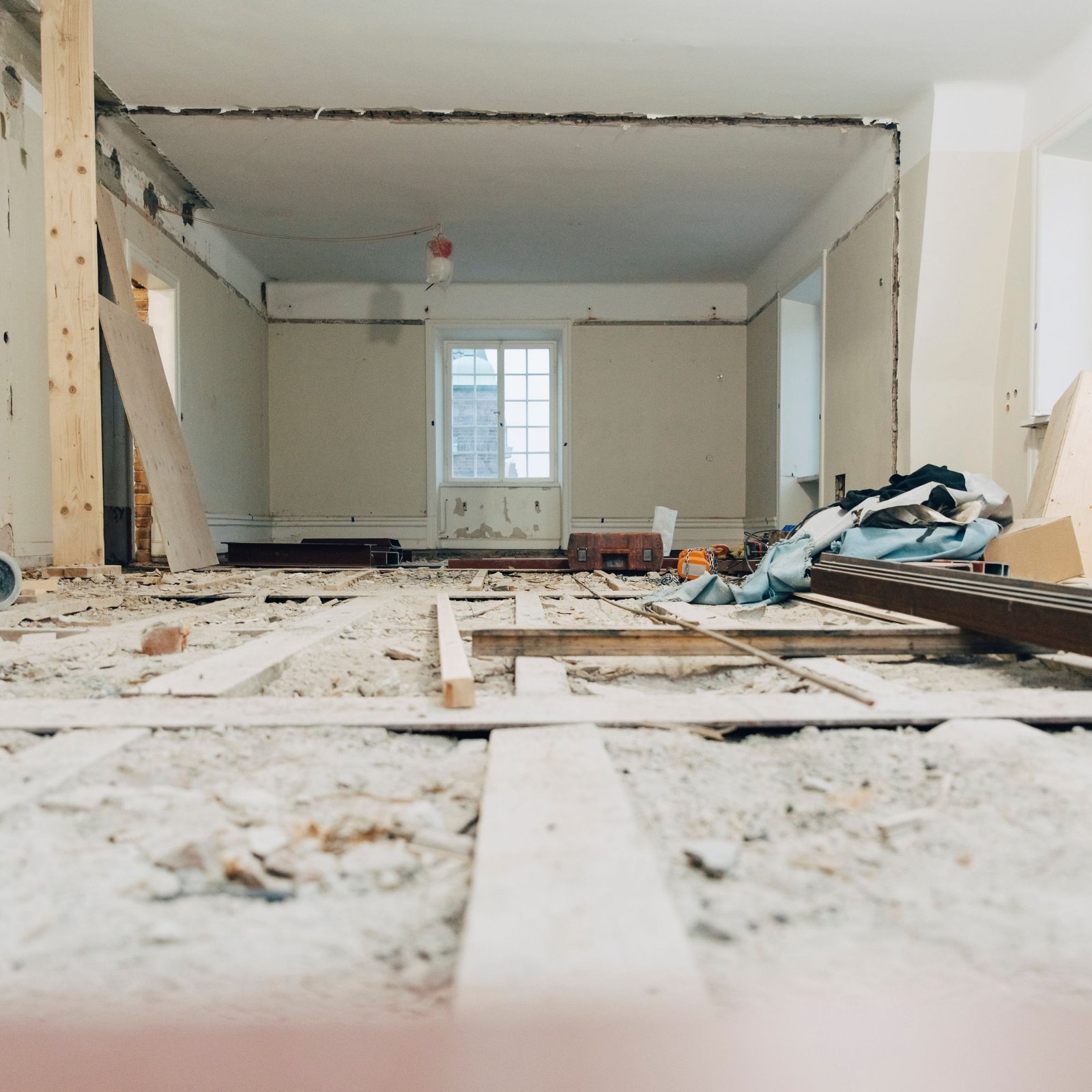
Removing an internal wall is one of the most impactful renovation projects you can take on in your home. Whether you’re aiming to create an open-plan living space, improve natural light, or modernise an older property, wall removal can dramatically change the look and feel of your interior. It’s a popular choice for Australian homeowners who want to adapt their homes for more space and better functionality without the expense of moving to a new property. However, the cost of removing an internal wall can vary greatly, depending on whether the wall is load-bearing or non-load-bearing, what it’s made of, and how much finishing work is required after the demolition.
A non-load-bearing wall is relatively straightforward and affordable to remove, while a load-bearing wall is more complex, requiring structural support such as beams or columns to maintain the integrity of the home. Other factors, like electrical wiring, plumbing or ductwork hidden inside the wall, can also add to the expense. Understanding these costs upfront will help you budget accurately, plan effectively, and avoid unexpected surprises during your renovation.
How much does it cost to remove an internal wall?
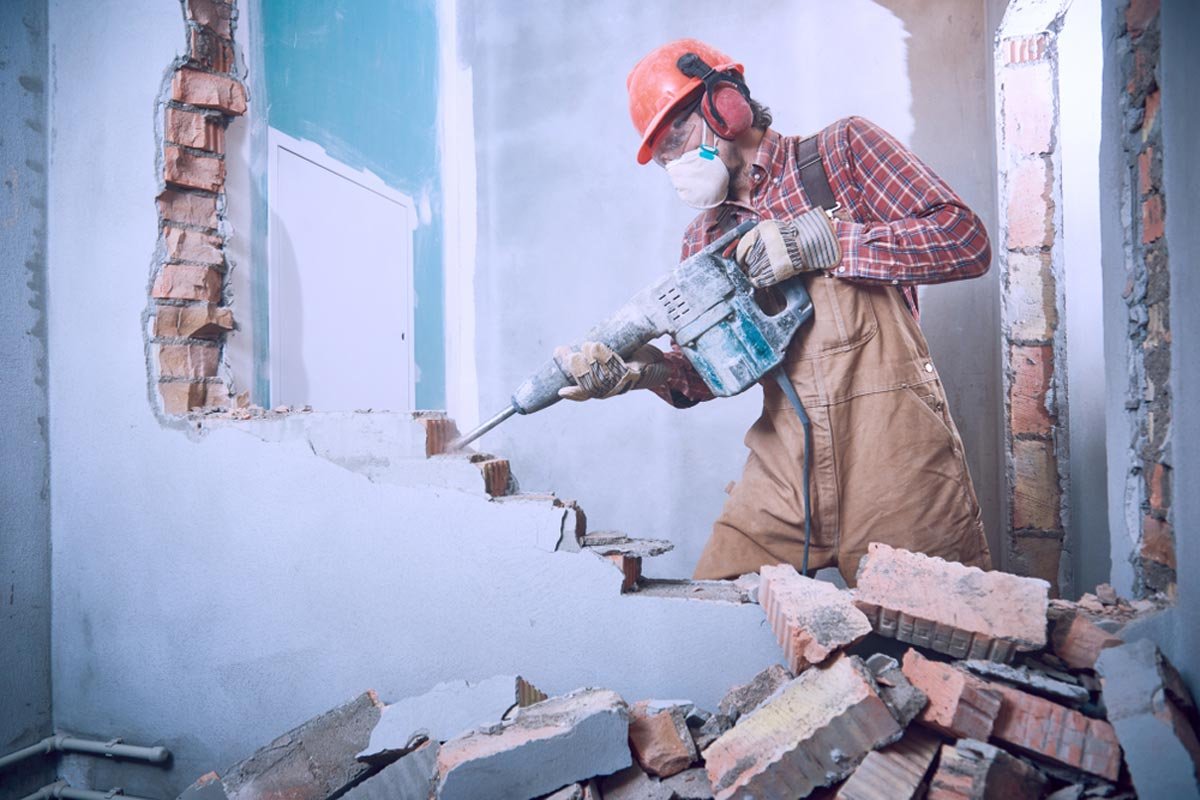
On average, the cost to remove an internal wall in Australia ranges from $1,000 to $5,000 or more, depending on size, structure, and complexity. Non-load-bearing walls tend to be at the lower end, while load-bearing wall removal involving structural supports, permits and finishing will sit at the higher end.
In this guide, we’ll cover:
What affects the cost of wall removal
Average costs across Australia
Price breakdowns by wall type
Hidden and additional costs
Benefits of removing a wall
Tips to save money
How to find the right builder for safe wall removal
What Affects the Cost of Removing an Internal Wall?
The single biggest factor that determines the cost of wall removal is whether the wall is load-bearing or non-load-bearing. Non-load-bearing walls are simply partitions, meaning they don’t support the structure above them. These are far easier and cheaper to remove. Load-bearing walls, on the other hand, play a structural role in supporting your ceiling, floor, or roof. Removing them requires the installation of new beams or supports, often involving a structural engineer, which makes the process significantly more expensive.
The size and material of the wall also matter. A small plasterboard partition will be cheaper to demolish than a large brick, masonry, or reinforced concrete wall, which takes more time and specialised tools to remove. The thicker and heavier the wall, the higher the labour and disposal costs.
Another factor is whether the wall contains services such as electrical wiring, plumbing, or gas pipes. Relocating these utilities can be complex and may require additional licensed trades, increasing both cost and project time.
Lastly, you’ll need to consider finishing work after the wall is removed. This might include replastering, painting, patching ceilings, or replacing flooring where the wall once stood. Labour rates and your location can also influence the price, with metropolitan areas generally more expensive than regional locations.
In summary, costs are affected by:
Whether the wall is load-bearing or non-load-bearing
Size, thickness, and material of the wall
Presence of electrical, plumbing or gas services
Required finishing work (plastering, painting, flooring)
Labour rates and location
Average Cost of Internal Wall Removal in Australia
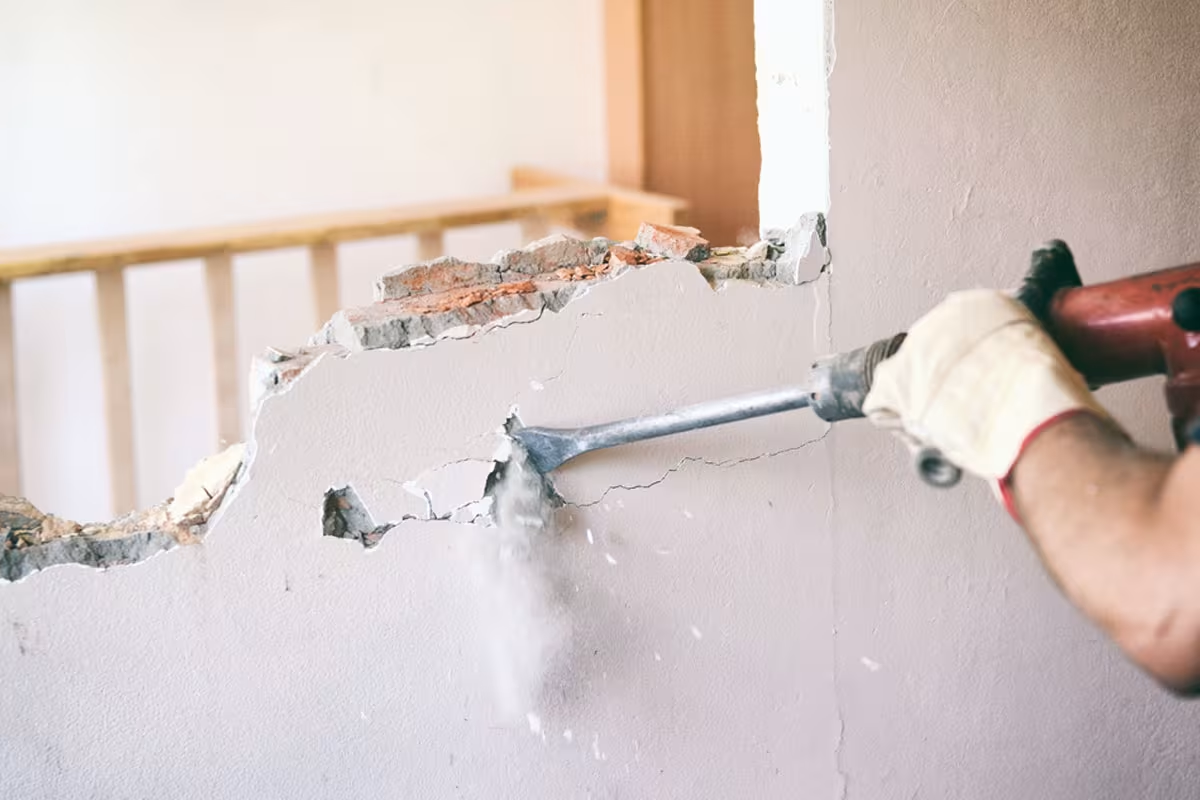
Wall removal costs vary widely depending on wall type, structure, materials, finishing work, and location. Here’s a ballpark guide based on typical scenarios in Australia:
For non-load-bearing walls (e.g. stud/plasterboard partitions), quotes often start from $300 to $1,500 for smaller walls, rising to $1,500 to $3,000+ for standard full-length walls, depending on materials, demolition effort, and waste removal.
For load-bearing walls, where support must be maintained or replaced (with beams, lintels or structural framing), costs commonly range from $3,000 up to $10,000 or more, depending on span, complexity and additional structural work.
- Some providers use square-metre rates: for timber frame walls, quoted rates are around $1,350 per m², and for brick veneer walls, rates around $1,500 per m².
- For masonry or concrete walls, removal is much more intensive and expensive. Some services estimate up to $300 per m² or more for heavy-duty walls.
These figures typically include demolition and waste removal, but often exclude costs related to structural engineering, permits, finishing work (plastering, painting, flooring), and rerouting plumbing or electrical services.
Costs by Wall Type
Non-load-bearing plasterboard or stud walls are the cheapest to remove, usually costing between $300 and $3,000 depending on their size and finish. These walls are essentially partitions, so removal doesn’t affect the structure of the home.
Brick or masonry walls are more labour-intensive to remove. Costs often range from $1,500 to $5,000+, depending on thickness, size, and disposal requirements. Because brickwork is heavier, you’ll also pay more for rubbish removal.
Load-bearing timber or steel-framed walls are more expensive, as they require structural support beams or columns to maintain the integrity of the home. Expect to pay anywhere from $3,000 to $10,000 or more depending on span and complexity.
Reinforced concrete walls are the most expensive to remove due to the specialised tools and expertise required. Costs can exceed $10,000 for large sections, especially if new supports or finishing are extensive.
Hidden & Additional Costs
When budgeting, remember that the wall itself is only part of the cost. Structural engineer reports and council approvals may be required for load-bearing wall removal. If the wall contains electrical wiring, plumbing or gas pipes, licensed trades will need to reroute these services. Finishing costs such as replastering, painting, ceiling patching, and replacing flooring can also add significantly to the total. Don’t forget rubbish removal and site clean-up, which is often charged separately.
Benefits of Removing an Internal Wall
Removing an internal wall can dramatically improve your home’s layout, light and functionality. By opening up rooms, you can create a modern open-plan living area that feels more spacious and welcoming. It can also improve natural light and airflow, particularly if you’re removing walls between living, dining and kitchen areas. For older homes, wall removal is a popular way to modernise and bring interiors in line with today’s lifestyle preferences. Beyond comfort, it can also add value to your property, as open layouts are highly sought after in the Australian housing market.
How to Save on Internal Wall Removal
To keep costs down, consider removing non-load-bearing walls rather than structural ones where possible. If you’re planning other renovations, try to bundle the work together, as trades may offer better rates for combined projects. Preparing the space by clearing furniture and removing fixtures before work starts can also reduce labour time. Most importantly, always compare multiple quotes from licensed builders and check what is included. A detailed written quote will help you avoid hidden costs and ensure you’re comparing like-for-like.
Finding the Right Builder for Wall Removal
Removing an internal wall, particularly a load-bearing one, is not a simple DIY task. It requires the expertise of a licensed builder who understands structural integrity, building codes and safety regulations. A professional will not only ensure the wall is safely removed but also organise any necessary supports, beams and permits. In many cases, a structural engineer may be needed to assess the wall before removal and recommend the right reinforcements.
When choosing a builder, always ask if they have experience in wall removal projects, especially structural ones. Request a detailed written quote that includes demolition, rubbish removal, structural supports, finishing work and any permit costs. It’s also wise to check that the builder is fully insured, licensed, and able to coordinate with other trades if plumbing, electrical or gas lines need relocating. Reviewing past projects or testimonials can give you confidence in their ability to handle complex jobs.
Finding the right professional doesn’t need to be time-consuming. The Tradie List makes it easy to connect with licensed, local builders who specialise in internal wall removal. By visiting thetradielist.com, you can compare multiple quotes, check qualifications, and hire with confidence knowing your project will be carried out safely and to a high standard.

How Much Does Waterproofing Cost?
Cost Guides How Much Does Waterproofing Cost? $320 to $1,500


How Much Does It Cost To Move Plumbing Fixtures?
Cost Guides How Much Does It Cost To Move Plumbing