
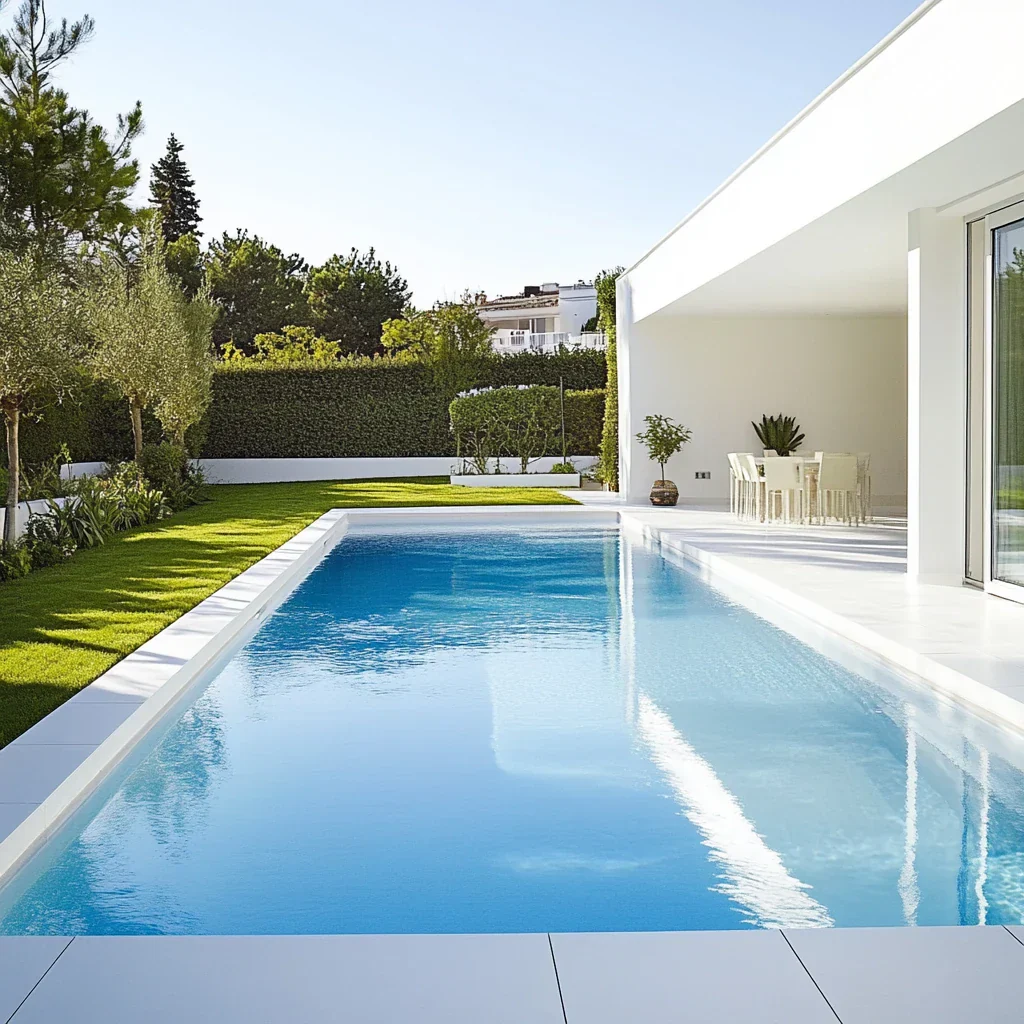
Painting a swimming pool is one of the most effective ways to give it a fresh, clean look while protecting the surface from cracks, stains, and algae growth. Whether you’re restoring an old concrete pool or giving your fibreglass pool a new finish, a professional paint job can greatly improve appearance and lifespan. But how much does it actually cost to paint a pool in Australia?
The total price depends on factors such as the pool size, surface type, paint material, and preparation work required. This guide breaks down the average costs, what’s included in the process, and how to choose the right paint for lasting results.
Average Cost to Paint a Pool in Australia
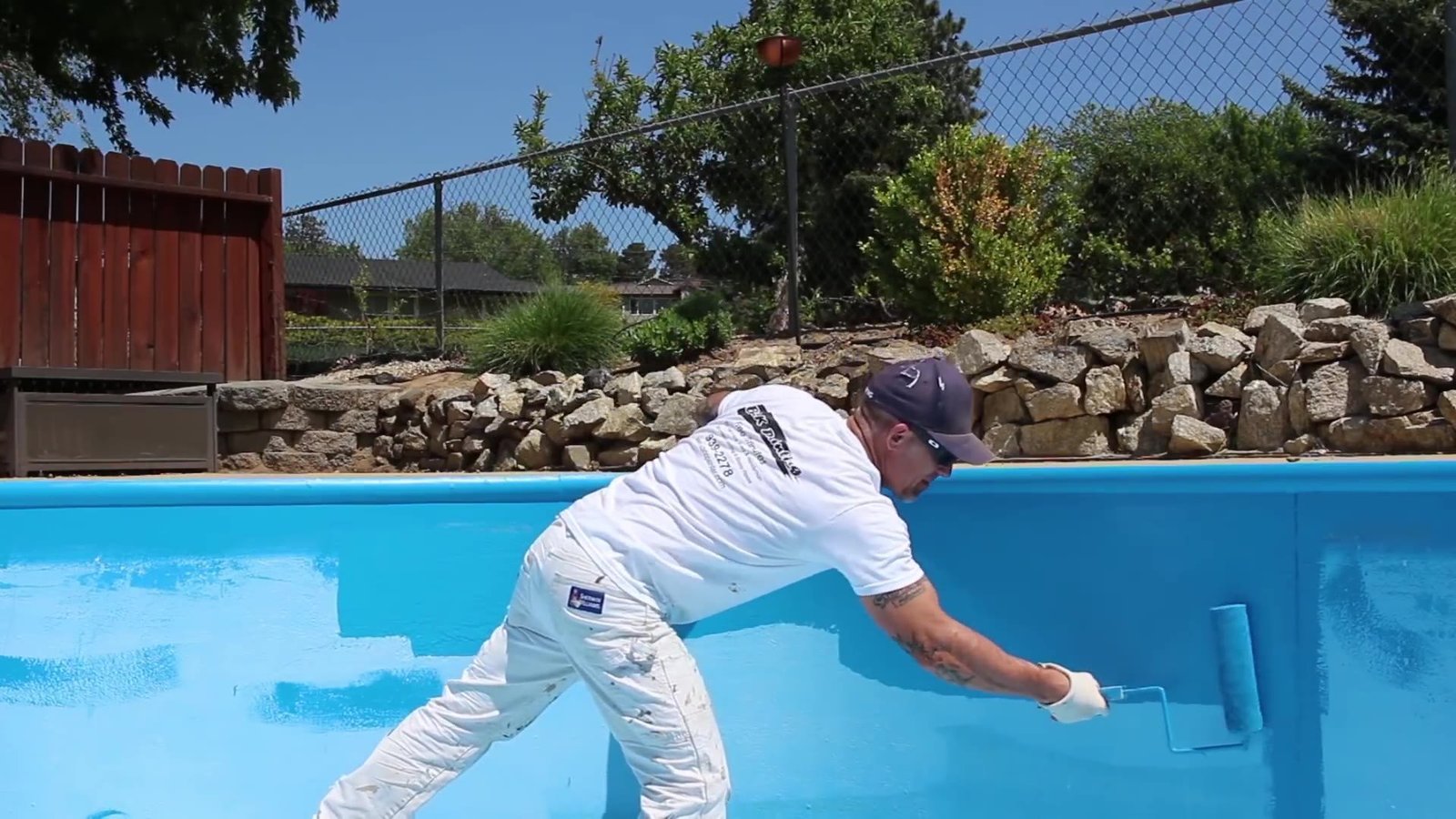
On average, the cost to paint a pool in Australia ranges between $1,500 and $5,000 for standard residential pools. Smaller plunge pools may cost less, while large or heavily worn concrete pools can exceed that range due to additional preparation and coating requirements.
Here’s a general breakdown:
Small pool (up to 20 m²): $1,500 – $2,500
Medium pool (30–40 m²): $2,500 – $3,800
Large pool (50 m²+): $4,000 – $5,500+
The final cost depends on surface condition, type of paint, number of coats, and whether the job is DIY or professionally completed.
Common Types of Pool Paint and Their Costs
The type of paint you choose has a big impact on cost, durability, and finish. The three most common options are epoxy, chlorinated rubber, and acrylic paint.
Epoxy Pool Paint ($100 – $150 per 4L): The most durable option, lasting up to 7–10 years. Ideal for concrete or fibreglass pools but requires thorough surface preparation and curing time.
Chlorinated Rubber Paint ($80 – $120 per 4L): Easier to apply and dries faster, lasting 3–5 years. Best for previously painted pools with the same type of coating.
Acrylic Pool Paint ($60 – $100 per 4L): Affordable and quick-drying, suitable for DIY jobs or temporary finishes. Lifespan of 2–4 years.
Epoxy is preferred for long-term protection, especially for older concrete pools exposed to heavy use or sunlight.
Factors Affecting the Cost
Several factors influence the total cost of pool painting. Surface type and condition are major considerations — rough, cracked, or flaking surfaces require sanding, acid washing, and repairs before painting. Pool size and shape also affect the amount of paint and labour needed, while paint type determines both cost and durability.
Other cost drivers include:
Surface preparation: cleaning, acid etching, and patch repairs
Number of coats: typically two to three for best coverage
Accessibility: hard-to-reach pools or limited drainage areas increase labour
Professional vs DIY labour rates: hiring a painter adds cost but ensures an even, long-lasting finish
Proper preparation is key — skipping steps can lead to peeling or early fading.
DIY vs Professional Pool Painting
Painting your pool yourself can save on labour costs, but it requires time, equipment, and experience to achieve a professional result. DIY pool painting typically costs between $500 and $1,500 for materials, depending on the paint type and pool size. However, mistakes in preparation or application can cause bubbling, peeling, or uneven coverage.
Professional painters usually charge between $35 and $60 per square metre, including cleaning, repairs, and coatings. Hiring a specialist ensures proper surface treatment, correct curing, and a finish that lasts for years. While it’s more expensive upfront, professional painting offers better value and longevity in the long run.
The Pool Painting Process
Painting a pool involves several key steps to ensure proper adhesion and a durable, smooth finish. It typically begins with draining the pool completely and allowing the surface to dry. The painter then performs thorough cleaning and acid washing to remove dirt, algae, and residue. For older or damaged pools, cracks and rough areas are patched before painting begins.
Next, the surface is sanded or etched to create a better bond for the paint. Once the preparation is done, two or three coats of paint are applied using rollers or spray equipment. Each layer must dry completely before the next is added. Finally, the pool is left to cure for 5–7 days before refilling with water. Proper curing ensures the paint hardens fully and resists peeling or fading over time.
Maintenance and Lifespan
A well-painted pool can last anywhere from 3 to 10 years, depending on the type of paint, surface preparation, and maintenance routine. Epoxy coatings typically last the longest, offering a smooth, durable finish that resists UV rays and chemical wear.
To maintain your pool’s appearance, keep the pH levels balanced and avoid harsh or high-chlorine cleaning agents. Regular brushing and cleaning help prevent algae buildup and staining. If you notice chalky residue or fading, it may be time to schedule a repaint or touch-up. Consistent maintenance extends the lifespan of your pool coating and reduces long-term repair costs.
Additional Costs to Consider
While the base cost covers cleaning and painting, there are additional expenses that can affect your total project price. These include:
Pool draining and refilling: $150 – $400
Crack or surface repairs: $200 – $800
Acid washing and sanding: $300 – $700
Primer or sealer application: $100 – $300
Professional inspection and testing: $150 – $300
If your pool hasn’t been painted in several years, or if there’s visible damage, surface restoration may be required before painting can begin. It’s best to have a professional inspect the pool first to provide an accurate quote and avoid surprises later.
How to Save on Pool Painting Costs
There are several ways to keep costs down without compromising on quality. For smaller pools, you can save on labour by doing some preparation yourself, such as draining, cleaning, and sanding the surface before the painter arrives. Choosing a high-quality epoxy paint may cost more upfront but lasts years longer, saving money on frequent repainting.
If your pool doesn’t need extensive repairs, consider scheduling your painting during the off-season (autumn or early spring) when contractors may offer discounted rates. Always get multiple quotes from professional pool painters and confirm what’s included in each estimate — preparation, coating type, and curing time all impact final pricing.
Final Thoughts
Painting your pool is a cost-effective way to refresh its look and extend its life without a full resurfacing. While DIY painting may suit smaller projects, professional painters deliver smoother finishes, longer durability, and fewer future problems. The cost of pool painting depends on pool size, surface condition, and paint type, but investing in proper preparation and high-quality materials pays off over time.
If you’re ready to rejuvenate your pool, The Tradie List can connect you with experienced pool painters near you. Compare quotes, view reviews, and find trusted professionals who can transform your pool with a flawless finish — just in time for swimming season.
How Much Does Waterproofing Cost?
Cost Guides How Much Does Waterproofing Cost? $320 to $1,500
How Much Does It Cost To Move Plumbing Fixtures?
Cost Guides How Much Does It Cost To Move Plumbing