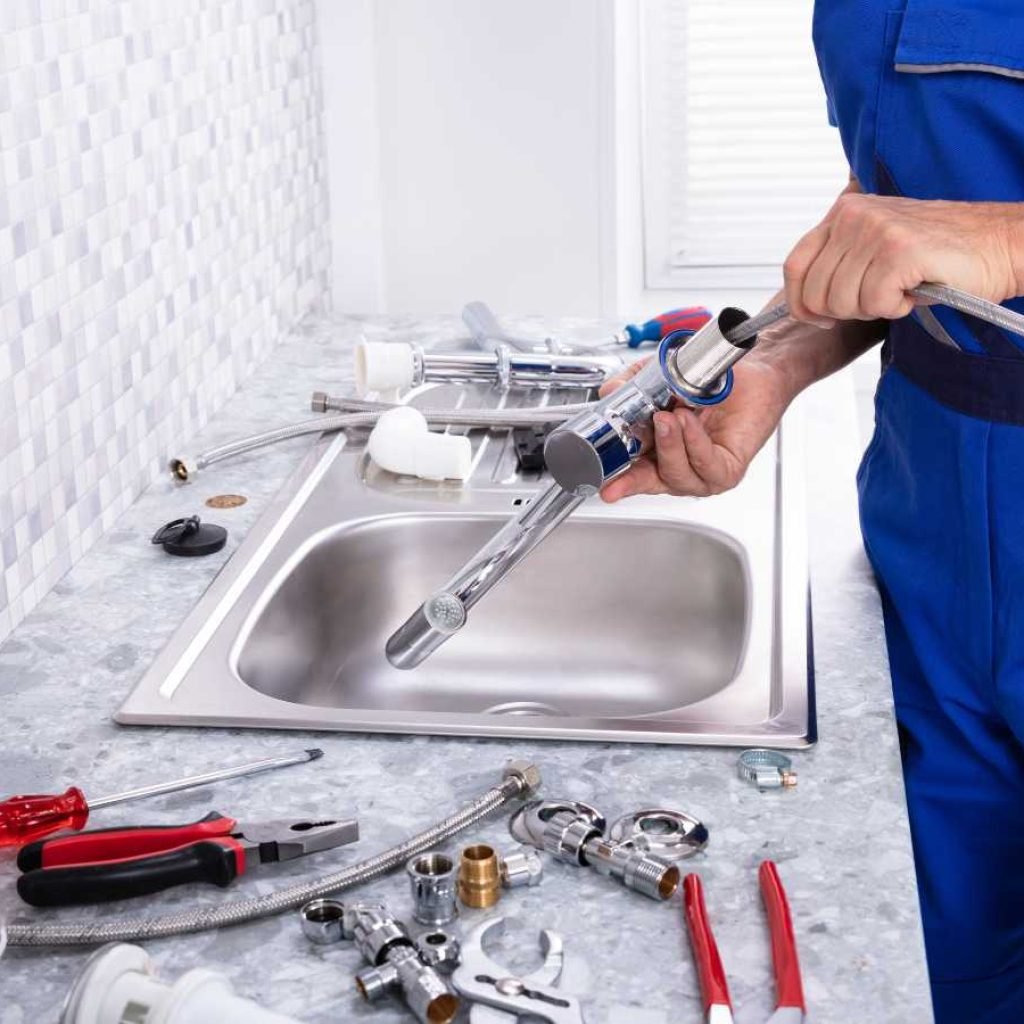
Whether you’re renovating a bathroom, upgrading your kitchen, or redesigning a laundry space, moving plumbing fixtures is often a key part of the process. Relocating sinks, toilets, showers, or taps may seem straightforward, but it involves more than just repositioning fittings — it requires adjusting the underlying pipework, drainage, and sometimes even wall or floor structures.
The cost to move plumbing fixtures depends on how far the fixtures are being moved, the accessibility of existing plumbing, and the type of fixture. This guide outlines average prices across Australia, the factors that affect costs, and what to expect when hiring a licensed plumber for your renovation project.
Average Cost to Move Plumbing Fixtures in Australia
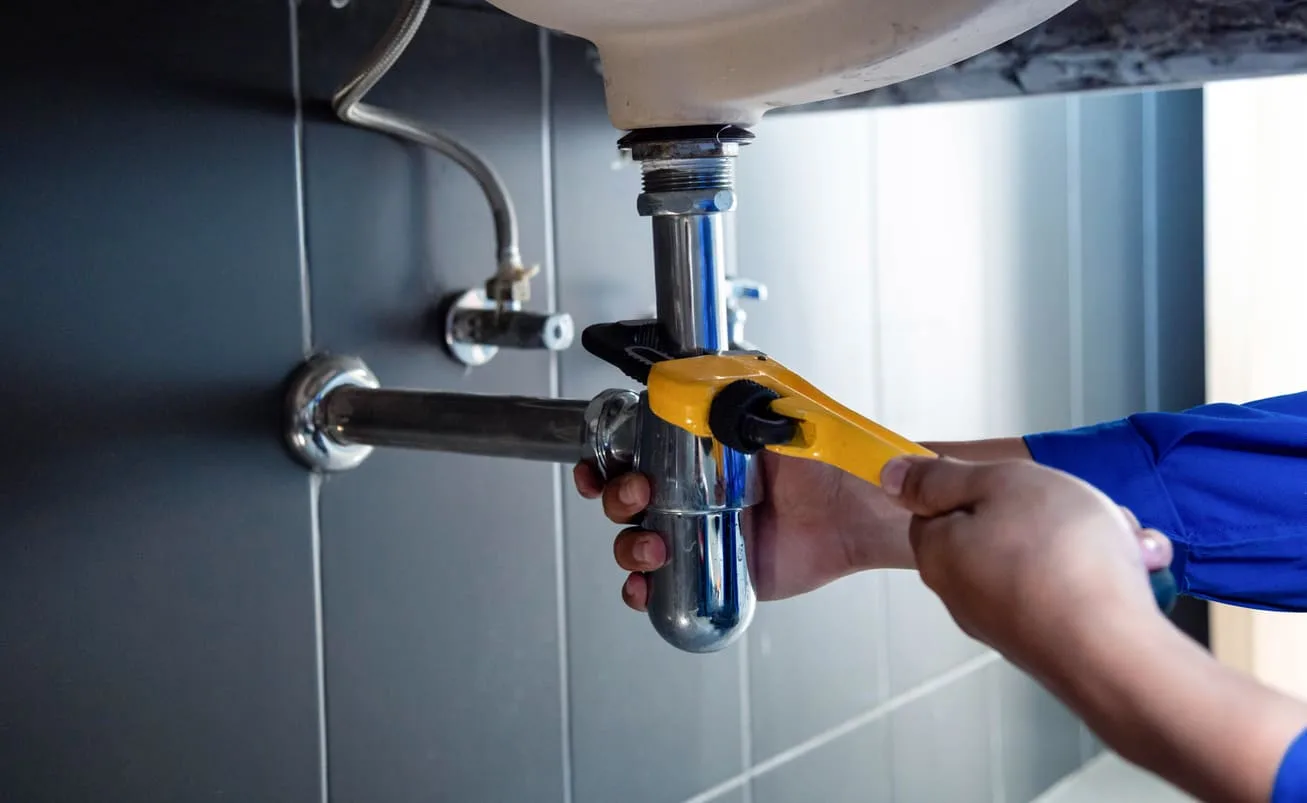
On average, moving a single plumbing fixture in Australia costs between $300 and $1,500, depending on the complexity of the job and the fixture type. For more extensive relocations — such as moving a toilet or shower drain — costs can exceed $2,000 or more due to extra labour, materials, and structural work.
Here’s a quick breakdown of average costs per fixture:
Sink or basin: $300 – $800
Toilet: $800 – $2,000
Shower: $1,000 – $2,500
Bathtub: $1,000 – $2,500
Washing machine or laundry trough: $400 – $900
These prices include labour, new fittings, and minor pipework modifications but exclude major wall or floor reconstruction.
Cost by Fixture Type
Different plumbing fixtures require varying levels of work to move.
Sinks and basins: Usually the simplest to relocate, as they often require short extensions of water and waste lines.
Toilets: More complex, since they rely on specific drainage slopes. Moving one often requires breaking concrete or subflooring.
Showers and bathtubs: Typically the most expensive, involving multiple connections (water supply, drainage, waterproofing, and tiling).
Kitchen or laundry fixtures: These may require rerouting hot/cold water and waste lines, especially if you’re moving appliances or sinks to opposite walls.
The closer your new fixture position is to existing plumbing lines, the lower your overall cost will be.
Factors Affecting the Cost
Several elements determine how much it costs to move plumbing fixtures:
Distance of relocation: The farther the fixture moves from existing plumbing, the more pipework and labour are required.
Accessibility: Hidden pipes behind walls or under concrete floors increase time and cost.
Type of building: Multi-storey homes or apartments may need extra structural adjustments or council approval.
Fixture type and complexity: Toilets and showers cost more to move than sinks or taps.
Labour rates: Plumber rates vary between $80 and $150 per hour, depending on location and experience.
Additional work: Tiling, waterproofing, and electrical adjustments may be needed in bathrooms or kitchens.
Understanding these factors helps you plan your renovation budget more accurately and avoid unexpected expenses.
DIY vs Professional Plumbing Relocation
While minor plumbing updates, like changing a tap or replacing a showerhead, can be handled by confident DIYers, relocating plumbing fixtures should always be done by a licensed plumber. Incorrectly rerouted water or drainage lines can lead to leaks, water damage, or non-compliance with Australian building codes.
A professional plumber ensures that all connections are watertight, correctly graded, and up to standard. They’ll also handle necessary permits if structural or drainage work is involved. While hiring a professional adds to the upfront cost, it provides long-term peace of mind and avoids costly repairs later on.
The Plumbing Relocation Process
Moving plumbing fixtures is a detailed job that requires both planning and precision. The process usually begins with an inspection and site assessment, where the plumber evaluates your existing pipe layout and determines the best route for relocation. This is followed by isolating the water supply and carefully removing the current fixtures.
Next, the plumber reroutes water and waste lines to the new position. This may involve cutting through concrete, subfloors, or walls to extend pipes. Once the plumbing is in place, the system is pressure-tested to check for leaks before fixtures are reinstalled. Finally, any holes or wall sections are sealed, and the area is cleaned and tested for proper drainage and flow.
Additional Costs to Consider
Beyond the core labour and materials, there are often extra costs involved in moving plumbing fixtures, especially during a renovation. Some of the most common include:
Tiling or waterproofing repairs: $200 – $1,000
Wall or floor reconstruction: $300 – $1,500
New fittings or fixtures: $150 – $800 each
Permits or inspections (if required): $100 – $500
Electrical adjustments for appliances: $150 – $400
If you’re moving multiple fixtures or making structural changes, you may also need to hire a builder or tiler alongside your plumber. Always ask for a detailed, itemised quote to understand what’s included.
How to Save on Plumbing Relocation Costs
Plumbing work can quickly become expensive, but a few strategies can help keep costs down. The easiest way to save is by keeping fixtures close to existing plumbing lines, reducing the amount of rerouting required. Plan your renovation layout early to avoid last-minute changes that require extra labour.
You can also save by bundling multiple plumbing tasks together, such as moving the toilet and shower in one visit instead of separate calls. Using standard fittings and pipes rather than custom or premium brands can also reduce material costs. Finally, always compare quotes from licensed plumbers — rates can vary significantly between contractors and locations.
Signs You May Need to Move Plumbing Fixtures
Sometimes, moving plumbing fixtures isn’t just about aesthetics — it’s necessary for functionality or compliance. You might need to relocate fixtures if:
Your bathroom or kitchen layout is being redesigned.
Drainage or water flow is poor in the current setup.
You’re adding new appliances like a dishwasher or washing machine.
The existing plumbing doesn’t meet building codes or accessibility standards.
You’re expanding the space or converting rooms (e.g., laundry to ensuite).
A qualified plumber can assess whether relocation is the best solution or if simple pipe extensions or upgrades will suffice.
Final Thoughts
Moving plumbing fixtures can dramatically improve the layout and efficiency of your home, but it’s a job that requires expert planning and execution. Costs vary depending on the fixture type, distance of relocation, and access to existing plumbing systems. While small moves can be affordable, larger projects may involve significant labour and structural work.
Hiring a licensed and experienced plumber ensures your new setup is compliant, leak-free, and built to last. If you’re planning a bathroom or kitchen renovation, The Tradie List connects you with trusted plumbers near you. Compare quotes, read reviews, and find reliable professionals to handle your plumbing relocation safely and efficiently.

How Much Does Waterproofing Cost?
Cost Guides How Much Does Waterproofing Cost? $320 to $1,500