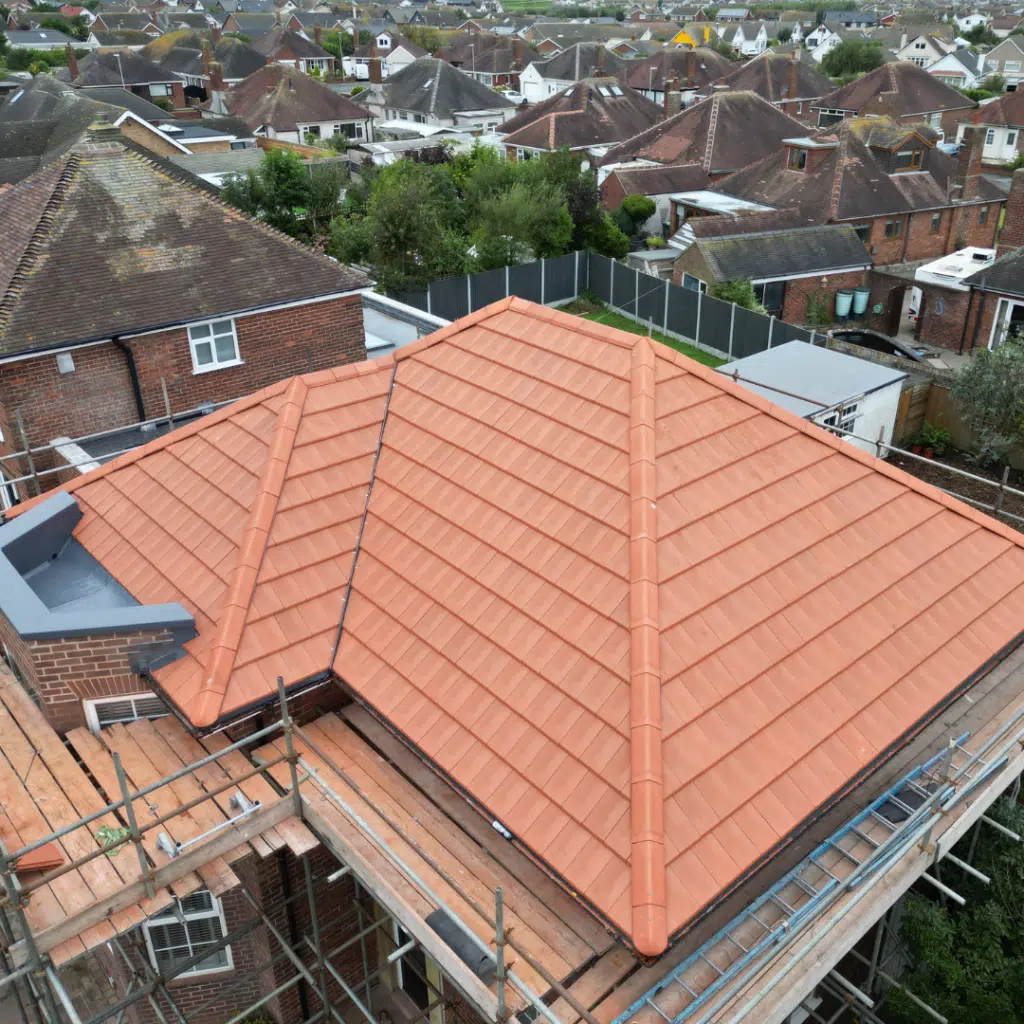
Your roof is one of the most important parts of your home — it protects you from the elements, improves energy efficiency, and enhances street appeal. But over time, roofs wear down due to age, weather, and structural stress, leading homeowners to consider full replacement.
The cost of a new roof in Australia can vary widely depending on roof size, materials, pitch, and labour requirements. Whether you’re replacing old tiles, upgrading to Colorbond steel, or restoring a weathered roof, understanding the costs and influencing factors will help you plan your budget and choose the right professionals for the job.
Average Cost of a New Roof in Australia
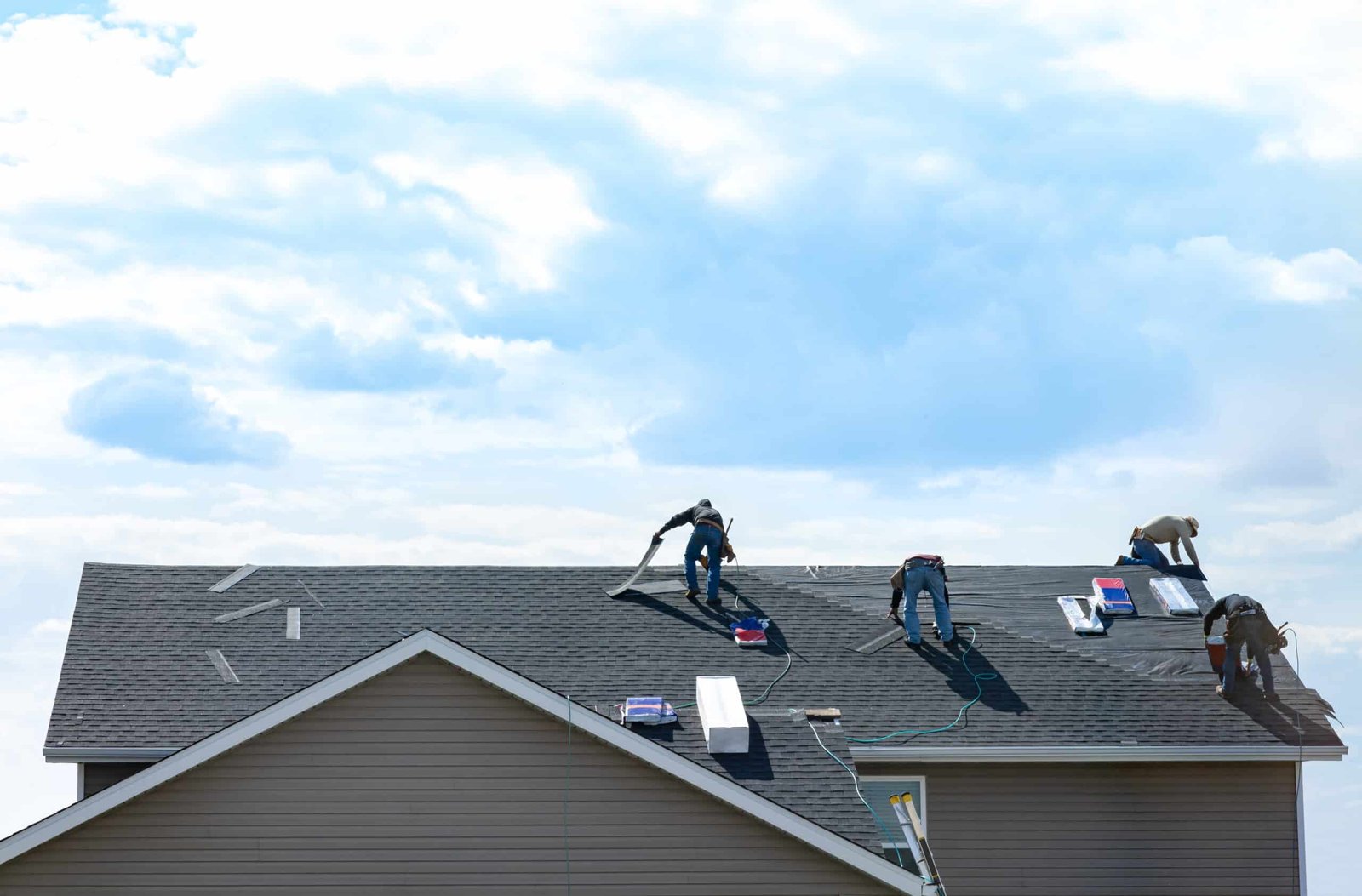
On average, a new roof in Australia costs between $10,000 and $25,000, though smaller or simpler projects can start around $5,000, while high-end architectural roofs may exceed $40,000.
Here’s a general guide by roofing material:
Metal (Colorbond or Zincalume): $50 – $100 per m²
Concrete tiles: $40 – $80 per m²
Terracotta tiles: $80 – $120 per m²
Slate: $200 – $500 per m²
Asphalt shingles: $50 – $90 per m²
Roofing quotes are usually calculated per square metre, including materials, labour, and removal of the old roof. Costs will rise if your home has a steep pitch, multiple levels, or complex angles.
Cost by Roof Type
The type of roof you choose has a major impact on overall cost, durability, and appearance.
Metal roofing (Colorbond): Highly durable, low maintenance, and ideal for Australian climates. Expect $10,000 – $20,000 for an average home.
Tiled roofing: Popular for classic aesthetics, though heavier and may require structural reinforcement. Costs typically range from $12,000 – $25,000.
Slate roofing: Premium look and extremely long lifespan, but high material and labour costs — starting from $25,000 upwards.
Asphalt shingles: Common for lightweight structures and quick installations, with mid-range durability and moderate cost.
Your choice depends on design preference, budget, and the roof’s existing framework.
Factors Affecting Roofing Costs
Several factors influence the total cost of a new roof installation:
Roof size and pitch: Larger or steeper roofs require more materials and safety equipment.
Material choice: Premium options like slate or terracotta increase costs but last longer.
Roof design complexity: Valleys, skylights, and multiple angles add labour time.
Accessibility: Multi-storey homes or limited site access increase installation difficulty.
Removal of old roofing: Demolition and disposal typically add $1,000–$3,000.
Location: Labour costs vary by region — metropolitan areas are generally higher.
Understanding these elements helps homeowners compare quotes fairly and avoid hidden charges.
DIY vs Professional Roof Replacement
While some small roofing repairs can be handled by confident DIYers, a full roof replacement should always be performed by licensed roofing contractors. Roofing work involves safety risks, strict compliance with building codes, and waterproofing standards that must be met.
Professional roofers ensure correct installation, weatherproof sealing, and proper ventilation. They also provide warranties for materials and labour, which protect you from costly issues later. Although DIY may seem cheaper, the risks of leaks, poor insulation, or structural failure often outweigh the savings. Hiring qualified tradies guarantees quality workmanship and peace of mind.
The Roof Replacement Process
Replacing a roof involves several important steps to ensure durability, proper sealing, and structural integrity. The process begins with a roof inspection and assessment, where a roofing professional checks the existing structure for damage, leaks, and support strength. Once the materials and design are chosen, the old roofing is removed, and any damaged battens or insulation are replaced.
Next, the new roofing materials are installed — whether metal sheets, tiles, or shingles — followed by flashing, ridge caps, and sealant to prevent water ingress. The roof is then cleaned, gutters are checked or replaced, and all debris is removed from the site. A final inspection ensures the installation meets Australian safety and building standards before handover.
Additional Costs to Consider
Besides the basic cost of materials and labour, there are several additional expenses homeowners should budget for:
Old roof removal and disposal: $1,000 – $3,000
Roof insulation replacement: $1,500 – $3,000
Guttering and fascia replacement: $1,000 – $4,000
Scaffolding and safety equipment: $500 – $2,000
Structural repairs (if required): $500 – $5,000
Permits and council approvals: $150 – $600
If you’re switching materials (for example, from tile to metal), extra work may be needed to reinforce the frame or adjust pitch angles. Always confirm what’s included in your roofing quote and ask for itemised pricing.
Roof Lifespan and Maintenance
The lifespan of your roof largely depends on the materials used and maintenance routine.
Metal roofs (Colorbond/Zincalume): 40–70 years
Concrete tiles: 30–50 years
Terracotta tiles: 50+ years
Slate: 75–100 years
Asphalt shingles: 20–30 years
Regular maintenance — including cleaning gutters, inspecting flashing, and repairing damaged tiles — can extend your roof’s life and prevent leaks. Annual inspections are especially important after storms or in areas prone to high winds or heavy rain. Investing in proper care can save thousands in future repairs.
How to Save on Roof Replacement Costs
Replacing a roof is a major investment, but there are several ways to keep costs under control.
Compare multiple quotes: Prices vary between contractors and regions, so get at least three detailed quotes.
Choose cost-effective materials: Colorbond or concrete tiles provide excellent value for money without sacrificing durability.
Combine projects: If you need new gutters or insulation, doing all work at once reduces labour and scaffolding costs.
Regular maintenance: Extend your roof’s life with cleaning and minor repairs to delay full replacement.
Off-season scheduling: Some roofers offer discounts during slower winter months when demand is lower.
Being strategic with timing and materials can help you achieve a durable roof within budget.
Final Thoughts
Installing a new roof is a major project that protects your home and enhances its value. Costs can vary widely depending on size, materials, and complexity, but investing in a high-quality roof ensures long-term reliability and energy efficiency. Choosing experienced, licensed roofers guarantees professional installation that complies with Australian building standards.
If you’re planning a roof replacement, The Tradie List can help you find trusted roofing specialists near you. Compare quotes, view profiles, and choose qualified tradies who can deliver a strong, durable roof built to withstand Australian conditions.

How Much Does Waterproofing Cost?
Cost Guides How Much Does Waterproofing Cost? $320 to $1,500
How Much Does It Cost To Move Plumbing Fixtures?
Cost Guides How Much Does It Cost To Move Plumbing