
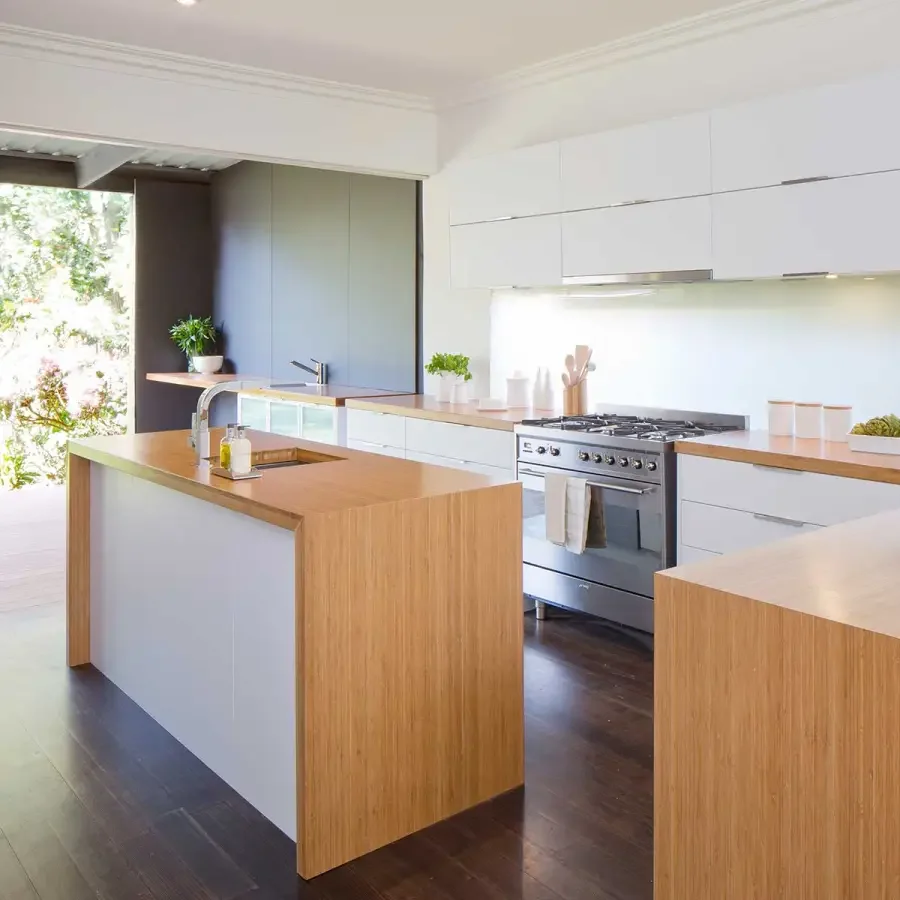
A new kitchen is one of the most effective ways to transform your home, and for many Australians, Bunnings has become the go-to option for affordable and stylish kitchen solutions. Through its Kaboodle Kitchen range, Bunnings offers modular designs, flexible layouts, and customisable finishes suited to different budgets and spaces. Whether you’re renovating an investment property or updating your family home, understanding the real cost of a Bunnings kitchen installation will help you plan your project more effectively. Prices vary depending on the kitchen size, design complexity, and whether you opt for professional installation or a DIY approach.
Overview of Bunnings Kitchen Options
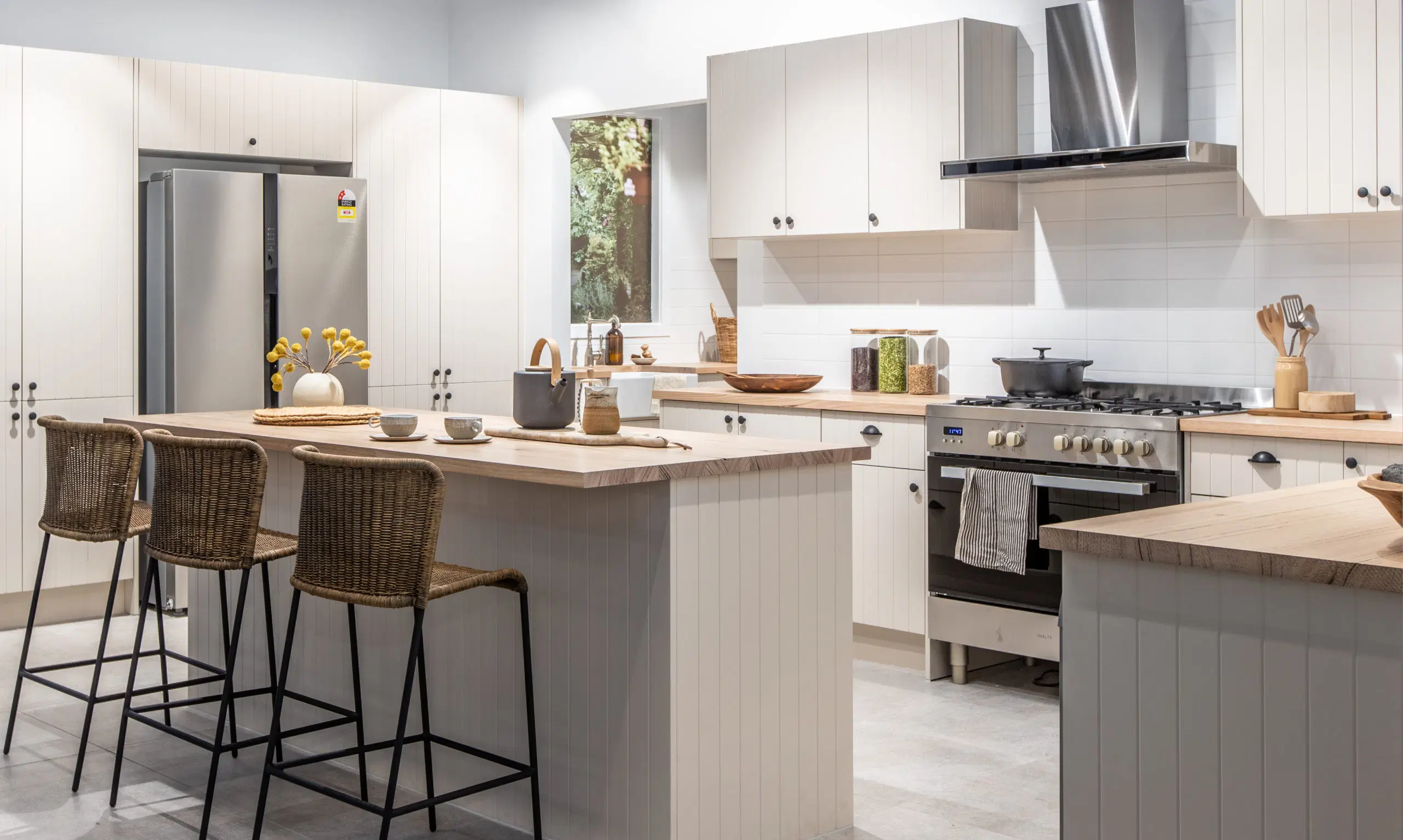
Bunnings kitchens are built around flexibility and convenience. Their main offering, the Kaboodle Kitchen range, features modular units that can be customised to fit almost any layout — including galley, L-shape, U-shape, and island kitchens. Homeowners can choose between flat-pack kits for DIY installation or fully assembled units for faster, professional fitting.
For those who prefer a hands-off approach, Bunnings provides installation services through licensed tradies, ensuring everything is assembled, fitted, and finished correctly. There’s also an option for custom design support, where a consultant helps you plan your layout, choose finishes, and coordinate installation. This mix of flexibility and affordability is what makes Bunnings kitchens so popular across Australia.
Average Cost of a Bunnings Kitchen Installation
The total cost of a Bunnings kitchen depends largely on the size, layout, and finishes you select. Smaller galley kitchens are much more affordable than large, open-plan designs with islands or premium finishes. On average:
Small kitchens (galley or compact layout): $3,000 – $6,000
Medium kitchens (L-shaped or standard layout): $6,000 – $10,000
Large kitchens (U-shape or island layout): $10,000 – $20,000+
If you’re only calculating the installation labour cost, expect to pay between $2,000 and $6,000, depending on complexity and location. These estimates include basic cabinetry, benchtop installation, plumbing, and electrical work but exclude appliances and high-end finishes. Bunnings kitchens are generally more affordable than fully custom-made alternatives, making them a strong choice for value-conscious homeowners.
Cost Breakdown by Component
To better understand where your budget goes, here’s a typical breakdown of Bunnings kitchen installation costs by component:
Cabinetry: $2,000 – $8,000 (depending on materials and number of units)
Benchtops: $600 – $3,000 (laminate, timber, or stone options)
Appliances: $1,000 – $5,000 (cooktop, oven, rangehood, dishwasher)
Splashback: $300 – $1,500 (tile, acrylic, or glass)
Plumbing and electrical work: $800 – $2,500 (connections and upgrades)
Installation labour: $1,500 – $6,000 (based on size and complexity)
Choosing DIY installation can lower costs, but professional installers ensure everything fits perfectly and meets safety regulations. Poor alignment or incorrect sealing during DIY work can lead to water damage or uneven cabinetry, which may cost more to fix later.
Factors Affecting Total Cost
Several key factors influence how much your Bunnings kitchen installation will cost. The size and layout of your kitchen are the biggest — more cabinets, corners, and benchtops mean more labour and materials. Material selection also plays a major role: laminate and melamine finishes are affordable, while stone benchtops and custom doors increase expenses.
Other contributors include plumbing and electrical modifications, particularly if you’re relocating sinks, power outlets, or appliances. Appliance quality also adds up, with premium energy-efficient brands costing more upfront. Finally, your installation method matters — DIY assembly reduces labour costs, while a Bunnings-approved professional installation guarantees a smoother process, warranty coverage, and better overall finish.
Installation Process and What’s Included
Installing a Bunnings kitchen typically follows a structured process that ensures accuracy and quality. After your initial design consultation and measurement, the installer will prepare the area by removing the old cabinetry and checking that walls, floors, and plumbing are ready for the new layout. The new Kaboodle units are then assembled and secured, followed by the installation of benchtops, splashbacks, and hardware.
Licensed plumbers and electricians handle all connections for sinks, taps, ovens, and cooktops. Once the setup is complete, the installer performs a final inspection and cleanup to ensure the kitchen is level, sealed, and ready for use. Demolition or disposal of the old kitchen is usually not included in standard installation and may cost extra.
DIY vs Professional Installation
Bunnings is known for being DIY-friendly, especially with its modular Kaboodle kitchens, which come with step-by-step guides and video tutorials. If you have the right tools and some carpentry experience, installing a small or basic kitchen yourself can save $2,000 to $4,000 in labour costs.
However, DIY installation also comes with risks — uneven cabinets, poor alignment, or incorrect sealing can lead to long-term issues. A professional installer ensures every unit fits perfectly, electrical and plumbing work meets Australian standards, and the final result looks polished. For most homeowners, hiring a Bunnings-approved licensed installer is worth the cost for peace of mind, warranty coverage, and professional workmanship.
Additional Costs to Consider
While the headline price of a Bunnings kitchen might look straightforward, there are often extra costs to keep in mind. If your old kitchen needs removing, demolition and disposal typically cost between $500 and $1,500. Adding custom cutting, resizing, or modifications to suit existing walls or appliances may cost $300 to $800.
Optional upgrades, such as tile or glass splashbacks, premium handles, or stone benchtops, can quickly raise the total cost. You should also budget for painting, plumbing, and electrical updates, which can add another $300 to $2,000 depending on the home’s condition. Setting aside 10–15% extra for unexpected changes or last-minute upgrades ensures you stay within budget without stress.
Cost Comparison: Bunnings vs Other Kitchen Brands
When comparing Bunnings kitchens to other brands, the key advantage lies in value and flexibility. IKEA kitchens are priced similarly but often require more DIY assembly and lack local installation support. Freedom Kitchens and Kinsman Kitchens offer fully custom, premium designs but at higher costs — often $15,000 to $40,000+.
Bunnings provides a practical middle ground with affordable, quality modular options that can still be customised with premium finishes if desired. Homeowners who want a stylish, functional kitchen without spending a fortune will find Bunnings a reliable balance between cost, design, and convenience.
Final Thoughts
A Bunnings kitchen installation offers excellent value for homeowners looking for a modern, practical, and affordable upgrade. With a wide range of design options, materials, and finishes, you can create a kitchen that fits your lifestyle and budget. The total cost depends on size, layout, and installation method — but professional fitting ensures your investment is built to last.
If you’re ready to start your renovation, The Tradie List can connect you with experienced kitchen installers across Australia. Compare quotes, review ratings, and hire trusted professionals who can help you achieve a smooth, high-quality Bunnings kitchen installation from start to finish.

How Much Does Waterproofing Cost?
Cost Guides How Much Does Waterproofing Cost? $320 to $1,500

How Much Does It Cost To Move Plumbing Fixtures?
Cost Guides How Much Does It Cost To Move Plumbing