
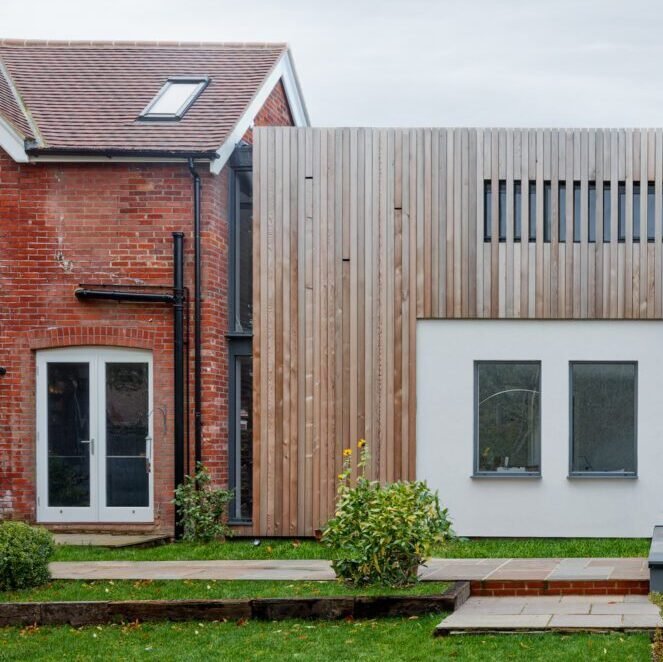
If your family is growing or you need more space for work or lifestyle, extending your home is often more practical than moving. A house extension allows you to add living space without leaving your neighbourhood, and in many cases, it can significantly increase the value of your property.
But how much do house extensions cost in Australia? Prices can vary widely depending on size, design, materials, and whether you are building outward or adding a second storey. On average, extensions cost between $2,000 and $4,000 per square metre, but complex designs or premium inclusions can push this much higher.
In this guide, we’ll cover the factors that affect extension costs, average pricing across Australia, breakdowns by type of extension, hidden costs, and tips on saving money while still achieving a high-quality result.
What Factors Affect House Extension Costs?
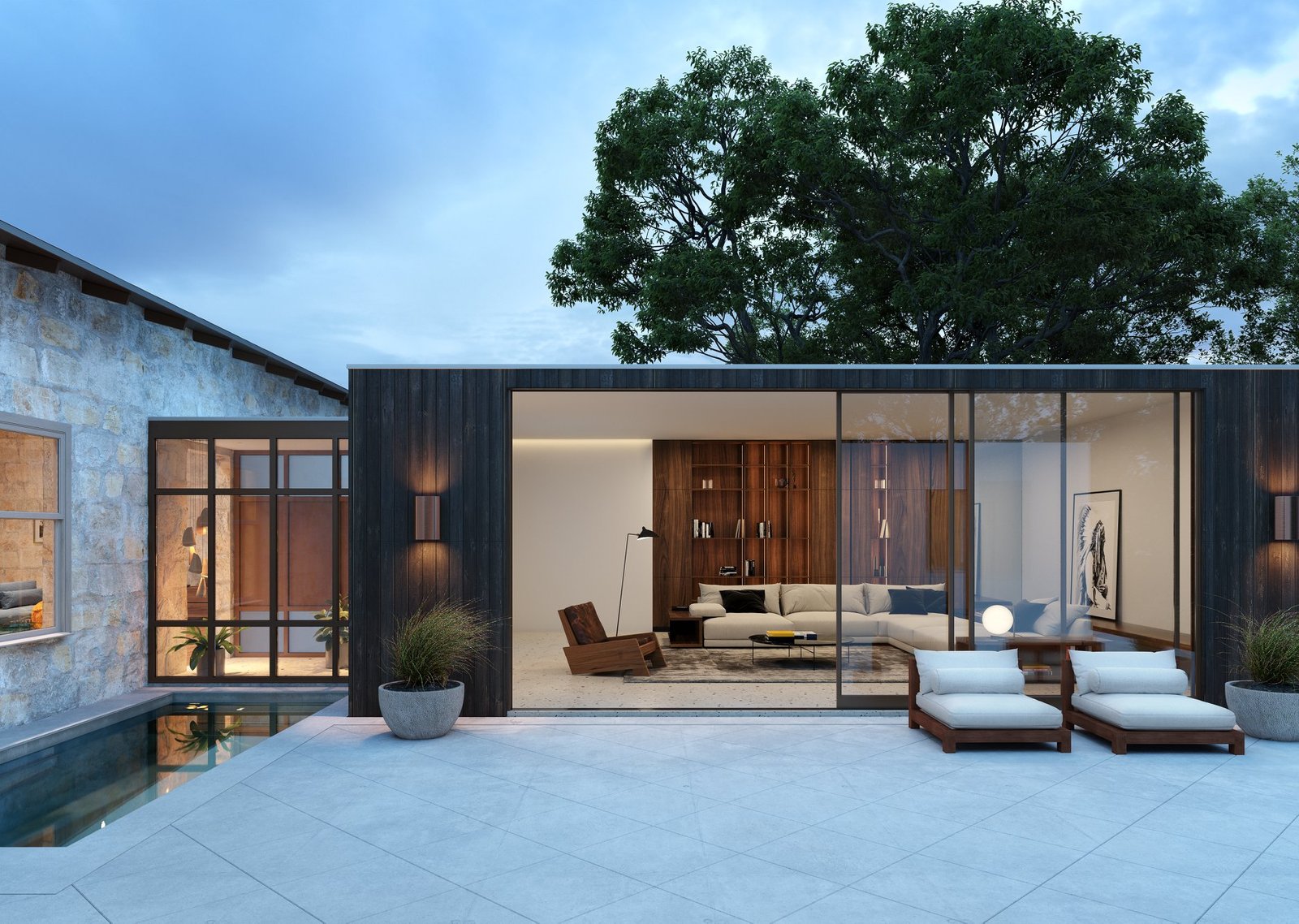
The cost of a house extension depends on several key elements. Size is the biggest factor — the more square metres added, the higher the overall cost. The type of extension also matters: ground floor extensions are generally more affordable than second-storey additions, which require extra engineering and reinforcement.
Design complexity plays a role as well. A simple rectangular extension is cheaper than one with multiple levels, unique shapes, or complex rooflines. If you’re adding a bathroom or kitchen, expect higher costs due to plumbing, electrical work, and fitouts.
Materials and finishes also affect the budget, with premium flooring, fixtures, and cabinetry increasing the final price. Finally, location and labour costs differ across Australia, with metropolitan areas usually more expensive than regional towns.
Average House Extension Costs in Australia
On average, house extensions cost $2,000 to $4,000 per m² for a ground floor build. That means an 80m² extension could cost anywhere between $160,000 and $320,000. Second-storey additions are more expensive, usually costing 30–50% more due to the engineering and structural work involved.
Smaller extensions, like a 20m² living area, might cost $40,000 to $80,000, while larger multi-room additions can exceed $500,000, depending on inclusions.
House Extension Cost Breakdown by Type
Ground Floor Extensions
Ground floor extensions are the most common type in Australia and are often the most cost-effective. They allow homeowners to add extra living space — such as a new lounge, dining area, or additional bedrooms — without the engineering complexities of a second level. Costs typically range between $2,000 and $4,000 per m², depending on the finishes chosen and whether plumbing is required.
These extensions usually involve fewer approvals and less disruption to daily life compared to upstairs builds, since you can often remain in the home during construction. However, they require sufficient block size, which can be a challenge for smaller properties where yard space is limited.
Second-Storey Extensions
Second-storey additions are more complex, as the home’s existing structure must be reinforced to support the extra load. Costs generally start around $3,000 per m² and can rise to $4,500 per m² or more.
While more expensive, this option is ideal for properties with limited land space. It provides extra bedrooms, bathrooms, or even an entire additional living area without reducing outdoor yard space. However, these projects typically take longer and may require homeowners to move out temporarily due to the structural work involved.
Kitchen or Bathroom Extensions
Adding a kitchen or bathroom extension is one of the costliest options because these spaces require plumbing, waterproofing, tiling, cabinetry, and appliances. A bathroom extension usually costs between $10,000 and $35,000, while a kitchen extension can range from $20,000 to $50,000+, depending on inclusions and quality of finishes.
These types of extensions can significantly boost both functionality and resale value, but they are also the most prone to budget blowouts due to the high number of trades involved. Careful planning and selecting mid-range fixtures can help manage costs.
Conservatories and Sunrooms
For homeowners wanting additional space filled with natural light, conservatories and sunrooms are a more affordable extension option. Costs range between $5,000 and $30,000, depending on size, glazing, and structural complexity.
Sunrooms are generally less expensive than full brick-and-mortar builds because they don’t always require the same level of structural work. They are often used as relaxation spaces, dining areas, or playrooms. However, they may have lower insulation and energy efficiency compared to fully built extensions unless designed with premium glazing and materials.
Garage Conversions or Additions
Garage conversions are one of the most cost-effective ways to create extra living space without building from scratch. Converting an existing garage into a bedroom, office, or rumpus room typically costs between $7,500 and $20,000, depending on finishes and insulation.
If you’re adding a new garage, costs are generally higher due to the structural work involved, but the space can serve dual purposes — car storage plus extra living or workshop space. While affordable, one drawback of conversions is that they may reduce parking availability, which can affect property value in some areas.
Hidden or Additional Costs
There are often extra costs that homeowners overlook. Planning and council approval fees can add several thousand dollars. If excavation or demolition is required, this increases labour and waste removal costs. For second-storey additions, you may also need temporary accommodation while work is completed.
Other hidden expenses may include new roofing, insulation, flooring, electrical upgrades, or landscaping around the extension. Always ask your builder for an itemised quote to avoid surprises.
Benefits of Extending Your Home
House extensions offer significant lifestyle and financial benefits. They give you the space you need without the hassle of moving, allowing you to stay in your preferred location. Extensions can also add 5% to 20% to your home’s value, depending on the type and quality of the work.
They also allow you to customise your home to suit your needs — whether that’s a larger kitchen, a home office, or extra bedrooms for a growing family. Compared to buying a bigger home, extensions are often the more cost-effective and convenient choice.
How to Save on House Extension Costs
If you’re working within a budget, keep your design simple and avoid unnecessary structural changes. Choosing mid-range finishes instead of premium materials can save thousands without compromising quality.
Converting existing spaces, such as a garage, is usually cheaper than building a new extension. It’s also wise to compare multiple quotes from licensed builders to ensure you’re getting the best price for your project. Planning ahead and minimising design changes will also help keep costs down.
Finding the Right Extension Builder
Extensions are complex projects that require experienced, licensed builders. When choosing a builder, check their qualifications, insurance, and ask to see previous work. Itemised quotes and clear timelines are essential to avoid budget blowouts.
To make things easier, The Tradie List connects homeowners with trusted local extension builders. By visiting thetradielist.com, you can request multiple quotes, compare services, and hire with confidence.

How Much Does Waterproofing Cost?
Cost Guides How Much Does Waterproofing Cost? $320 to $1,500

How Much Does It Cost To Move Plumbing Fixtures?
Cost Guides How Much Does It Cost To Move Plumbing