
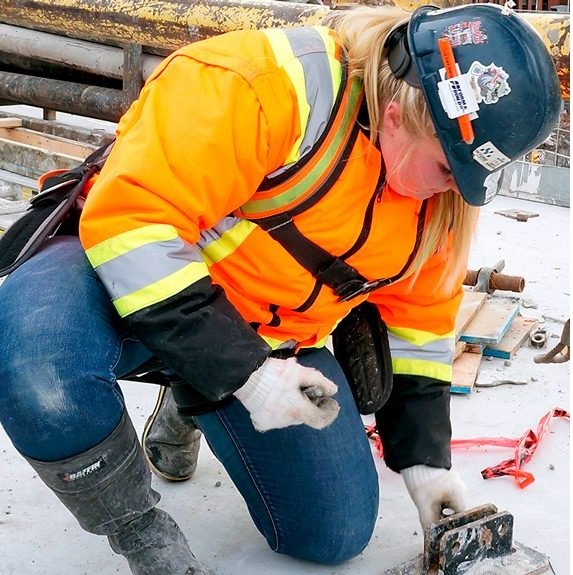

Formwork Inspection & Installation Checklist
Check that formwork layouts, dimensions, and reinforcement details match approved plans.
Ensure timber, plywood, steel, or aluminium components are in good condition and free of damage.
Check the stability of soil or base to support formwork loads without settlement.
Ensure formwork is correctly aligned, plumb, and leveled to meet design specifications.
Tightly secure joints, bolts, and clamps to prevent concrete leakage during pouring.
Coat formwork surfaces with release agent to allow clean stripping without damaging concrete.
Install adequate props, struts, and ties to resist lateral and vertical loads safely.
Verify that rebar, mesh, and spacers are correctly positioned and secured within formwork.
Ensure sleeves, conduits, and service penetrations are correctly placed before pouring concrete.
Remove debris, standing water, or loose material from inside the formwork.
Confirm walkways, guardrails, and access around formwork are secure and hazard-free.
Observe supports and bracing during pouring to detect movement or bulging.
Ensure concrete is poured in layers and at a controlled rate to prevent excessive pressure on formwork.
Use vibration tools to consolidate concrete and avoid air pockets while monitoring formwork for leaks.
Do not strip formwork until concrete has gained sufficient strength as per engineer’s approval.
Dismantle supports gradually, avoiding damage to the structure or freshly set concrete.
Check the concrete surface for defects, honeycombing, or misalignment after stripping.
Clean, repair, and store formwork materials properly for reuse in future projects.

How Much Does Waterproofing Cost?
Cost Guides How Much Does Waterproofing Cost? $320 to $1,500