
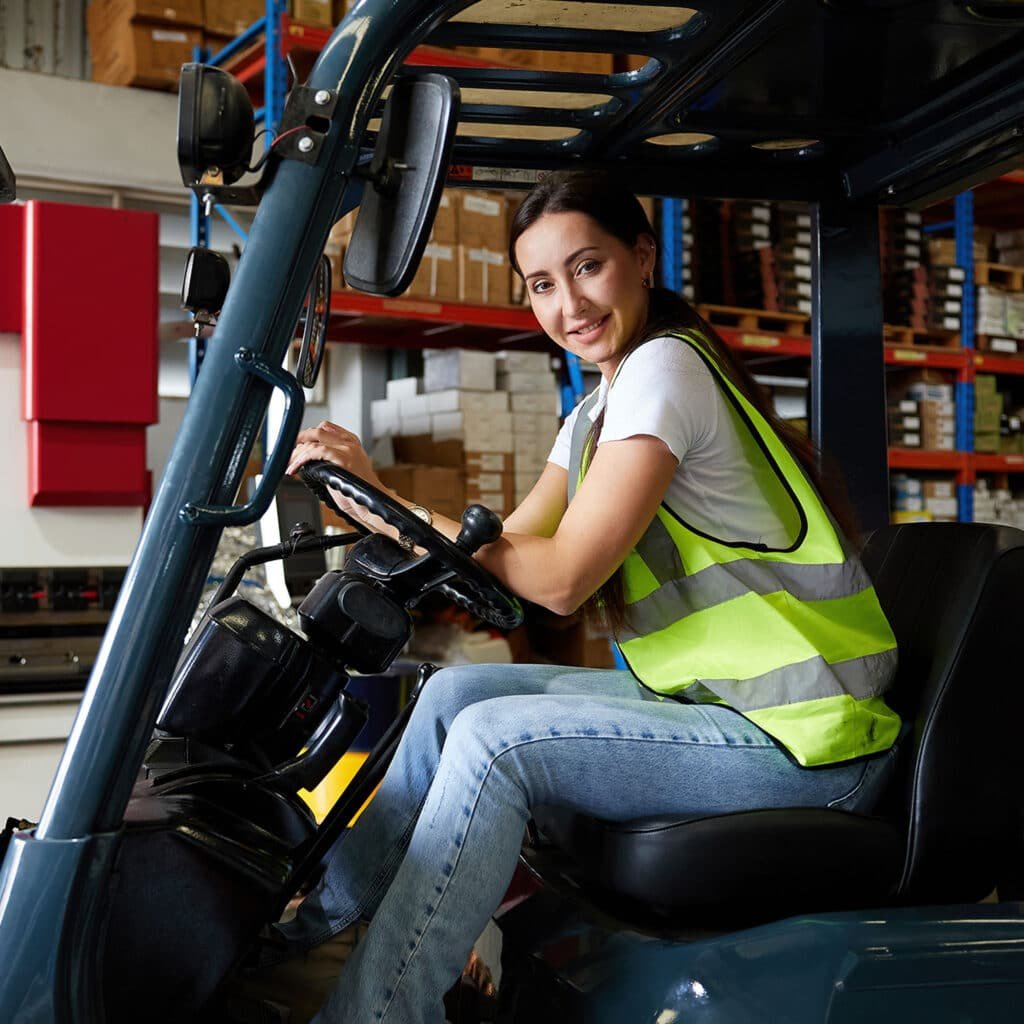

Forklift Safety Checklist
Forklifts are essential for warehouses, construction sites, and industrial operations — but they’re also one of the leading causes of workplace accidents. A forklift safety checklist ensures operators and managers cover all critical steps, from pre-start inspections to safe operating practices, reducing risks and ensuring compliance with workplace safety standards.
Enter your postcode to connect with licensed forklift safety providers near you
Popular Searches : Plumbers, Pest Control, Lawn Mowing, Handyman,

Forklift Safety Checklist
Forklifts are essential for moving heavy loads in warehouses, factories, and construction sites, but they also present serious risks if not operated safely. Regular safety checks and proper maintenance are critical to preventing accidents, protecting workers, and ensuring compliance with workplace health and safety regulations. A forklift safety checklist helps operators and supervisors identify potential hazards, confirm equipment is in good condition, and verify safe operating practices before each use. By following a structured process, businesses can reduce risks, extend equipment life, and create a safer work environment.

Forklift Safety Checklist
Inspect tyres for wear, damage, or low pressure to ensure stability.
Ensure brakes, steering, and horn are functioning properly before operating.
Check for cracks, bends, or damage and confirm the mast raises and lowers smoothly.
Check hydraulic fluid, engine oil, and coolant levels before starting the forklift.
Ensure seatbelt, lights, alarms, and mirrors are all in working order.
Use appropriate personal protective equipment such as high-visibility clothing and safety shoes.
Ensure loads are balanced, stable, and within the forklift’s rated capacity.
Adjust mirrors and avoid overstacking loads that obstruct vision.
Operate at appropriate speeds, especially around corners, pedestrians, or in tight areas.
Watch for uneven surfaces, spills, or obstructions that could cause tipping or accidents.
Always park forklifts in approved zones, away from pedestrian pathways.
Set forks flat on the ground when not in use to avoid tripping hazards.
Switch off ignition and remove the key when the forklift is not in operation.
Log any issues or damage in the maintenance report for immediate repair.
Arrange routine maintenance as per manufacturer guidelines to keep forklifts safe and reliable.
Maintain up-to-date inspection and servicing logs for compliance audits.
Ensure all forklift operators hold valid licenses and receive refresher training when required.

Forklift safety is a shared responsibility that starts with proper inspections and continues with safe daily practices. By following this checklist, operators and supervisors can reduce risks, maintain compliance, and create a safer workplace. Regular maintenance, thorough training, and consistent safety checks ensure forklifts remain reliable, efficient, and safe for everyone on site.

How Much Does Waterproofing Cost?
Cost Guides How Much Does Waterproofing Cost? $320 to $1,500