
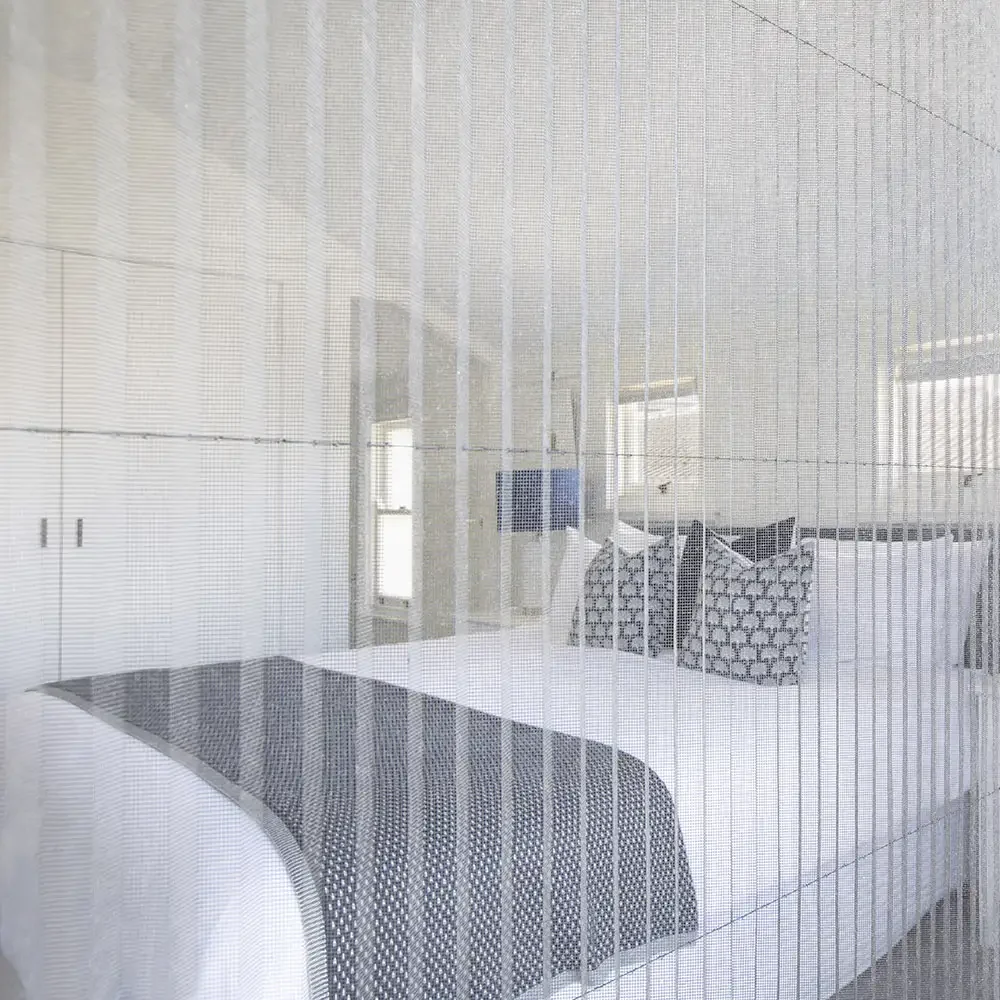
Flyscreens are a simple yet highly effective addition to any Australian home, providing fresh air and ventilation while keeping out insects, flies and other pests. With Australia’s warm climate and long summers, flyscreens have become an essential feature for many households, particularly in areas where mosquitoes and bugs are common. They’re not only practical but also versatile, available in a range of styles and materials to suit different windows, doors and budgets. From basic fixed screens to retractable and magnetic options, flyscreens offer a balance of comfort and protection without compromising on natural airflow.
They can be custom-fitted to a wide variety of openings, including sliding doors, casement windows and bi-fold systems, ensuring a seamless look and functional solution. Beyond pest control, modern flyscreens also contribute to energy efficiency by reducing the need for air conditioning, as they allow you to enjoy cross-breezes throughout your home. Some premium options even come with finer mesh for increased privacy or specialised coatings for improved durability. The cost of installing flyscreens will depend on the type of screen you choose, the size and number of openings, and whether you opt for professional installation or DIY kits.
How much does it cost to install flyscreens?
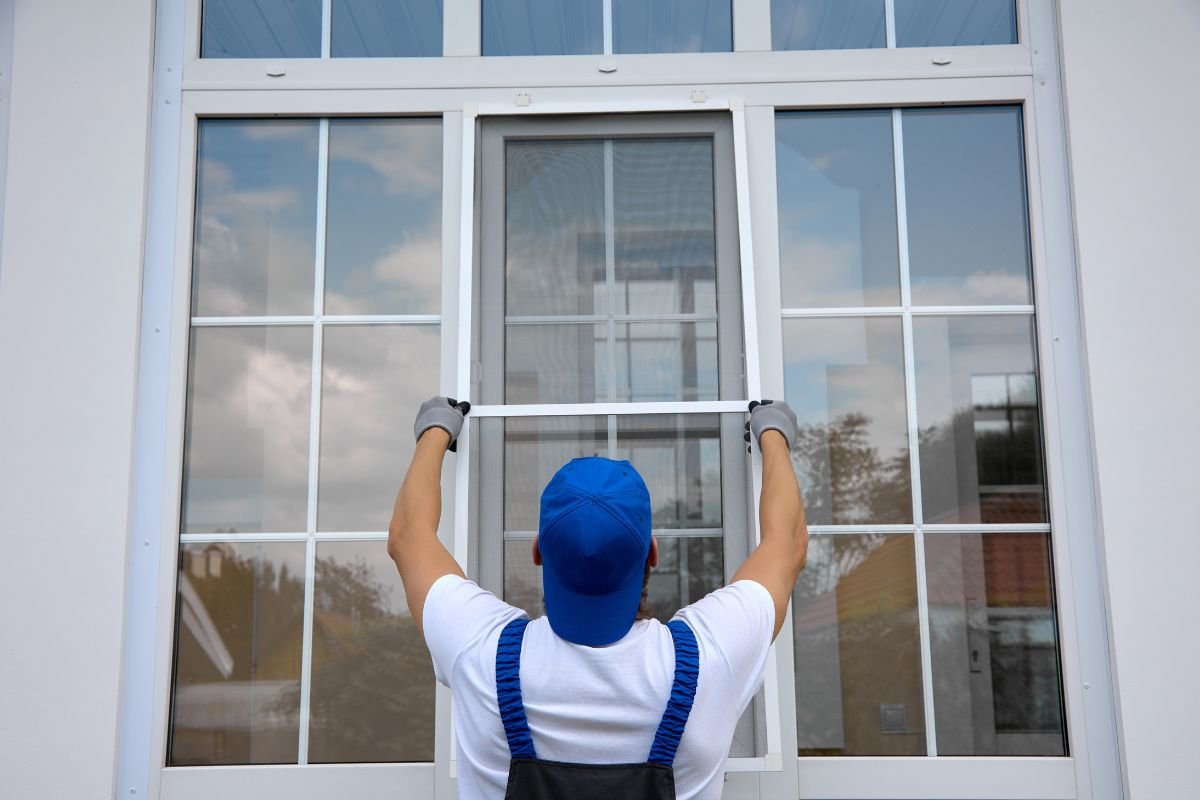
On average, flyscreen installation in Australia costs between $50 and $600 per screen, depending on the style, material and level of customisation. Basic mesh inserts are at the lower end, while retractable or high-quality aluminium screens sit at the higher end.
In this guide, we’ll cover:
What affects the cost of flyscreen installation
Average prices by type of screen
Hidden and additional costs to consider
Benefits of installing flyscreens
How to save on installation
How to find the right flyscreen installer
Flyscreens are a simple yet highly effective addition to any Australian home, providing fresh air and ventilation while keeping out insects, flies and other pests. With Australia’s warm climate and long summers, flyscreens have become an essential feature for many households, particularly in areas where mosquitoes and bugs are common. They’re not only practical but also versatile, available in a range of styles and materials to suit different windows, doors and budgets. From basic fixed screens to retractable and magnetic options, flyscreens offer a balance of comfort and protection without compromising on natural airflow. They can be custom-fitted to a wide variety of openings, including sliding doors, casement windows and bi-fold systems, ensuring a seamless look and functional solution. Beyond pest control, modern flyscreens also contribute to energy efficiency by reducing the need for air conditioning, as they allow you to enjoy cross-breezes throughout your home. Some premium options even come with finer mesh for increased privacy or specialised coatings for improved durability. The cost of installing flyscreens will depend on the type of screen you choose, the size and number of openings, and whether you opt for professional installation or DIY kits.
How much does it cost to install flyscreens?
On average, flyscreen installation in Australia costs between $50 and $600 per screen, depending on the style, material and level of customisation. Basic mesh inserts are at the lower end, while retractable or high-quality aluminium screens sit at the higher end.
In this guide, we’ll cover:
What affects the cost of flyscreen installation
Average prices by type of screen
Hidden and additional costs to consider
Benefits of installing flyscreens
How to save on installation
How to find the right flyscreen installer
What Affects the Cost of Flyscreen Installation?
The main factor that affects the cost of flyscreen installation is the type of screen you choose. Basic fixed flyscreens made from fibreglass or standard mesh are the most affordable option, while retractable screens, magnetic screens or custom-made aluminium frames are more expensive due to their design and materials. Premium flyscreens with fine mesh for privacy, or pet-resistant mesh, will also cost more than standard products.
Size and number of openings have a direct impact on the price as well. Larger screens for sliding doors, French doors or bi-fold systems require more material and labour than small window inserts. If you are screening multiple windows and doors at once, you may save on the per-unit cost, as installers can complete everything in one visit.
Another cost factor is the quality of materials. Fibreglass mesh is typically the cheapest, but aluminium or stainless-steel mesh offers greater durability and resistance to corrosion, making it more suitable for coastal areas. Some homeowners also opt for security-grade mesh, which is significantly stronger but comes at a higher price point.
Finally, labour costs and location play a role. Professional installation ensures a precise fit and longer lifespan, but the price will vary depending on where you live. Metropolitan areas usually attract higher labour rates than regional locations. Custom fitting in homes with unusual window or door frames can also add to installation costs.
In summary, the main factors are:
Type of flyscreen (fixed, retractable, magnetic, security-grade)
Size and number of windows or doors
Quality of mesh and frame materials
Labour rates and location
Customisation or special fittings required
Average Cost of Flyscreen Installation in Australia
Flyscreens in Australia typically cost between $50 and $600 per screen, depending on the style, materials, and complexity of installation. The lower end of the scale covers simple fixed mesh inserts for standard windows. The higher end reflects premium options such as retractable or custom aluminium-framed screens for large doors or non-standard openings.
For basic window flyscreens made of fibreglass mesh and simple framing, you might pay around $50 to $120 per screen when installed by a professional. Mid-range screens — for example, aluminium frames, better mesh or slightly larger dimensions — usually fall in the $120 to $300 range. More advanced options like sliding door screens, retractable systems or security flyscreens can cost $300 to $600+ per opening, especially when factoring in extra features or structural modifications.
When installing multiple flyscreens at once — windows and doors combined — the effective cost per screen often drops as labour is shared across jobs. The installer is already on-site, which reduces travel and setup time per unit.
These numbers are meant to provide a ballpark guide. The actual cost you’ll pay depends on your location, the size and type of screen you choose, how many screens you need, and any extra work required such as cutting frames, modifying sills, or reinforcing to make the fit precise.
Flyscreen Costs by Type
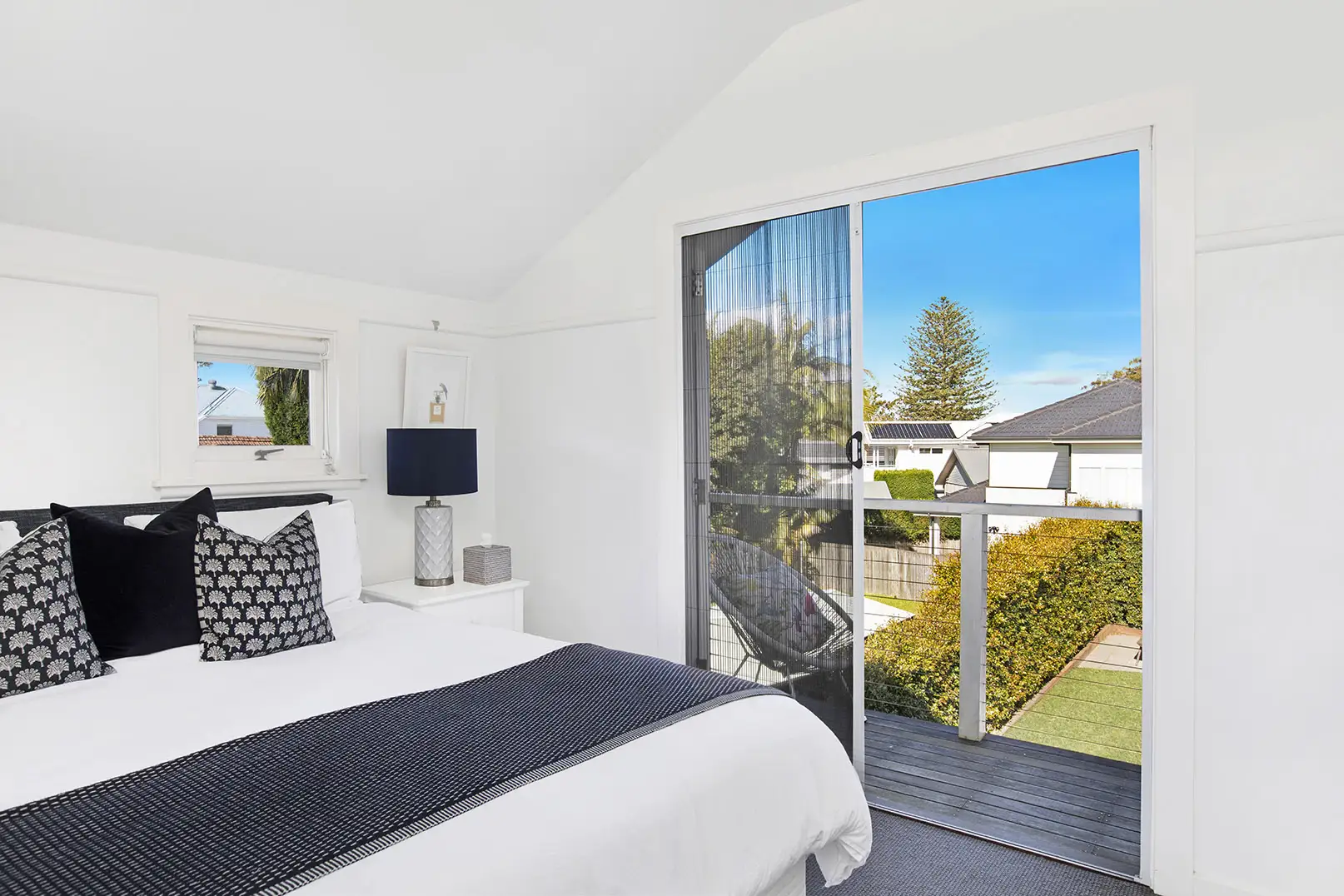
Fixed flyscreens are the most affordable option, with supply and installation starting at around $50 per window for basic fibreglass mesh. Aluminium-framed fixed screens cost more but are sturdier and better suited to long-term use.
Retractable flyscreens are more expensive, usually ranging from $300 to $600 per screen. They are ideal for large openings such as French doors, sliding doors or bi-folds, as the mesh can be rolled away when not in use for an unobstructed view.
Magnetic flyscreens are a flexible option for windows and can be fitted DIY or professionally. They generally cost between $100 and $200 per screen, depending on size and quality.
Security flyscreens made from stainless steel mesh or reinforced aluminium frames are the premium option. They provide added protection against intruders and pets, but typically cost upwards of $400 per door or large window, with some models reaching $600 or more.
Hidden & Additional Costs
Beyond the initial price of the screen, you may need to factor in custom fitting charges for non-standard windows or doors. Homes with unusual frame shapes or larger-than-average openings often require bespoke solutions, which can increase the overall cost. If existing flyscreens need to be removed and disposed of, this may also attract a small additional fee. In coastal areas, upgrading to corrosion-resistant mesh such as stainless steel can add to the price but ensures longer durability. Finally, if you opt for professional installation, consider call-out fees or minimum labour charges, which may apply for small jobs.
Benefits of Installing Flyscreens
Flyscreens offer more than just insect protection. They allow you to enjoy natural ventilation and cooling breezes while reducing reliance on air conditioning, which can lower your energy bills. Modern flyscreens are also discreet and versatile, fitting seamlessly into window and door frames without disrupting the design of your home. Premium meshes can provide additional privacy during the day and some options are even designed to withstand pets’ claws, making them a practical choice for families. By installing flyscreens, you can improve comfort, enhance air quality, and enjoy a healthier indoor environment while keeping unwanted pests out.
How to Save on Flyscreen Installation
There are several ways to reduce the overall cost of installing flyscreens without sacrificing quality. One of the simplest strategies is to install multiple screens at the same time. Many installers will offer a better per-screen rate when completing larger jobs, as set-up and call-out costs are spread across more openings. Choosing cost-effective materials such as fibreglass mesh instead of premium stainless steel can also make a big difference, especially for standard windows that don’t require heavy-duty protection.
If you have basic DIY skills, you might save money by purchasing magnetic or DIY flyscreen kits for smaller windows and leaving larger or more complex installations to the professionals. You can also save by preparing the frames and openings yourself, ensuring they are clean and free of obstructions before the installer arrives. Finally, always compare at least three quotes from licensed installers so you understand the market rate in your area and avoid paying more than necessary.
Finding the Right Flyscreen Installer
While some flyscreens can be fitted with DIY kits, larger installations — such as retractable or security-grade screens — require professional expertise to ensure durability and a perfect fit. A qualified installer will make sure your screens are measured precisely, fitted securely and finished neatly, which reduces the risk of gaps, sagging or early wear. When choosing an installer, ask for a detailed written quote and confirm whether it includes labour, materials, and any extras such as custom frames. It’s also wise to check reviews or request examples of previous work, especially if you’re investing in premium screens.
Finding a trusted professional is easy with The Tradie List. By visiting thetradielist.com, you can quickly connect with licensed local flyscreen installers, compare quotes and hire with confidence. This helps you save time, money and stress, ensuring your new flyscreens are installed to the highest standard.
How Much Does Waterproofing Cost?
Cost Guides How Much Does Waterproofing Cost? $320 to $1,500
How Much Does It Cost To Move Plumbing Fixtures?
Cost Guides How Much Does It Cost To Move Plumbing