
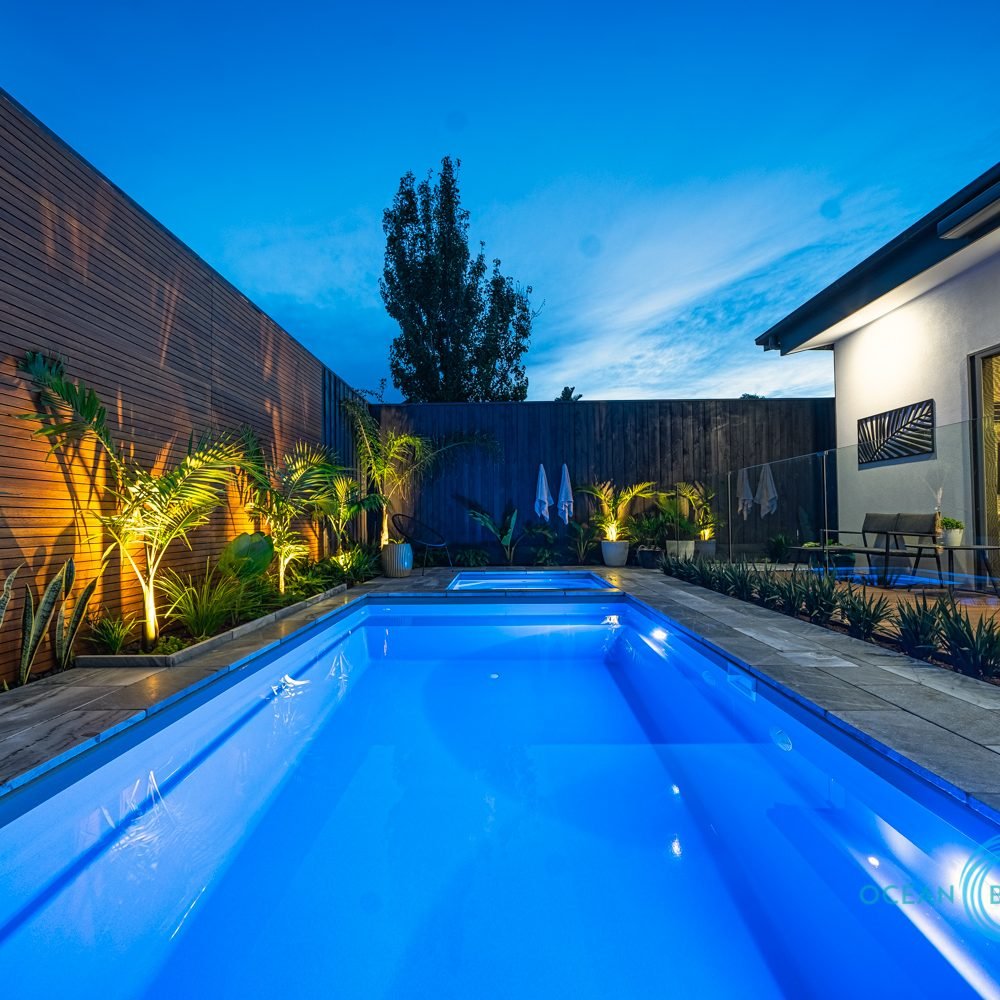
Fibreglass pools are one of the most popular choices for Australian homeowners who want a durable, low-maintenance pool without the long installation time of concrete. They come in a variety of shapes, sizes and colours, and can be installed much faster than other pool types — often within a few weeks.
But how much does a fibreglass pool cost? The price can vary significantly depending on the size, design, installation requirements and the extras you choose. On average, fibreglass pools are considered more affordable than concrete, making them a great option for families looking to balance quality with cost.
How much do fibreglass pools cost?
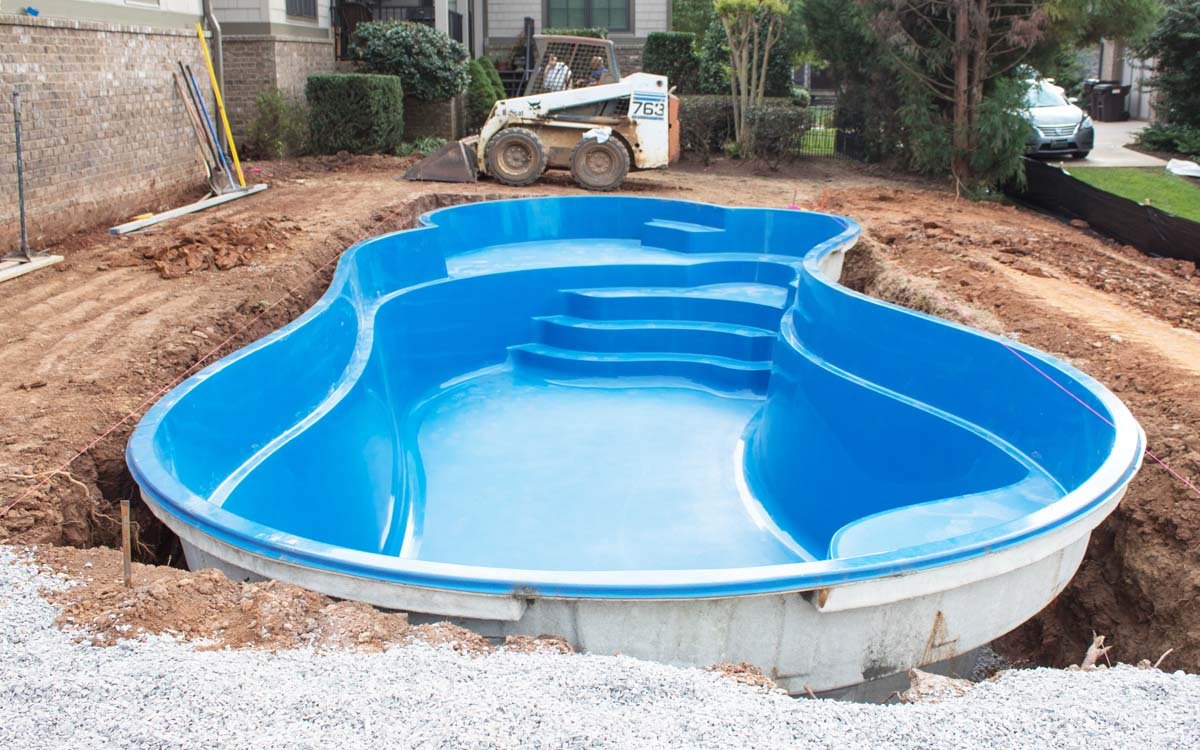
In this guide, we’ll break down everything you need to know about fibreglass pool costs in Australia, including:
The key factors that influence the price
Average supply and installation costs
Hidden or additional expenses to budget for
Benefits of choosing fibreglass over other pool types
How to save money and find the right installer
What Factors Affect the Cost of a Fibreglass Pool?
The overall cost of a fibreglass pool depends on several important factors.
Pool size and shape have the biggest influence. Smaller plunge pools are much cheaper than large family-sized pools, and complex shapes or designs with built-in steps and benches will also increase the price.
Design features such as integrated spa sections, tanning ledges or built-in seating add convenience and style, but they also add to manufacturing and installation costs.
Site conditions can significantly affect the budget. A flat, easily accessible backyard will be cheaper to prepare than a sloping block, rocky soil or tight access site that may require cranes or extra excavation.
Installation type makes a big difference too. Some suppliers offer the fibreglass shell only, while others provide full installation packages that include excavation, plumbing, electrical work and backfilling. A turnkey package will cost more upfront but saves you the hassle of managing multiple tradies.
Extras and add-ons such as pool heating, LED lighting, cleaning systems, water features, fencing and landscaping can push the cost well beyond the base price of the pool.
Lastly, labour and location play a role. Labour costs are higher in major cities than in regional areas, and transport fees for delivering the shell can increase if you’re located far from a manufacturer.
Average Cost of Fibreglass Pools in Australia
The cost of a fibreglass pool depends largely on the size, style and whether you’re purchasing just the shell or opting for a full installation package. As a general guide:
Pool shell only: From around $7,000 to $15,000, depending on size and design. This is the base cost for the fibreglass shell without installation.
Supply + basic installation: Between $20,000 and $35,000. This usually includes excavation, delivery of the shell, positioning, backfilling, and basic plumbing.
Full installation packages: From $35,000 to $60,000+, depending on the pool’s size, site complexity, and extras such as heating, lighting and landscaping.
For example, a small plunge pool will usually cost far less than a large family-sized pool with spa features, benches or custom shapes. The more features and inclusions you add, the higher the final cost.
Fibreglass Pool Installation Costs
Installing a fibreglass pool involves several stages, and each stage contributes to the overall cost.
Excavation and site preparation are among the first steps. If your site is flat and easy to access, this can be relatively straightforward. However, sloping or rocky ground, tight access, or poor soil conditions can add thousands to the cost.
Delivery and crane hire may also be necessary, particularly if your backyard is difficult to access. In some cases, cranes are required to lift the pool shell over a house or other structures, which can be an added expense.
Plumbing and filtration systems are essential for running the pool. This includes pumps, filters, skimmers and return lines, all of which need to be installed by professionals.
Electrical work will also be required for pool lights, pumps, heating systems and, in some cases, automated cleaning equipment. This work must be carried out by a licensed electrician.
Backfilling and concreting around the pool shell (often with a concrete bond beam) ensure the pool is stable and secure.
Finally, you need to account for mandatory pool fencing, which is a legal requirement in Australia. The type and style of fencing you choose will influence the overall budget.
In total, professional installation adds anywhere from $15,000 to $30,000 or more to the cost of the pool, depending on site conditions and inclusions.
Hidden or Additional Costs
When budgeting for a fibreglass pool, it’s important to plan for more than just the pool shell and installation. One of the most common extra expenses is council approvals and permits, which are mandatory in most states before construction can begin. Fees vary depending on your local council and the scope of the project.
Delivery and access can also impact costs. If your backyard has limited access, you may need a crane to lift the pool shell into place, which can add several thousand dollars. Transport fees also increase if your property is far from the manufacturer or supplier.
Another major cost to consider is pool fencing, which is required by law in Australia. The cost depends on the style of fencing you choose — frameless glass being at the premium end, and tubular steel or aluminium more affordable options.
Don’t forget about landscaping and finishing works. Many homeowners choose to add paving, decking, water features or garden design around the pool to complete the look. These extras can easily push the total cost beyond your initial budget.
Finally, there are ongoing maintenance costs. While fibreglass pools are low-maintenance compared to other pool types, you’ll still need chemicals, cleaning equipment and occasional servicing for pumps or filtration systems.
Benefits of Fibreglass Pools
Fibreglass pools are a popular choice for good reason. One of the biggest advantages is faster installation. Unlike concrete pools that can take months to complete, fibreglass pools are prefabricated and can be installed within a matter of weeks once approvals are in place.
They also have a smooth, non-porous surface, which makes them resistant to algae growth and easier to clean. This translates to less time and money spent on chemicals and maintenance over the life of the pool.
Another benefit is durability. Modern fibreglass pools are designed to flex slightly with soil movement, reducing the risk of cracks compared to concrete. They can last for decades with proper care.
Fibreglass pools also come in a wide range of shapes, sizes and colours, meaning you can choose a design that suits your space and lifestyle. From small plunge pools to large family pools with spa sections, there’s an option for almost every backyard.
Finally, fibreglass pools are generally more affordable than concrete pools, offering excellent value for money without compromising on quality or appearance.
How to Save on Fibreglass Pool Costs
While fibreglass pools can be a big investment, there are practical ways to manage the costs. One of the most effective strategies is to compare quotes from multiple installers. Prices can vary significantly, so getting at least three detailed quotes will help you find the best value.
Choosing a standard pool size and shape can also save money. Custom designs often carry higher manufacturing and installation costs, whereas off-the-shelf models are more affordable.
Another way to save is to time your installation during the off-season. Many pool builders are busiest in spring and summer, so booking during quieter months may result in lower labour rates or faster availability.
You may also be able to reduce costs by handling some of the landscaping or preparation work yourself, such as clearing the site or managing non-specialist garden finishes. Just be sure to leave technical tasks like excavation, plumbing and electrical work to licensed professionals.
Finally, focus on essential features first, such as the pool shell, filtration system and fencing. Optional extras like heating, lighting or water features can always be added later when your budget allows.
Finding the Right Pool Installer
Installing a fibreglass pool is a big investment, and the quality of the installation will determine how well your pool performs over the long term. A poorly installed pool can lead to issues such as shifting, leaks or drainage problems, while a professional job ensures the pool is safe, stable and compliant with Australian standards.
When choosing an installer, check that they are licensed and insured, and ask if they provide warranties on both the pool shell and installation work. A good installer should also help with council approvals, permits and inspections, which are often required before work begins. Requesting itemised quotes and looking at past customer reviews or completed projects can also give you confidence in their work.
To make finding a professional easier, The Tradie List connects you with trusted local pool installers. By visiting thetradielist.com, you can quickly compare quotes, check credentials and hire a licensed tradie with confidence.

How Much Does Waterproofing Cost?
Cost Guides How Much Does Waterproofing Cost? $320 to $1,500
How Much Does It Cost To Move Plumbing Fixtures?
Cost Guides How Much Does It Cost To Move Plumbing