
Building a Home Extension Checklist
Decide whether the extension is for extra bedrooms, living space, a new bathroom, or other purposes.
Include design, permits, construction, and a contingency fund for unexpected costs.
Ensure the extension complements the existing house in both style and materials.
Apply for local council approvals and ensure the extension complies with zoning and building codes.
Remove vegetation, structures, or debris from the construction area before work begins.
Test soil conditions to determine suitable foundation requirements for the extension.
Mark boundaries and layout lines accurately to guide excavation and foundation work.
Prepare the foundation to the correct depth and pour concrete footings or slab as required.
Construct walls, beams, and roof framing to match the approved design and load requirements.
Ensure the extension integrates seamlessly with the original building without compromising stability.
Extend water supply and drainage systems for new kitchens, bathrooms, or laundry areas.
Install new circuits, outlets, and lighting points, ensuring compliance with safety codes.
Extend HVAC systems or add new units to maintain comfort in the extended area.
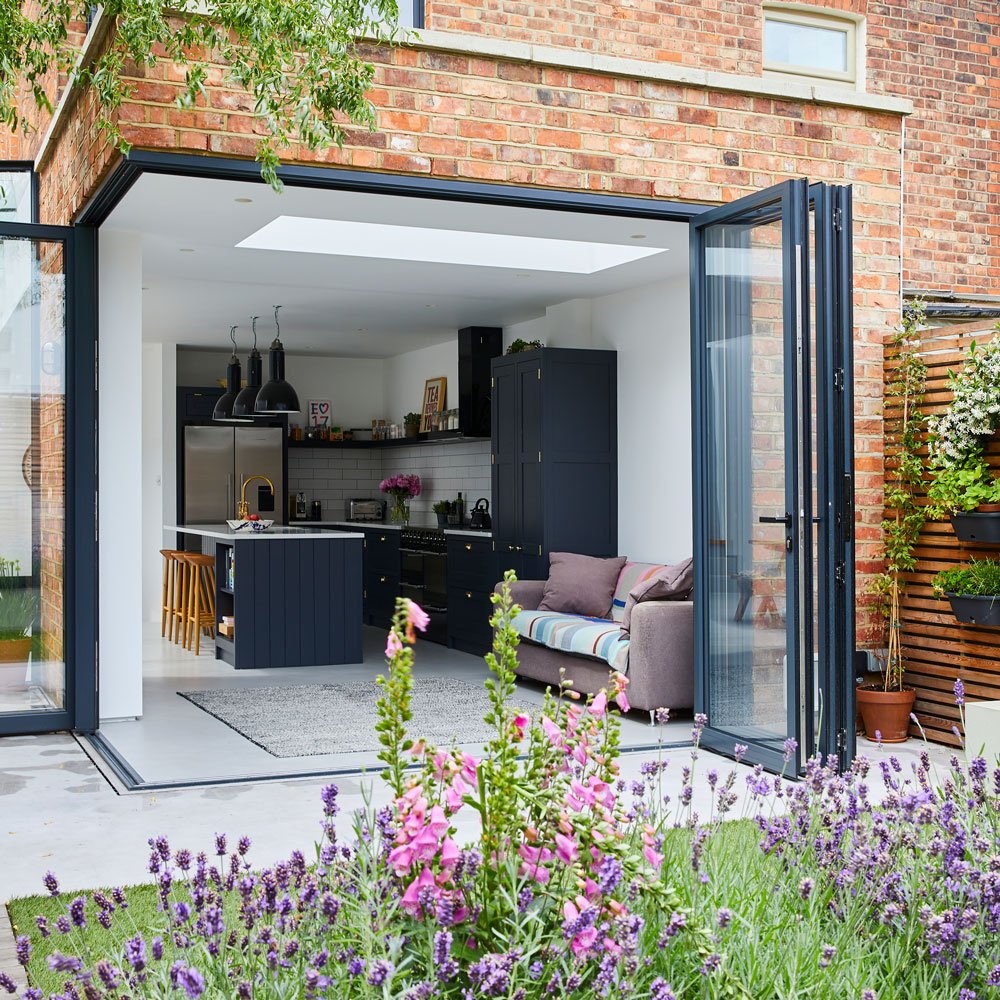
Build brickwork, cladding, or other finishes to match the existing exterior.
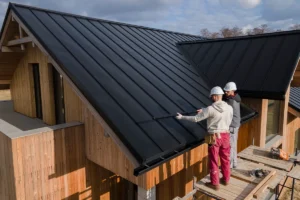
Extend or connect roofing materials seamlessly to prevent leaks and weather issues.
Install energy-efficient windows and secure external doors to complete the structure.
Add insulation for energy efficiency and plasterboard for walls and ceilings.
Install tiles, carpet, or timber flooring as specified in the design.
Paint walls, fit skirting boards, and add trims to match the existing home.
Fit lighting, bathroom fixtures, kitchen joinery, and any other specified fittings.
Verify smoke alarms, wiring, and plumbing are fully compliant with building codes.
Inspect the completed extension with the builder to ensure everything meets requirements.
How Much Does Waterproofing Cost?
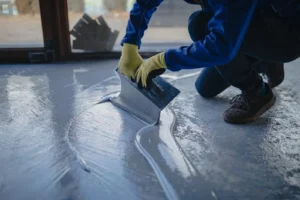
Cost Guides How Much Does Waterproofing Cost? $320 to $1,500