
Excavation Checklist
Secure council or regulatory approvals required for excavation works before starting.
Check project drawings for excavation dimensions, depth, and boundaries.
Locate utilities such as gas, water, electricity, and telecommunications to prevent damage.
Set up fencing, signage, and restricted access areas to protect workers and the public.
Inspect excavators, trucks, and protective systems to ensure they are fit for use.
Test soil type and stability to determine shoring, benching, or sloping requirements.
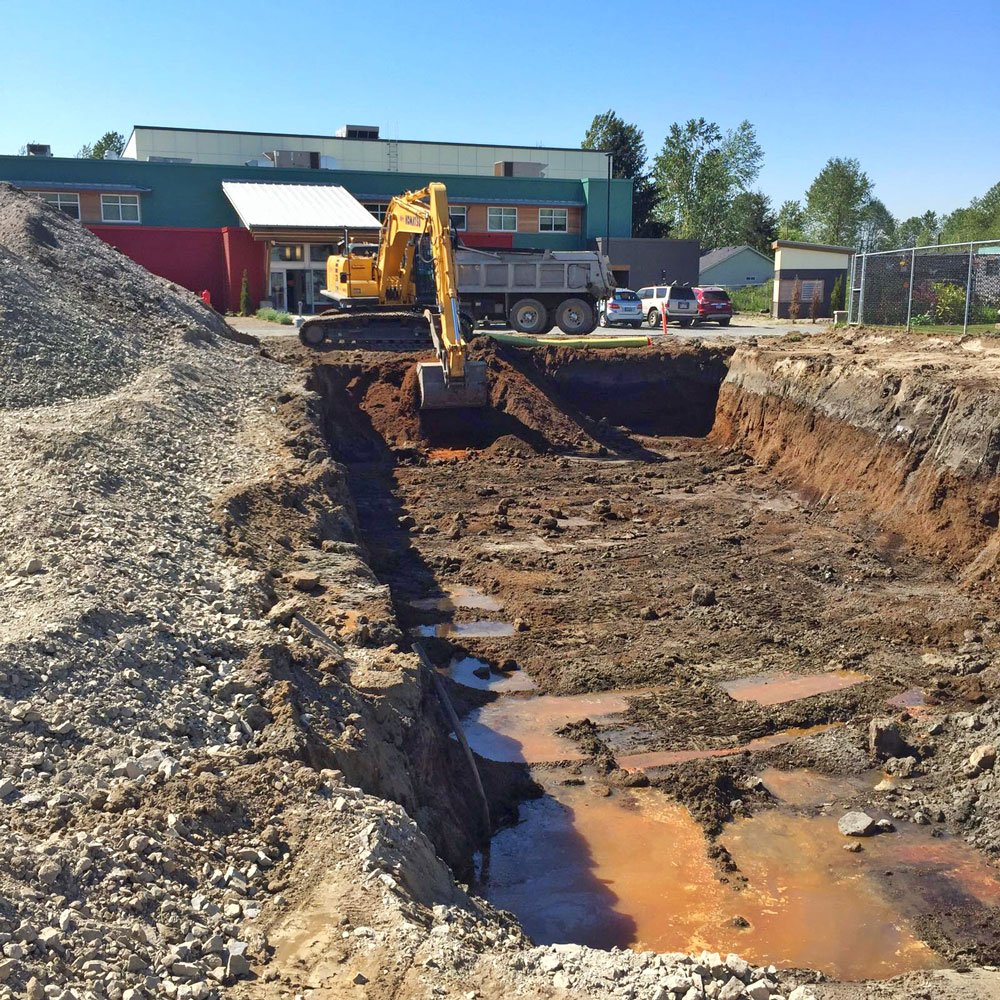
Excavate to the correct depth and dimensions as specified in engineering drawings.
Use shoring, trench boxes, or sloping to prevent cave-ins and ensure worker safety.
Inspect excavation walls regularly for signs of movement, cracks, or water ingress.
Use water sprays, pumps, or barriers to manage dust and groundwater during excavation.
Stockpile excavated material safely, away from edges, and dispose of excess legally.
Identify soil or rock suitable for backfill or reuse in later stages of construction.
Keep haul routes clear for trucks and machinery to prevent congestion and hazards.
Check depth and level accuracy before placing footings or slab formwork.
Ensure subsoil drainage and waterproofing measures are in place before backfilling.
Place backfill material in layers and compact properly to support foundations and prevent settlement.

How Much Does Waterproofing Cost?
Cost Guides How Much Does Waterproofing Cost? $320 to $1,500