
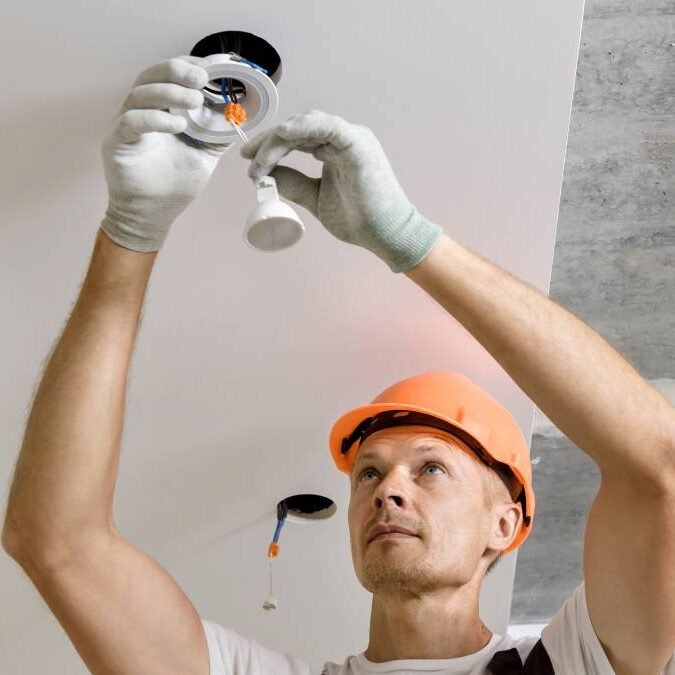
Downlights have become one of the most popular lighting options in modern Australian homes. Sleek, minimal and versatile, they fit neatly into the ceiling and provide a clean, contemporary look that works in living rooms, kitchens, bedrooms and bathrooms. Whether you’re building a new home or renovating, downlights can add both style and functionality, offering everything from soft ambient lighting to bright task lighting.
How much does it cost to install downlights?
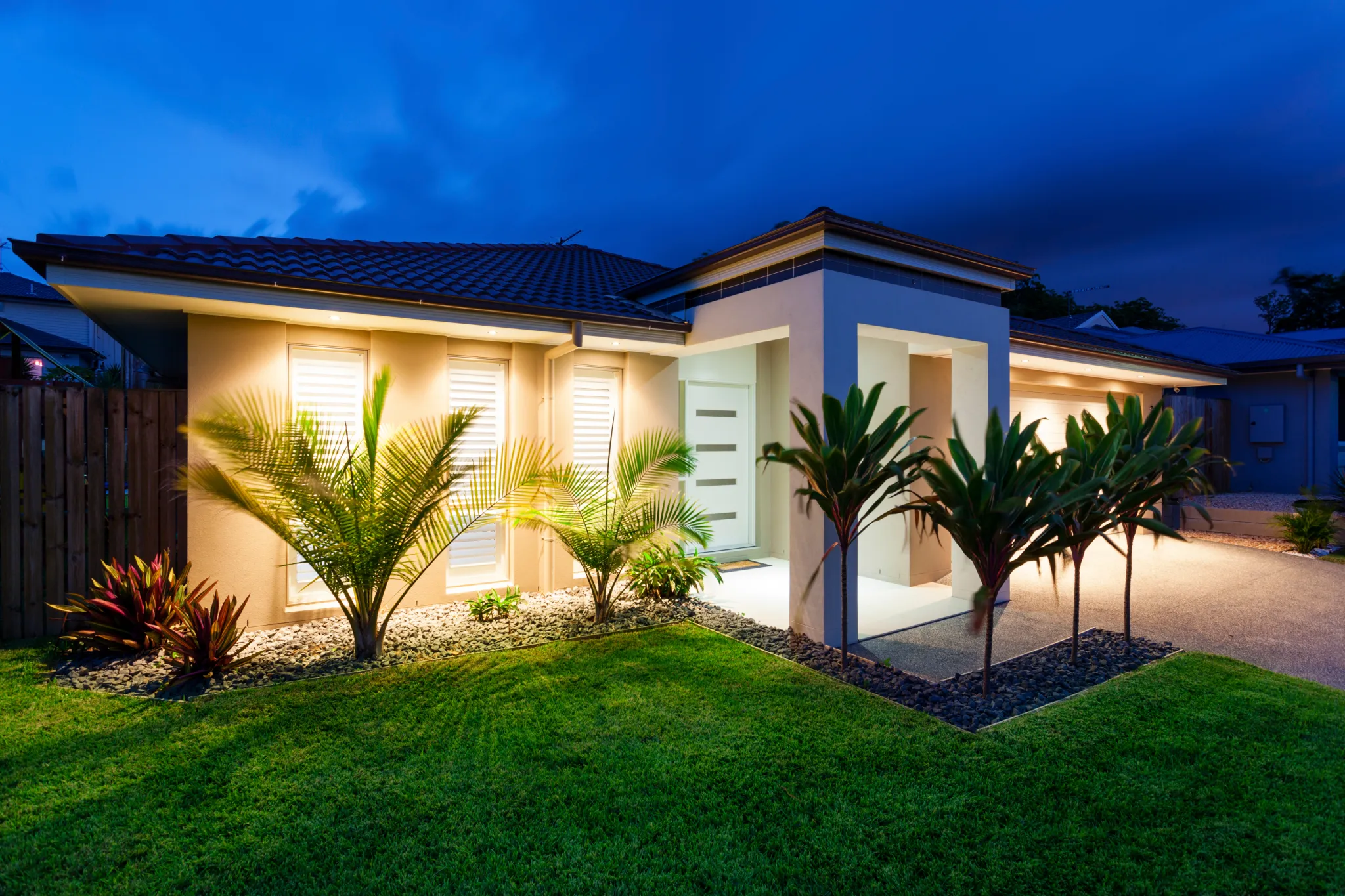
The cost of installing downlights varies depending on the type of light, the number being installed and the complexity of the job. On average, you can expect to pay between $55 and $110 per downlight, which usually includes both the fitting and installation by a licensed electrician. Prices can be lower for simple installations or higher if additional electrical work is required, such as upgrading wiring, adding dimmers or repairing ceilings.
In this guide, we’ll cover everything you need to know about downlight installation costs in Australia, including:
What factors affect the cost of installing downlights
Average prices per downlight and per room
The cost differences between LED, halogen and smart downlights
Hidden and additional expenses you should budget for
The benefits of upgrading to downlights
How to find the right electrician for the job
What Affects the Cost of Installing Downlights?
The cost of installing downlights depends on several key factors. The first is the type of downlight you choose. Traditional halogen downlights are cheaper to buy but less energy-efficient, while LED downlights cost more upfront but last longer and save money on electricity bills. Smart downlights, which can be controlled by phone apps or voice assistants, are at the higher end of the scale due to the technology involved.
The number of downlights being installed also makes a big difference. Electricians usually charge a lower rate per unit when installing multiple downlights at once, so it’s often more cost-effective to upgrade a whole room or several rooms in a single job rather than doing them one at a time.
Installation complexity is another factor. In new builds or homes with easy ceiling access, installation is straightforward and cheaper. Retrofitting downlights into an existing ceiling, however, may require cutting holes, rewiring, patching plaster or upgrading insulation, all of which add to the cost.
You may also need additional electrical work. Adding new switches or dimmers, upgrading your switchboard, or ensuring the wiring meets current safety standards can increase the overall price. Ceiling height and property layout may also affect the amount of time and labour required, which impacts the final bill.
Finally, labour rates vary by location. Electricians in metropolitan areas often charge more than those in regional areas due to higher demand.
In summary, costs are influenced by:
The type of downlight (halogen, LED, smart)
The number of downlights installed
Whether it’s a new build or retrofit installation
Extra electrical work such as switches or wiring upgrades
Local labour rates and site access
Average Cost of Downlight Installation in Australia
When it comes to installing downlights in Australia, costs depend on a mix of materials, labour and job complexity. Below is a general guide to what you can expect to pay, as well as some context around the numbers:
Typical Price Range per Downlight
For a standard LED downlight in a straightforward installation (i.e. retrofit into an existing ceiling, with good access and minimal wiring changes), you’ll often pay $60 to $110 per light (supply + installation).
In some cases, particularly with premium fixtures or complex jobs, costs per light may go even higher.
Service Fees & Hourly Rates
Many electricians will charge a service/call-out fee (e.g. for the first 30 minutes of work). After that, labour typically costs $80 to $110 per hour (or more, in high-cost areas).
For multi-light jobs, the service fee is spread across all units, so your effective cost per light goes down when you install many downlights at once.
Example Costs by Project Size
Replacing or installing a small number (e.g. 4 to 8 lights) in a single room with good access might cost $300 to $800 in total.
Larger jobs—for example, wiring and installing downlights across multiple rooms or in high ceilings—can push costs higher per unit, especially when additional electrical work or ceiling alterations are required.
Special Cases & Lower-Cost Options
Some electricians or suppliers quote very low fixture costs (for the downlight itself) ranging from $5 upward, but labour and installation charges typically dominate the final bill.
In simpler retrofit situations, where you’re just swapping bulbs or replacing an existing downlight with a new LED unit, the cost may trend toward the lower end of the range.
Downlight Costs by Type
The type of downlight you choose will influence both the upfront price and long-term running costs. While halogen lights were once common, most homeowners now prefer LED or smart options due to their efficiency and lifespan.
Halogen downlights are the cheapest to buy but are quickly becoming outdated. They usually cost less than LED to install but consume more electricity and need replacing more often, which makes them more expensive in the long run.
LED downlights are the most popular choice in Australian homes today. They generally cost more upfront than halogen lights but use far less power and last significantly longer, often up to 30,000 hours. A standard LED downlight including installation typically falls in the range of $60 to $110 each.
Smart downlights are a premium option that can be controlled via smartphone apps, remotes or voice assistants. These systems are more expensive, often costing upwards of $100 per light installed, but they offer features such as dimming, colour changes and programmable schedules.
Fire-rated or insulated downlights are designed for safety in homes where insulation is laid across the ceiling. They prevent overheating and reduce the risk of fire. These lights can cost more due to the additional safety features but may be required in certain homes to comply with building standards.
Choosing the right type depends on your budget, energy efficiency goals and the level of control you want over your home’s lighting.
Benefits of Installing Downlights
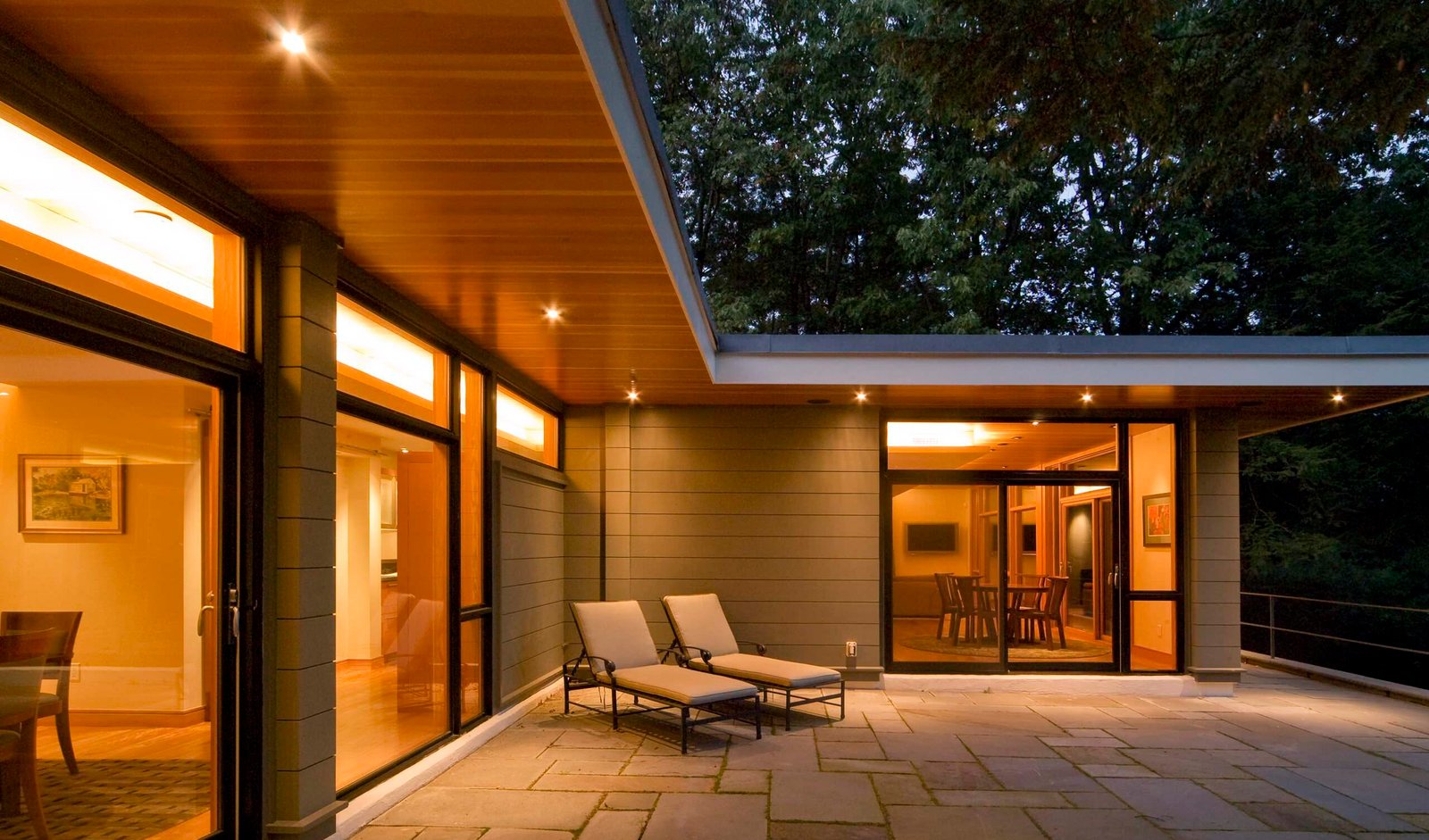
Downlights have become the go-to choice for modern interiors because they combine practicality with style. One of the main benefits is their sleek, unobtrusive design. Unlike traditional fixtures, downlights sit flush with the ceiling, giving a clean, minimal look that suits both contemporary and classic homes.
They also provide flexibility in lighting design. You can position downlights to highlight specific areas, such as kitchen benches or feature walls, or spread them evenly across a room for general illumination. Options like dimmable and smart LED downlights give even more control over the atmosphere in your home.
Another key advantage is energy efficiency. LED downlights use a fraction of the electricity of older halogen lights while producing the same or greater brightness. This not only reduces your power bills but also lowers your household’s environmental footprint.
Downlights are also long-lasting and low maintenance. Quality LEDs can last up to 30,000 hours, meaning fewer replacements and less hassle over time. They also generate less heat, which makes them safer to use in insulated ceilings compared to halogen fittings.
Overall, downlights improve comfort, safety and energy savings, making them a smart investment for both renovations and new builds.
How to Save on Downlight Installation
Although installing downlights can be a significant expense, there are several ways to reduce the overall cost. The most effective is to install multiple downlights in one job. Electricians usually charge less per unit when they can complete a larger project in one visit, so upgrading an entire room or multiple rooms at once will give you better value.
Another way to save is by choosing LED over halogen. While LEDs are more expensive upfront, they consume far less power and last much longer, which means lower electricity bills and fewer replacements in the long term.
It’s also smart to compare at least three quotes from licensed electricians before making a decision. Rates can vary between tradies, and getting multiple quotes ensures you pay a fair price for both materials and labour.
If you’re flexible with timing, consider booking installation during a quieter period, rather than peak times when demand for electricians is highest. Finally, buying downlights in bulk can reduce the unit price, especially if you choose a reputable but cost-effective brand.
With careful planning, you can achieve the look and performance of downlights without overspending.
Finding the Right Electrician for Downlight Installation
Installing downlights is not a DIY job. By law, any electrical work in Australia must be carried out by a licensed electrician, and for good reason — it ensures the job is completed safely, to code and with the right certification. Choosing the right electrician also gives you peace of mind that your new downlights will be installed efficiently, look professional and perform as expected.
When comparing electricians, check that they are fully licensed and insured to work in your state. Ask whether they provide a detailed written quote that clearly outlines the cost of supply, installation and any potential extras. It’s also wise to request references or examples of previous work so you can see the quality of their installations.
Questions you might ask include:
How much do you charge per downlight, including labour and materials?
Is there a call-out or service fee?
Can you install dimmers or smart downlights if needed?
What warranty do you offer on your work?
Finding a reliable electrician doesn’t have to be difficult. The Tradie List makes the process simple by connecting you with trusted, local electricians who are qualified to install downlights in your home. By visiting thetradielist.com, you can compare quotes, check credentials and choose an electrician with confidence. This saves time and ensures your project is handled by a professional who understands both safety and quality.

How Much Does Waterproofing Cost?
Cost Guides How Much Does Waterproofing Cost? $320 to $1,500
How Much Does It Cost To Move Plumbing Fixtures?
Cost Guides How Much Does It Cost To Move Plumbing