
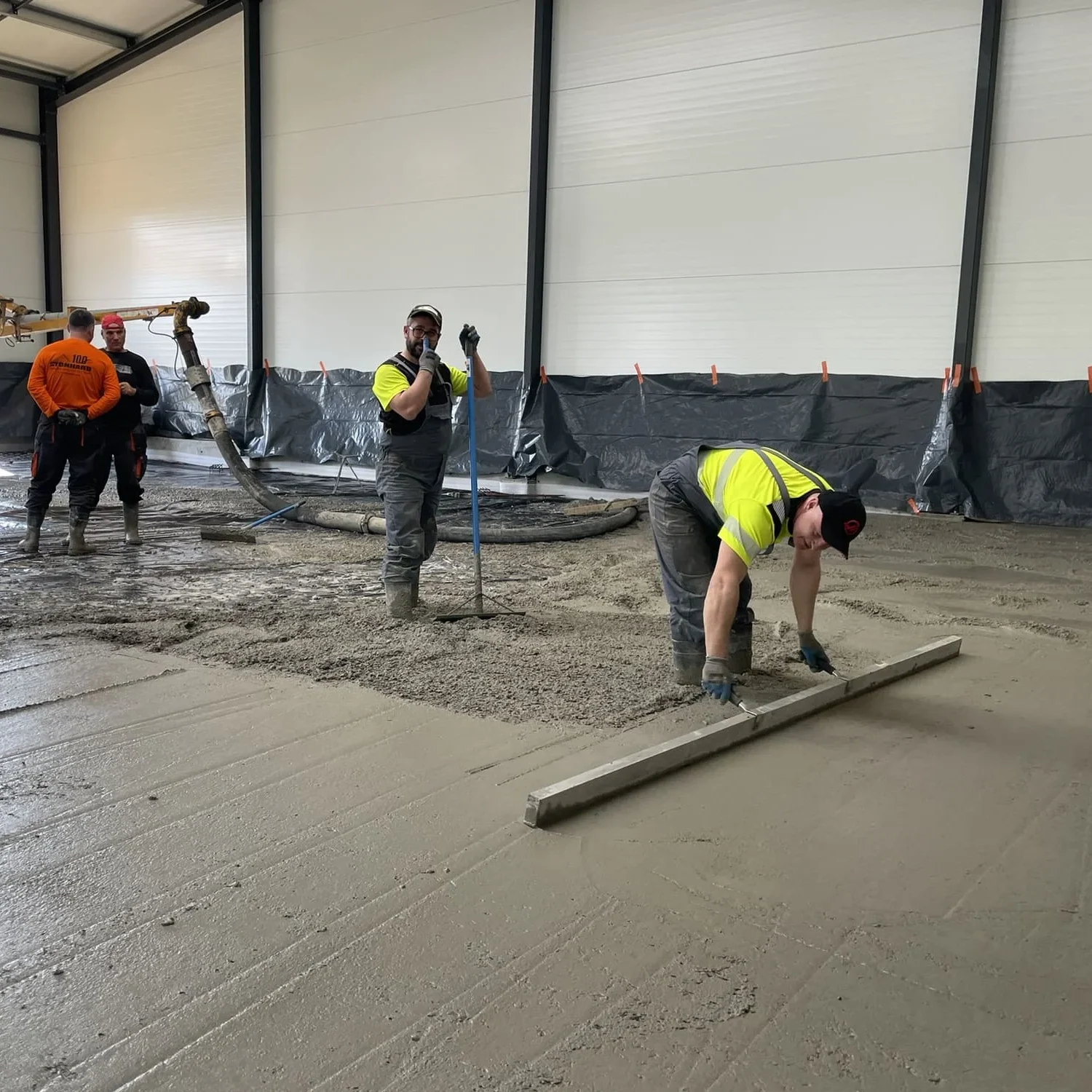
Concrete flooring has become one of the most popular choices for modern Australian homes, and for good reason. Traditionally associated with garages, sheds and driveways, concrete has evolved into a versatile flooring option that suits both indoor and outdoor spaces. Today, homeowners are turning to concrete for kitchens, living rooms, bathrooms, patios and even bedrooms, thanks to advances in polishing, staining and sealing techniques that create a sleek, contemporary look. Beyond its visual appeal, concrete flooring offers unmatched durability. It can withstand heavy foot traffic, spills, scratches and the wear and tear of everyday life, making it a practical solution for families, busy households and commercial properties alike.
Unlike timber or carpet, concrete won’t warp, fade or trap dust and allergens, which makes it an excellent low-maintenance choice. With the right sealant and care, a concrete floor can last decades without needing replacement, saving money over the long term. Another advantage is its design flexibility. Polished concrete can deliver a high-gloss, modern finish, while honed or matte finishes create a softer, understated aesthetic. Decorative options, such as coloured, stamped or epoxy-coated concrete, allow homeowners to achieve unique textures and styles that replicate stone, tiles or even marble.
Concrete also contributes to energy efficiency in the home, as its thermal mass helps regulate indoor temperatures by retaining warmth in winter and keeping interiors cooler in summer. Combined with underfloor heating or solar passive design, it becomes both stylish and sustainable. These qualities explain why concrete flooring continues to grow in popularity across Australia.
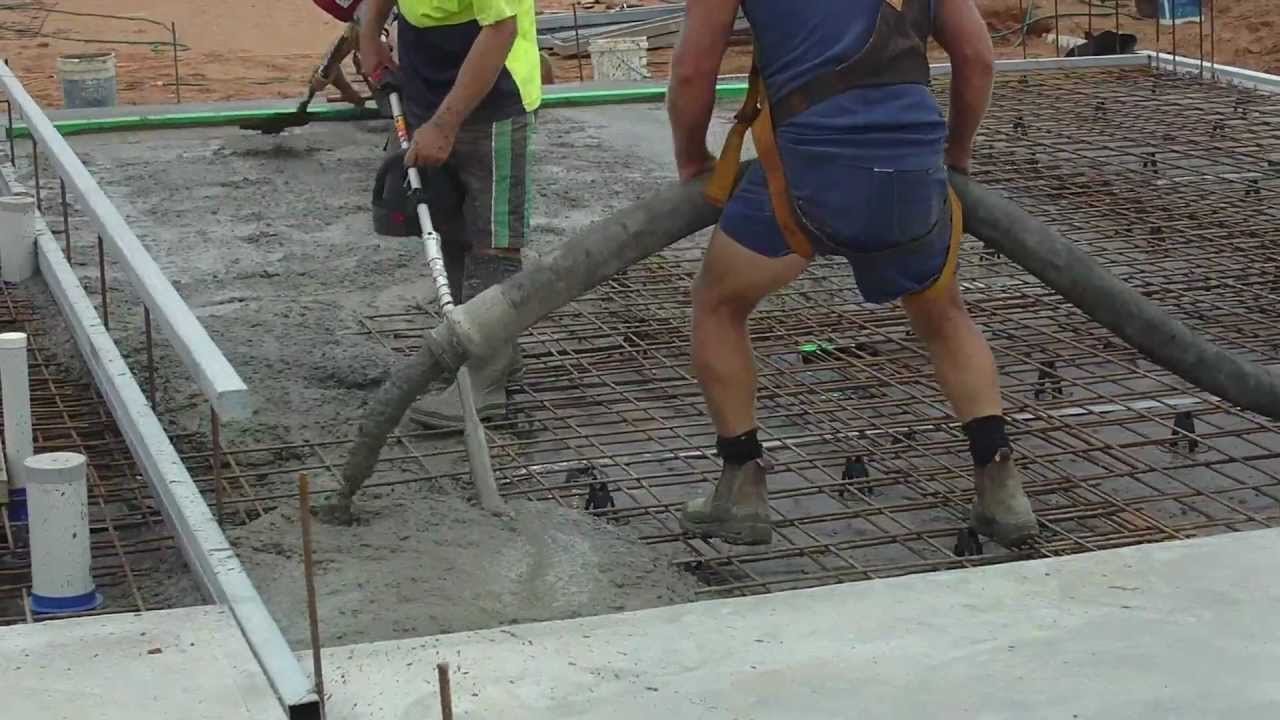
How much does concrete flooring cost?
On average, you can expect to pay between $50 and $150 per square metre, depending on the type of finish you choose, the size of the area and how complex the preparation work is. Polished and decorative finishes usually cost more, while plain concrete is at the lower end of the scale.
In this guide, we’ll cover everything you need to know about concrete flooring costs in Australia, including:
What factors affect the cost of concrete flooring
Average costs by square metre
Price differences between finishes like polished, honed and epoxy
Hidden and additional costs to budget for
The benefits of concrete flooring
How to find the right concreter for your home
What Affects the Cost of Concrete Flooring?
The cost of concrete flooring can vary considerably depending on the type of finish you choose. Standard plain concrete is the most affordable, but if you want polished, stained, coloured or epoxy-coated finishes, expect to pay more. Each style involves different levels of labour, preparation and materials, which directly influence the final price.
The size and layout of your floor area also play a big role in cost. Larger spaces generally cost more overall, but the rate per square metre can sometimes decrease slightly with scale. On the other hand, smaller or irregularly shaped rooms may cost more per square metre, as they require extra labour and attention to detail around edges and corners.
Preparation is another important factor. If the existing surface needs to be removed, if the slab requires levelling, or if cracks need to be repaired before finishing, this will increase costs. The quality of sealants and additives you choose, such as decorative aggregates or stains, can also push the price higher.
Labour rates differ across Australia and can change based on whether you live in a metropolitan or regional area. Access to the site is equally significant. If it’s difficult for contractors to bring in machinery, or if the work requires special equipment, additional fees are likely.
To summarise, the main factors that affect concrete flooring costs include:
The type of concrete finish
The size and shape of the floor area
The amount of preparation required
Material quality and sealants
Labour rates and site accessibility
Average Cost of Concrete Flooring in Australia
On average, concrete flooring in Australia costs between $50 and $150 per square metre, depending on the type of finish and the level of preparation required. Standard plain concrete tends to fall at the lower end of the scale, while polished, honed or decorative finishes are more expensive due to the additional labour and materials involved.
For basic concrete slabs used in garages or outdoor areas, prices generally start from around $50 to $65 per m². This includes the pour but usually doesn’t cover sealing or polishing. For a more refined look, polished concrete is a popular choice and typically costs between $75 and $120 per m², depending on whether you opt for a matte, semi-gloss or high-gloss finish. Decorative options such as stained, coloured or stamped concrete can cost $100 to $150 per m², particularly when complex designs or premium materials are used.
Epoxy-coated concrete is another option that falls within the higher range. Prices usually start from about $80 per m² for simple coatings and can climb well above $120 per m² for decorative finishes or commercial-grade applications.
It’s also worth noting that residential installations may be cheaper per square metre than smaller, one-off projects. Large, open spaces are quicker and easier to finish, whereas compact or awkwardly shaped areas often require more labour, which pushes up the cost.
These figures should be used as a guide only. The final cost will depend on the size of your space, the finish you choose and the complexity of the job.
Concrete Flooring Costs by Finish
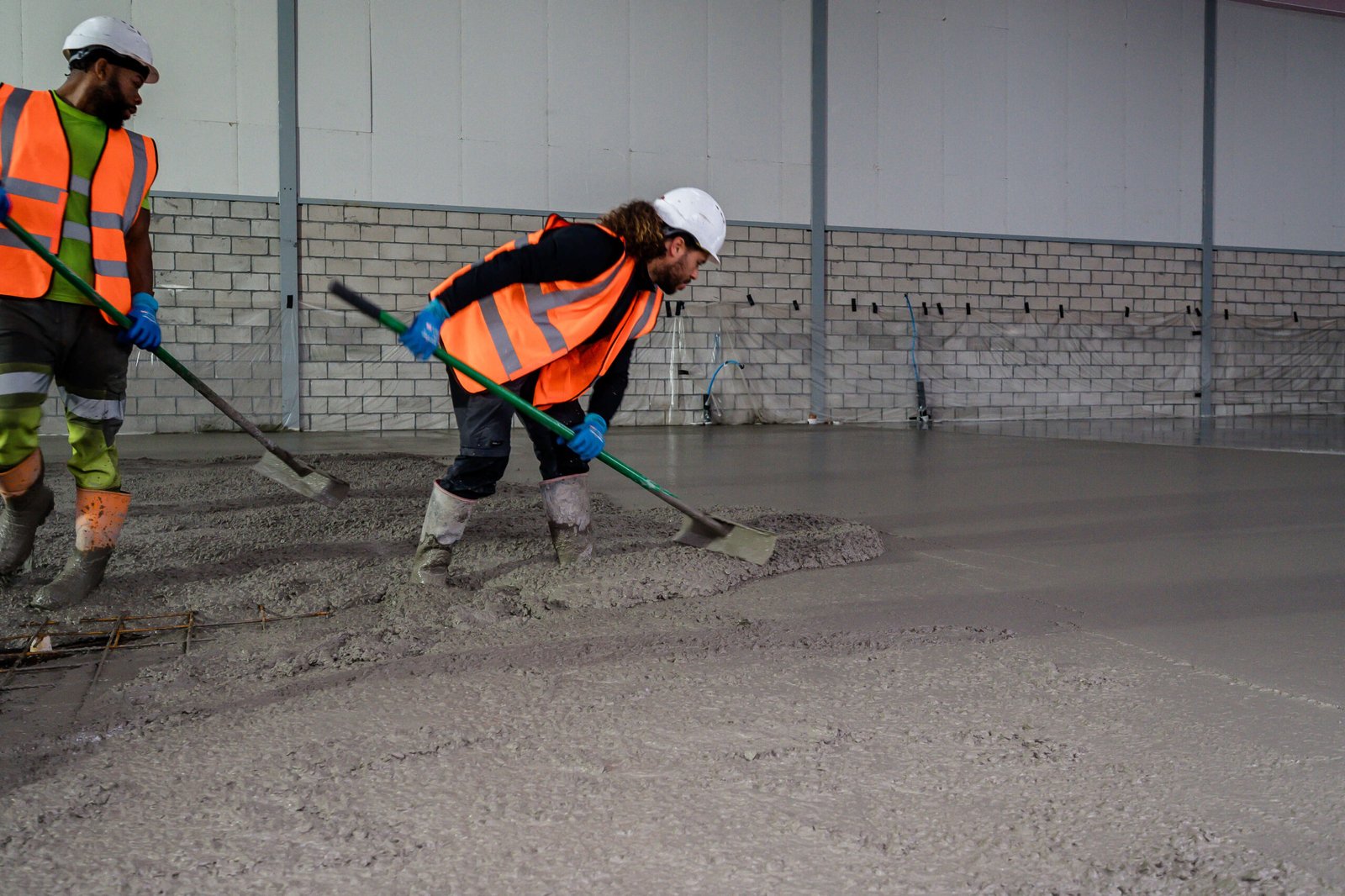
Not all concrete floors are the same, and the finish you choose will have the biggest impact on the overall cost. From simple plain slabs to polished and decorative options, here’s what you can expect to pay for different finishes in Australia.
Plain concrete is the most budget-friendly option, typically costing $50 to $65 per m². This is common in garages, sheds or outdoor areas where appearance is less important, but durability is still required.
Polished concrete is one of the most popular finishes for modern homes. It offers a sleek, glossy look that works well in living rooms, kitchens and even bathrooms. Depending on the level of sheen you choose, polished concrete costs between $75 and $120 per m². High-gloss finishes are at the higher end of the scale, as they require more grinding and polishing work.
Honed concrete provides a matte finish that’s smoother than plain concrete but not as shiny as polished. It’s often used for outdoor spaces such as patios and pool surrounds. Costs typically range from $60 to $100 per m².
Epoxy-coated concrete is widely used in garages, workshops and commercial spaces due to its hard-wearing, stain-resistant qualities. Prices generally start around $80 per m² and can exceed $120 per m² for decorative or multi-layer epoxy finishes.
Coloured or stained concrete allows you to add design elements and customise the look of your floor. This can range from subtle earthy tones to bold colours and patterns. Expect to pay between $100 and $150 per m², depending on the complexity of the design and the materials used.
By comparing finishes, you can balance cost, style and practicality to choose the best option for your home or project.
Hidden & Additional Costs
When budgeting for concrete flooring, it’s important to consider expenses that may not appear in the initial quote. Preparation work is often one of the biggest variables. If your existing floor needs to be removed, or if the concrete slab requires levelling, crack repairs or sealing before finishing, these tasks can add significantly to the cost.
Access can also affect the price. If contractors need to work in a tight space, transport concrete over long distances on site, or bring in specialised machinery, labour fees are likely to rise. Decorative finishes, sealants and protective coatings are additional extras that increase costs but are often essential for long-term durability.
Other hidden costs may include:
Removing and disposing of old flooring materials
Travel or call-out fees, particularly in regional areas
Ongoing maintenance such as resealing every few years
Factoring in these expenses early will help you avoid unpleasant surprises once the work begins.
Benefits of Concrete Flooring
Concrete flooring offers a wide range of benefits that go beyond its initial cost. Durability is one of its biggest advantages. A properly installed and sealed concrete floor can last decades, even in high-traffic areas, without the need for major repairs. Unlike timber, it won’t warp, and unlike carpet, it won’t trap dust, dirt or allergens.
Another key benefit is design versatility. From high-gloss polished finishes to coloured, stained or textured surfaces, concrete can be tailored to suit almost any interior style. Decorative options can replicate the look of natural stone or tiles while remaining more affordable and durable.
Concrete is also energy-efficient. Its natural thermal mass helps stabilise indoor temperatures by absorbing heat during the day and releasing it slowly at night. This can reduce reliance on heating and cooling systems and lower energy bills.
Finally, concrete floors are low maintenance. Occasional sweeping and mopping, along with periodic resealing, are usually enough to keep them looking good for years to come.
How to Save on Concrete Flooring Installation
While concrete flooring is already cost-effective compared to many alternatives, there are still ways to reduce expenses. One of the best strategies is to compare multiple quotes. Prices can vary between contractors, so obtaining at least three detailed quotes will give you a clear sense of what is fair and reasonable.
Choosing the right finish for your needs is another way to save. For example, if your main priority is durability in a garage or shed, plain concrete may be the most economical choice. In contrast, polished or decorative finishes are worth the investment in living areas where appearance matters most.
Timing can also make a difference. Scheduling work during quieter periods for contractors, rather than peak building season, may result in more competitive pricing.
Finally, proper maintenance helps you save in the long run. Sealing your floor regularly and addressing small issues promptly can prevent costly repairs and extend the life of your flooring.
Finding the Right Concrete Flooring Specialist
Concrete flooring requires skill and experience to achieve a professional result. From pouring and levelling the slab to applying polished or decorative finishes, every step needs to be carried out with care to ensure the floor is durable, attractive and long-lasting. That’s why it’s important to hire a licensed and experienced concreter rather than trying to cut corners with cheap or unqualified labour.
When choosing a concreter, start by checking that they hold the necessary licences and insurance to carry out the work in your state. Ask for examples of previous projects, particularly if you’re looking for polished or decorative finishes, as these require a higher level of expertise. A detailed written quote should also be provided, clearly outlining what’s included and whether there are any potential additional charges.
It’s also a good idea to ask questions such as:
How long will the project take from preparation to finish?
What type of sealants or coatings will be applied?
Do you offer warranties on workmanship or materials?
How often will the floor need resealing or maintenance?
Finding the right concreter doesn’t have to be difficult. The Tradie List can help you connect with trusted, local concrete flooring specialists quickly and easily. By visiting thetradielist.com, you can compare multiple quotes, check qualifications and choose a concreter who has the right skills for your project. This saves you time, reduces stress and gives you confidence that your new concrete floor will be completed to a high standard.
How Much Does Waterproofing Cost?
Cost Guides How Much Does Waterproofing Cost? $320 to $1,500
How Much Does It Cost To Move Plumbing Fixtures?
Cost Guides How Much Does It Cost To Move Plumbing