
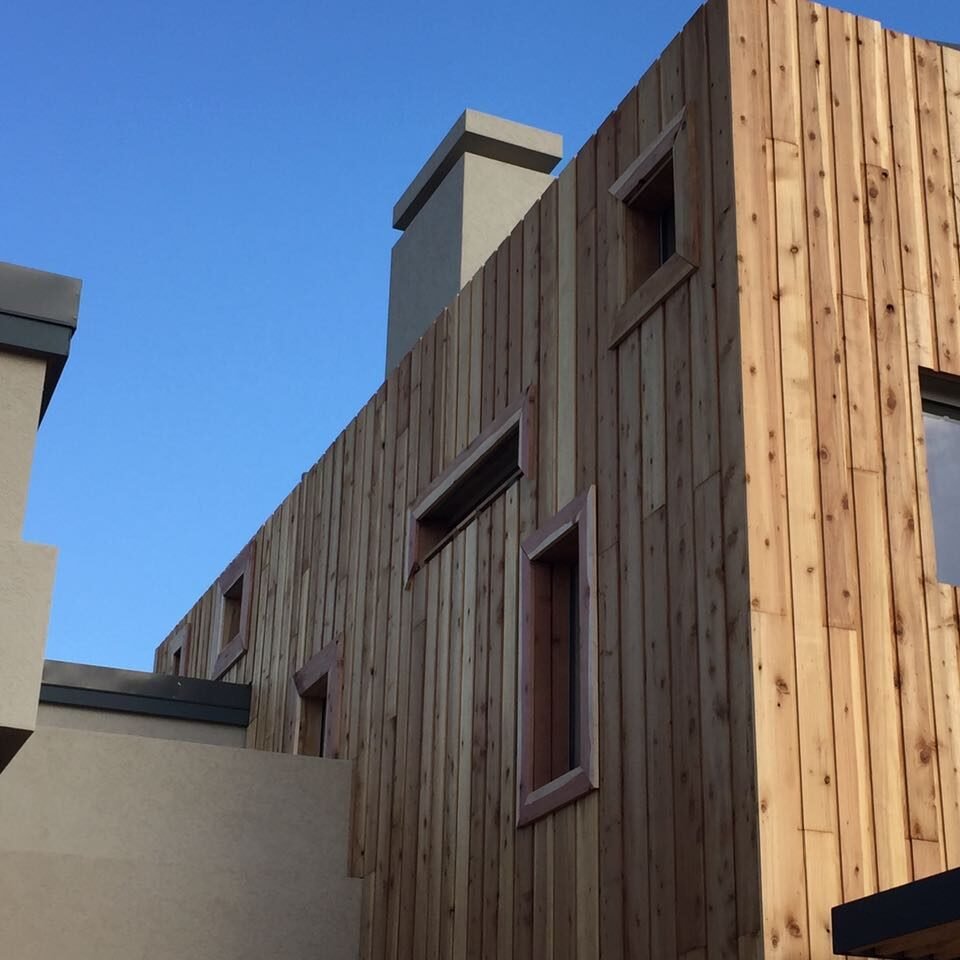
Cladding is one of the most effective ways to update the exterior of a home, offering both protection and style. It acts as a barrier against the elements, improves insulation, and gives a property a fresh new look. With a wide range of materials available — from budget-friendly vinyl to premium timber, stone, or Colorbond — cladding suits different tastes, budgets, and architectural styles.
But how much does cladding cost in Australia? Prices vary widely depending on the material, the size of the home, and the complexity of the installation. Whether you’re renovating an older property or building from scratch, understanding the costs upfront helps you budget more effectively and choose the right option for your needs.
In this guide, we’ll explore the factors that affect cladding costs, provide average price ranges, and share tips on how to save money while still achieving a durable and attractive finish.
What Factors Affect Cladding Costs?
Several key factors determine the overall cost of cladding a home:
Size of the property – Larger homes or bigger wall areas naturally require more materials and labour, which increases the total cost.
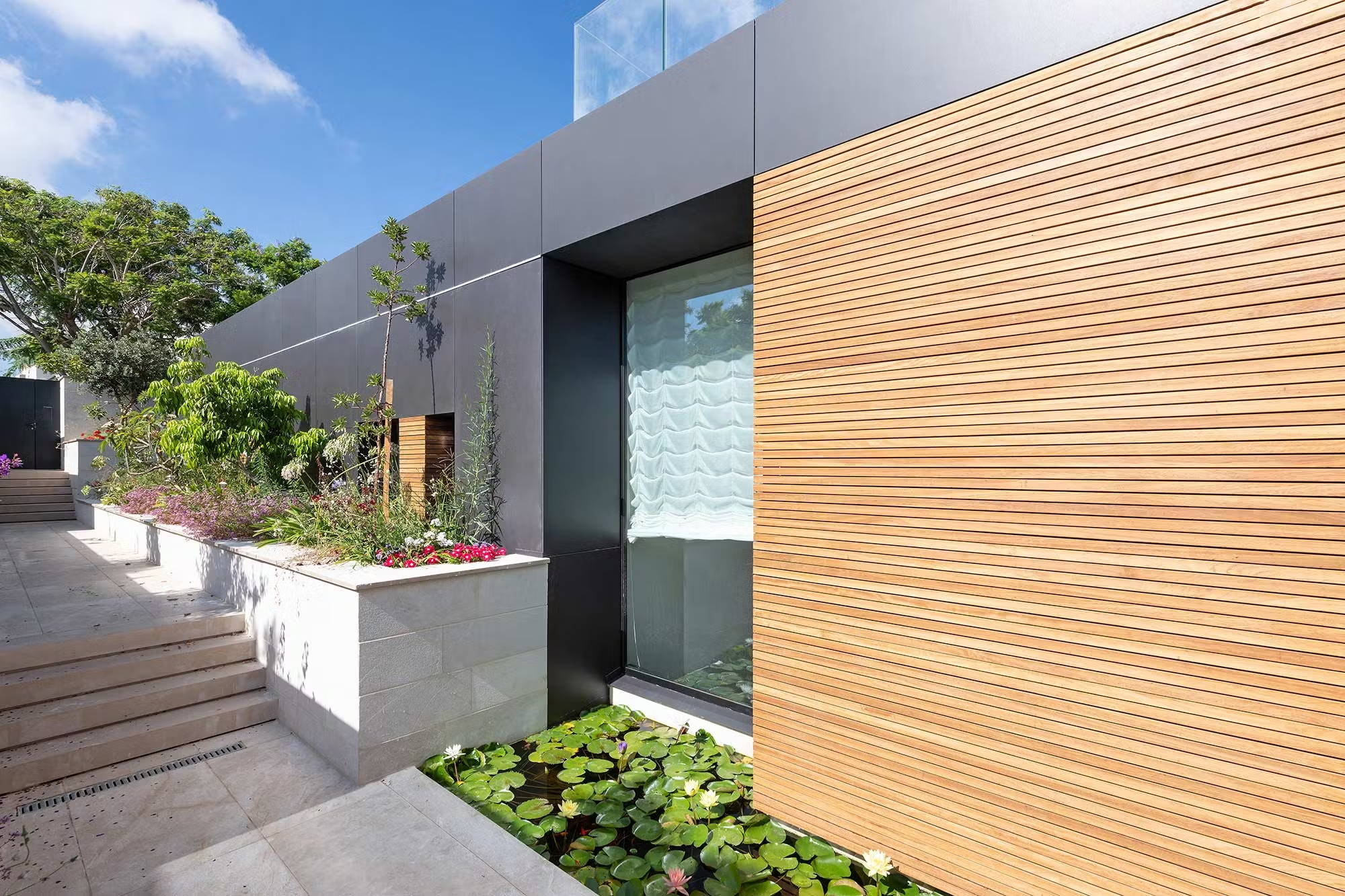
Type of cladding material – Vinyl and fibre cement are generally more affordable, while timber, stone, and metal cladding are at the higher end of the price range. Each material has its own advantages in terms of durability, maintenance, and aesthetics.
Quality and finish – Premium finishes, special coatings, or custom colours add to costs. For example, painted or stained timber requires extra work compared to untreated options.
Labour rates and location – Labour costs differ between metropolitan and regional areas, with city projects usually costing more due to higher demand.
Complexity of design – A simple single-storey home is cheaper to clad than a multi-level house with angled walls, intricate details, or unique architectural features. Complex installations require more time and skill, which increases labour charges.
Site preparation and accessibility – If old cladding needs to be removed, if the walls require repairs, or if scaffolding is needed, costs will rise. Homes that are difficult to access (such as those on sloping blocks) may also attract higher labour fees.
Insulation and extras – Many homeowners choose to install insulation behind new cladding. While this adds upfront costs, it improves energy efficiency and can save money in the long term.
Average Cladding Costs in Australia
Cladding prices in Australia are usually quoted per square metre, and the total cost will depend on the material chosen, the home’s size, and the complexity of the installation. As a rough guide, here’s what you can expect:
Budget cladding: $30 – $60 per m² (vinyl, basic fibre cement).
Mid-range cladding: $60 – $120 per m² (timber, composite, Colorbond).
Premium cladding: $120 – $250+ per m² (stone, brick veneer, high-end timber).
For an average home, full cladding installation can cost anywhere from $10,000 – $35,000 or more, depending on the total wall area and chosen material.
Cladding Cost Breakdown by Material Type
Each cladding material comes with its own pros, cons, and price point:
Timber Cladding
Cost: $80 – $150 per m².
Natural, stylish, and popular for its warmth and appeal.
Requires regular maintenance (painting or staining) to prevent weather damage.
Vinyl Cladding
Cost: $30 – $60 per m².
One of the cheapest options, lightweight and easy to install.
Low maintenance but not as durable or premium-looking as other materials.
Metal/Colorbond Cladding
Cost: $70 – $130 per m².
Durable, weather-resistant, and available in a variety of colours.
Requires minimal maintenance and suits modern home designs.
Brick Veneer Cladding
Cost: $120 – $200 per m².
Strong, classic look that adds long-term value.
Higher upfront cost but excellent durability and fire resistance.
Stone or Stone-Look Cladding
Cost: $150 – $250+ per m².
Premium option that delivers a high-end, natural finish.
Heavy and labour-intensive to install, increasing overall costs.
Fibre Cement / Composite Cladding
Cost: $60 – $100 per m².
Versatile, durable, and available in various textures (including timber-look).
Resistant to termites and rot, with lower maintenance needs.
Hidden or Additional Costs
While cladding costs are usually quoted per square metre, there are often extra expenses to consider. If you’re replacing old cladding, removal and disposal fees can add significantly to the overall price. In some cases, the underlying structure may require repairs to framing, insulation, or sheathing before new cladding can be installed.
Homes with multiple storeys or difficult access points may require scaffolding or specialised equipment, increasing labour costs. For timber cladding, you should also budget for painting, staining, or sealing at installation and periodically throughout its lifespan. Finally, don’t forget smaller costs such as waste removal, delivery fees, and site preparation, which are not always included in initial quotes.
Benefits of Adding or Replacing Cladding
Installing or upgrading cladding offers multiple benefits that go beyond appearance. First, it provides an added layer of protection against the elements, shielding your home from wind, rain, and UV exposure. High-quality cladding can also improve insulation, reducing heating and cooling costs year-round.
From a design perspective, cladding dramatically boosts kerb appeal by modernising the exterior. This can make your property more attractive to buyers and potentially increase resale value. Many modern cladding materials are also low-maintenance, meaning less time and money spent on upkeep compared to older or painted surfaces.
With the wide range of styles available — from sleek Colorbond to natural timber or premium stone — cladding gives homeowners the flexibility to match or transform their home’s architectural style.
How to Save on Cladding Costs
If you’re working with a tight budget, there are several strategies to keep cladding costs under control. One effective approach is to choose cost-effective materials such as vinyl or fibre cement instead of premium stone or hardwood. These options still provide durability and visual appeal without the high price tag.
Keeping the design simple will also reduce labour costs. Multi-storey homes, angled walls, and custom details require more time and skill to install, so opting for straightforward layouts can save money.
Bundling cladding installation with other exterior projects — such as painting, insulation, or roof work — can reduce overall labour costs. And as with any home improvement, it’s important to compare multiple quotes from licensed cladding installers to ensure you’re getting the best value for your budget.
Finding the Right Cladding Installer
Cladding is a major investment in your home’s exterior, so choosing the right installer is essential to ensure durability, energy efficiency, and a flawless finish. Poor installation can lead to leaks, reduced insulation performance, or premature wear — costing you more in the long run.
When selecting a cladding installer, consider the following:
Licensing and insurance – Always check that your installer is licensed in your state and holds the appropriate insurance.
Experience with your chosen material – Not all cladding types are the same. An installer experienced with timber may not be the best choice for metal or stone cladding, so ask about their specific expertise.
Detailed quotes – Request an itemised quote that covers materials, labour, site preparation, scaffolding, and any extras like insulation or sealing.
Warranties and guarantees – Check if both the cladding product and the workmanship are covered under warranty.
Reviews and references – Look for testimonials from past customers and ask to see examples of completed projects.
To make the process easier, The Tradie List connects homeowners with licensed, trusted cladding installers. By visiting thetradielist.com, you can compare multiple quotes, read reviews, and confidently choose the right professional for your project.
How Much Does Waterproofing Cost?
Cost Guides How Much Does Waterproofing Cost? $320 to $1,500
How Much Does It Cost To Move Plumbing Fixtures?
Cost Guides How Much Does It Cost To Move Plumbing