

Home CCTV Requirements Checklist
Walk around your property to determine vulnerable areas such as entry points, garages, backyards, or blind spots. Define your main goals—deterrence, monitoring, or evidence collection.
Review privacy laws and council guidelines about recording in residential areas. Ensure cameras do not infringe on neighbours’ privacy or public spaces without permission.
Choose between wired, wireless, or hybrid CCTV systems based on your budget, home layout, and desired level of reliability.
Select camera types that fit each area—dome cameras for indoor coverage, bullet cameras for outdoor monitoring, and PTZ cameras for wide-angle surveillance.
Opt for at least 1080p HD resolution with infrared night vision or colour night vision to capture clear images day and night.
For outdoor cameras, ensure they have proper IP ratings (IP66 or higher) to withstand rain, dust, and extreme temperatures.
Decide if you require cameras with built-in microphones or two-way audio for communication and added security features.
For wired systems, map cable runs through walls or ceilings. For wireless systems, check Wi-Fi coverage in camera locations to prevent signal loss.
Confirm power outlets or PoE (Power over Ethernet) options are available where cameras will be installed. Avoid overloading existing circuits.
Decide between local storage (DVR/NVR with hard drives) or cloud storage. Ensure capacity is sufficient for the number of cameras and desired recording history.
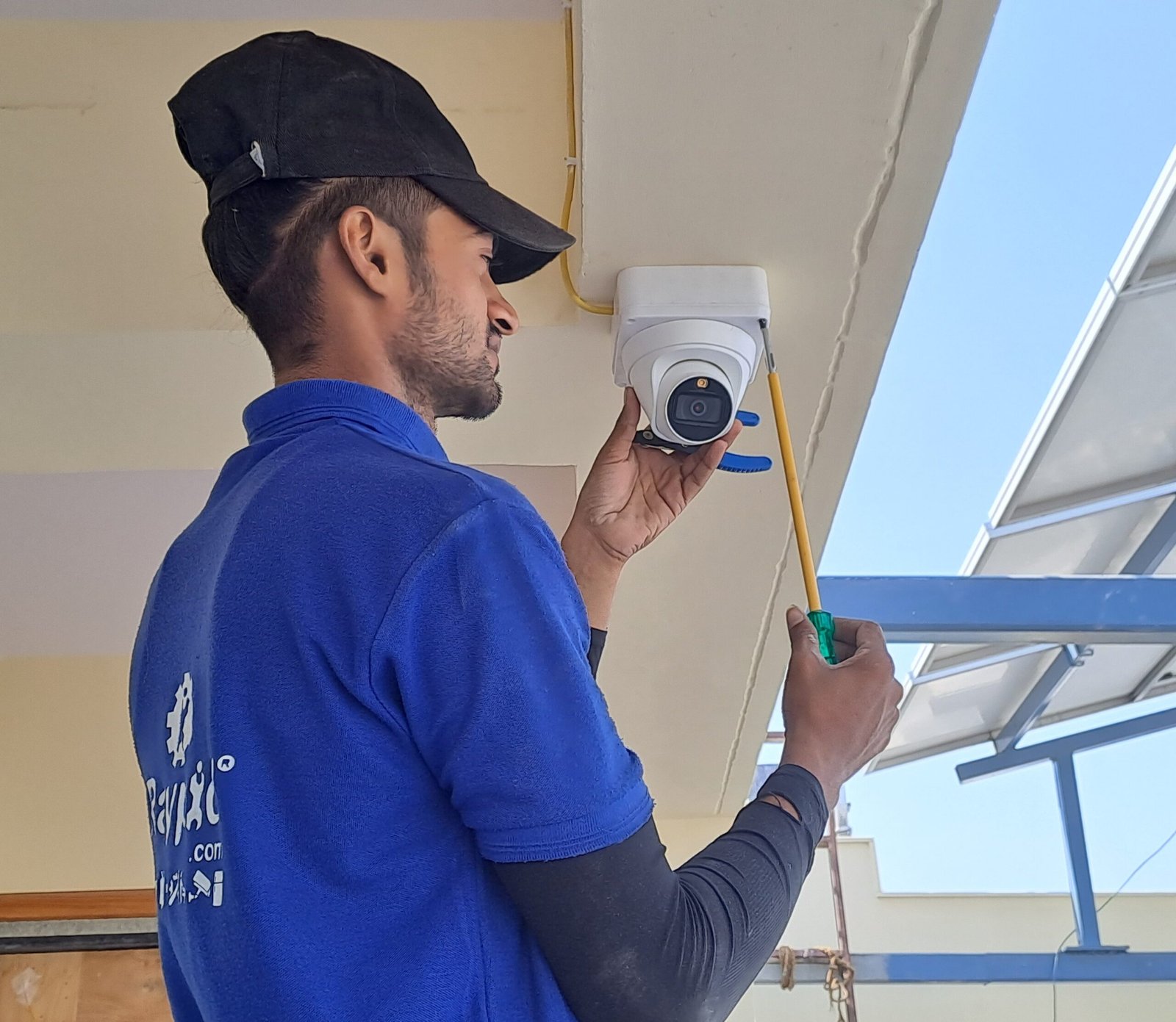
Position cameras at least 2.5 metres above ground to prevent tampering, angled to cover entryways, driveways, and high-risk areas without obstruction.
Test camera angles to ensure wide coverage while minimising blind spots. Avoid pointing cameras directly at bright lights or the sun.
Install DVR or NVR units in a locked cabinet or concealed area to protect recorded footage from tampering or theft.
Set up continuous recording, motion detection, or scheduled recording modes depending on your needs and storage capacity.
Enable mobile or web apps for live streaming and alerts. Secure access with strong passwords and two-factor authentication where possible.
Check that motion alerts, push notifications, and email warnings are working correctly and reaching the right devices.
Ensure everyone in the household knows how to arm, disarm, and monitor the system responsibly.