
Tiling Cost Calculators
Our estimate
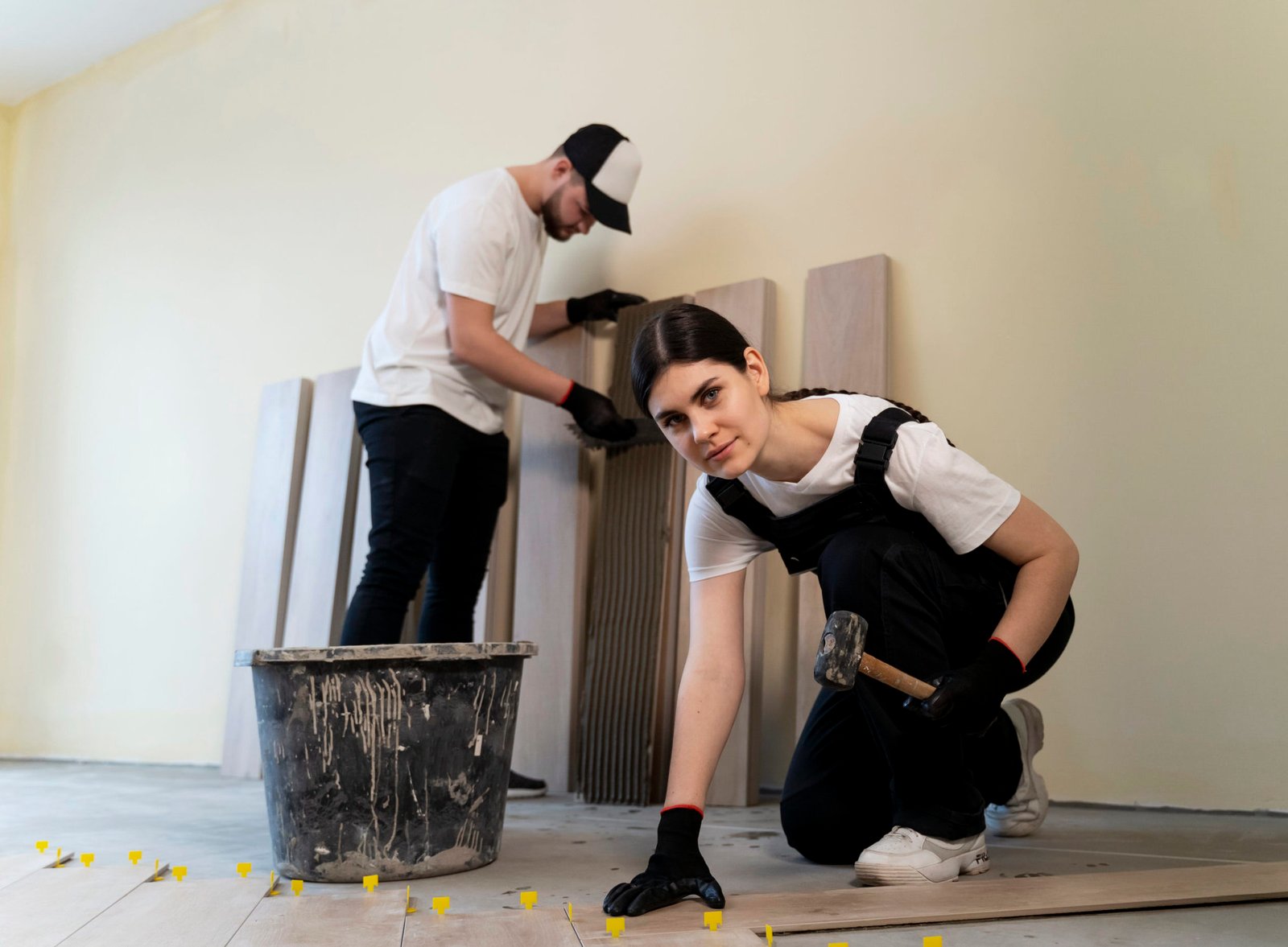
Tiling Cost Calculator – How Much Does Tiling Cost in Australia?
Tiling is one of the most versatile and attractive ways to finish floors, walls, splashbacks, bathrooms, and even outdoor areas. Whether you’re installing ceramic tiles in your kitchen, porcelain in your bathroom, or marble in your entryway — tiling adds style, durability, and value to your home.
But how much does tiling actually cost? Use our Tiling Cost Calculator to get a quick estimate based on your project’s size and chosen tile type. Whether you’re renovating a single room or tiling your entire home, this tool helps you plan your budget confidently.
Note: The calculator provides a general cost estimate based on average supply and installation rates. Complex layouts, substrate preparation, or premium tiles may affect the final quote.
How to Estimate the Cost of Tiling
Tiling is usually quoted per square metre, but the total cost depends on:
The size of the area (floor or wall)
The type and size of the tiles
The complexity of the installation
Labour rates and prep work
To get a quick price, simply enter your area size and tile preference in the calculator above.
Step 1: Factors That Affect Tiling Costs
Several key elements impact the final price of your tiling project. Here’s what you need to consider:
1. Area Size (in m²)
Tilers charge by the square metre, so the size of your floor or wall is the main cost driver. Larger areas typically result in higher material and labour costs, but you may get better value per m².
2. Tile Type and Material
Different tile materials have different costs — both in supply and installation. Here’s a quick breakdown:
Ceramic tiles: Budget-friendly, easy to install
Porcelain tiles: Harder, more durable, slightly more expensive
Natural stone (e.g. marble, travertine): Premium price and higher labour costs
Mosaic or feature tiles: Expensive per m² due to complexity
Large-format tiles: Fewer grout lines but harder to handle and cut
Also consider tile thickness, texture, and finish (e.g. matte, gloss, non-slip).
3. Installation Complexity
Straightforward jobs cost less. But if your tiles require mitred edges, diagonal patterns, curved cuts, or tight spaces (like behind toilets), labour costs increase.
4. Surface Prep & Waterproofing
New builds may require less prep, but older homes may need waterproof membranes, levelling, screeding, or wall lining — especially in wet areas like bathrooms.
5. Labour & Tiler Expertise
Highly skilled tilers charge more — usually $45 to $100 per m² depending on job type, complexity, and location. Professional waterproofing may be an added cost.
Step 2: Measure Your Tiling Area
Use a tape measure or floor plan to calculate the total area in square metres.
Floor Tiling:
Length × Width = Area (in m²)
Example:
Bathroom floor: 3m × 2m = 6m²
Wall Tiling:
Measure the height × width of each wall, then add them together.
💡 Tip: Add 10% extra to your total area for offcuts, breakage, and pattern matching.
Step 3: Average Tiling Costs in Australia (Per m²)
Below is a general pricing guide for tiling projects:
| Tile Type / Service | Avg. Cost per m² |
|---|---|
| Ceramic tiles (supply + lay) | $60 – $90 |
| Porcelain tiles | $70 – $120 |
| Mosaic tiles | $90 – $150 |
| Natural stone tiles (e.g. marble, travertine) | $120 – $200 |
| Outdoor tiling (non-slip tiles) | $80 – $130 |
| Tile installation only | $45 – $100 |
| Waterproofing membrane | $25 – $40 |
These prices include materials and standard installation. Premium tiles, feature walls, and tricky layouts may cost more.
Example Estimate
If you’re tiling a 10m² kitchen floor with porcelain tiles at $90/m²:10 × 90 = $900
If you’re adding wall tiles to a 12m² bathroom wall at $75/m²:12 × 75 = $900
Total estimate = $1,800, plus any extras like waterproofing, grouting, or sealing.
Step 4: Don’t Forget These Additional Costs
Beyond materials and tile laying, several other costs can impact your project:
Waterproofing (Bathrooms, Laundries)
Required in wet areas. Adds $25–$40/m², but is essential to prevent leaks.
Substrate Levelling or Screeding
If the surface is uneven, levelling compound or screed may be needed. Expect $20–$50/m².
Tile Removal & Disposal
Removing old tiles, adhesive, or flooring may cost $20–$40/m² depending on difficulty.
Grout & Sealants
Grouting is usually included in the labour price, but natural stone or porous tiles may require sealing — at $5–$15/m².
Trim, Edging & Finishing
Metal trims, expansion joints, or caulking may add $100–$500 depending on detail and size.
Step 5: Get Quotes from Tilers
Once you have a rough estimate, get at least 3 professional quotes for accurate pricing. A detailed quote should include:
Material type and m² required
Labour rate per m²
Surface preparation work
Waterproofing requirements
Completion timeframe
Warranty or insurance coverage
Make sure your chosen tiler is licensed, insured, and experienced in the type of project you’re planning.
Repair vs Re-tiling: Which One Do You Need?
Minor Repairs Are Suitable If:
Only a few tiles are cracked or chipped
Grout is discoloured or damaged
Waterproofing membrane is intact
Full Retiling is Best When:
Multiple tiles are loose, lifting, or cracked
Grout issues are widespread
Style is outdated or doesn’t suit the space
You’re renovating bathrooms or wet zones
FAQ – Tiling Costs in Australia
How much does tiling cost per m²?
Tiling costs range from $60 to $200 per m², depending on tile type, location, and complexity.
What is the cheapest tiling option?
Ceramic tiles are generally the most affordable, both in terms of supply and installation.
Do tilers charge per hour or per square metre?
Most tilers charge per square metre, though hourly rates apply for small repairs or prep work.
Do I need waterproofing before tiling?
Yes — waterproofing is essential in bathrooms, laundries, and wet zones. It’s also legally required in most Australian states.
Can I tile over existing tiles?
In some cases, yes — if the existing surface is flat, sound, and properly cleaned. But it may raise floor height and is not always ideal.
Estimate Your Tiling Project with Confidence
Use our free Tiling Cost Calculator to get a quick budget estimate for your renovation or new build. Just input your total area and tile preference to calculate your materials and installation cost in seconds.
Then, reach out to trusted, licensed tilers to get accurate quotes and professional service.