
Building Construction Checklist
Work with architects and engineers to complete detailed drawings and specifications before construction begins.
Obtain all necessary building approvals, council permits, and regulatory compliance documents.
Establish clear cost estimates, timelines, and contingency allowances to avoid overruns and delays.
Remove vegetation, debris, and obstacles from the site. Level ground as required by design plans.
Test soil conditions to determine appropriate foundation type and identify any geotechnical issues.
Mark boundaries and layout lines accurately to guide excavation and foundation work.
Dig trenches or footings to the correct depth and dimensions according to engineering requirements.
Install reinforcement steel and pour concrete for stable, durable footings or slab construction.
Ensure proper subsoil drainage and apply waterproofing to prevent water damage to the foundations.
Construct walls, beams, and columns using timber, steel, or concrete as specified in design plans.
Lay subfloors and build the roof framework, ensuring correct alignment and load-bearing capacity.
Have engineers verify the strength and compliance of the structural frame before proceeding.
Lay water supply and drainage systems, ensuring they are properly located and tested for leaks.
Install wiring, switch boxes, and conduits, keeping them compliant with safety codes.
Fit ductwork, vents, and heating/cooling systems to support energy-efficient climate control.
Build brickwork, cladding, or other external finishes to protect and insulate the structure.
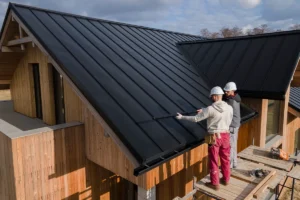
Install roof coverings such as tiles, metal sheets, or shingles, ensuring waterproofing and insulation.
Install external windows and doors securely, sealing frames to prevent leaks and drafts.
Install insulation in walls and ceilings, followed by plasterboard or wall lining.
Lay tiles, timber, vinyl, or carpet as per design specifications, ensuring surfaces are level and sealed.
Apply primer and paint to walls and ceilings, and finish trims, skirtings, and internal joinery.
Fit kitchens, bathrooms, lighting fixtures, and appliances, testing for correct installation.
Verify smoke alarms, fire safety systems, and electrical and plumbing compliance.
Arrange building inspections for occupancy permits and ensure all works meet local building codes.
Remove all construction waste, clean surfaces, and prepare the property for occupancy.
Provide warranties, manuals, compliance certificates, and maintenance guides to the client.
Conduct a final walkthrough with the client to address any outstanding issues or adjustments.

How Much Does Waterproofing Cost?
Cost Guides How Much Does Waterproofing Cost? $320 to $1,500