
Building Audit Checklist
A building audit is essential for ensuring structural integrity, safety, compliance, and long-term asset value. Whether you manage residential, commercial, or strata properties, our building audit checklist helps you assess every critical element — from roofing and fire safety to access compliance, services, and structural health — so you can prevent costly issues and meet legal obligations.
Enter your postcode to connect with certified building auditors near you
Popular Searches : Plumbers, Pest Control, Lawn Mowing, Handyman,

Building Audit Checklist
A building audit is an essential process for assessing the safety, efficiency, and compliance of a property. It helps identify potential risks, maintenance needs, and areas where improvements can be made, from structural integrity and fire safety to accessibility and energy performance. Regular audits not only ensure compliance with local regulations but also extend the building’s lifespan, reduce operating costs, and create a safer environment for occupants. A structured building audit checklist provides a clear framework, making sure every critical element is reviewed and documented. Whether you’re a property owner, manager, or compliance officer, this guide helps you carry out thorough and effective audits.

Building Audit Checklist
Check walls, foundations, and roofs for cracks, settling, or signs of deterioration.
Review cladding, windows, and external finishes for weather damage, leaks, or required repairs.
Inspect flooring, ceilings, and walls for wear, damage, or water stains that may indicate leaks.
Check smoke detectors, alarms, extinguishers, sprinklers, and fire exits for compliance and functionality.
Confirm emergency exit signs and backup lighting systems are working and clearly visible.
Ensure ramps, lifts, and facilities meet disability access standards and are in good condition.
Review heating, ventilation, and cooling units for efficiency, maintenance needs, and filter changes.
Check wiring, switchboards, and outlets for compliance with safety codes and signs of overload.
Inspect pipes, drains, and fixtures for leaks, blockages, and water quality concerns.
Check walls, ceilings, and floors for adequate insulation to improve energy efficiency.
Evaluate the use of energy-efficient lighting and consider upgrades to LED or smart systems.
Review taps, toilets, and irrigation systems for leaks or outdated fixtures that waste water.
Check records of past repairs, services, and upgrades to identify recurring issues or overdue tasks.
Ensure fire, electrical, and safety certificates are up to date and filed correctly.
Document findings, prioritise issues, and outline recommended actions for property management.
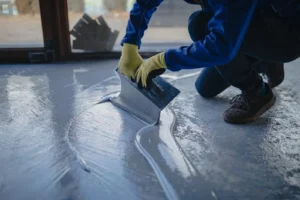
A thorough building audit ensures your property is safe, efficient, and compliant with regulations. By following this checklist, you’ll cover every key area—from structural integrity to energy performance—giving you a clear picture of the building’s condition. Regular audits not only prevent costly problems but also protect occupants and enhance the long-term value of your property.

How Much Does Waterproofing Cost?
Cost Guides How Much Does Waterproofing Cost? $320 to $1,500