
Split System Air Conditioning Melbourne: The Ultimate 2026 Homeowner Guide
Did you know that 59% of your home’s total energy usage is chewed up by heating and cooling systems? It’s a massive chunk of the household budget,…

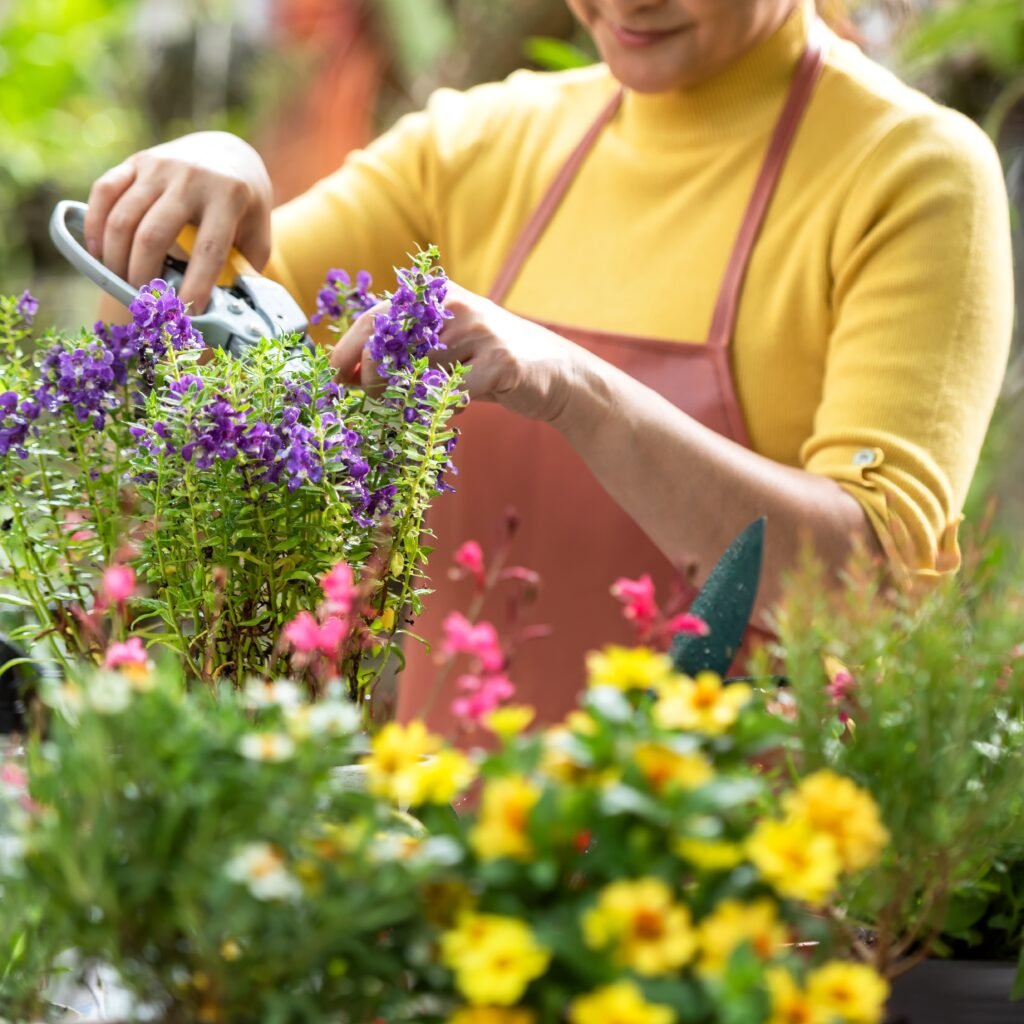
Winter may seem like a quiet season for your garden, but it’s actually the perfect time to prepare for strong, healthy growth when spring returns. While many plants slow down or go dormant during the colder months, your garden still needs care and attention to stay in top condition. With a few smart maintenance steps, you can protect your plants, enrich your soil, and make the most of the cooler weather.
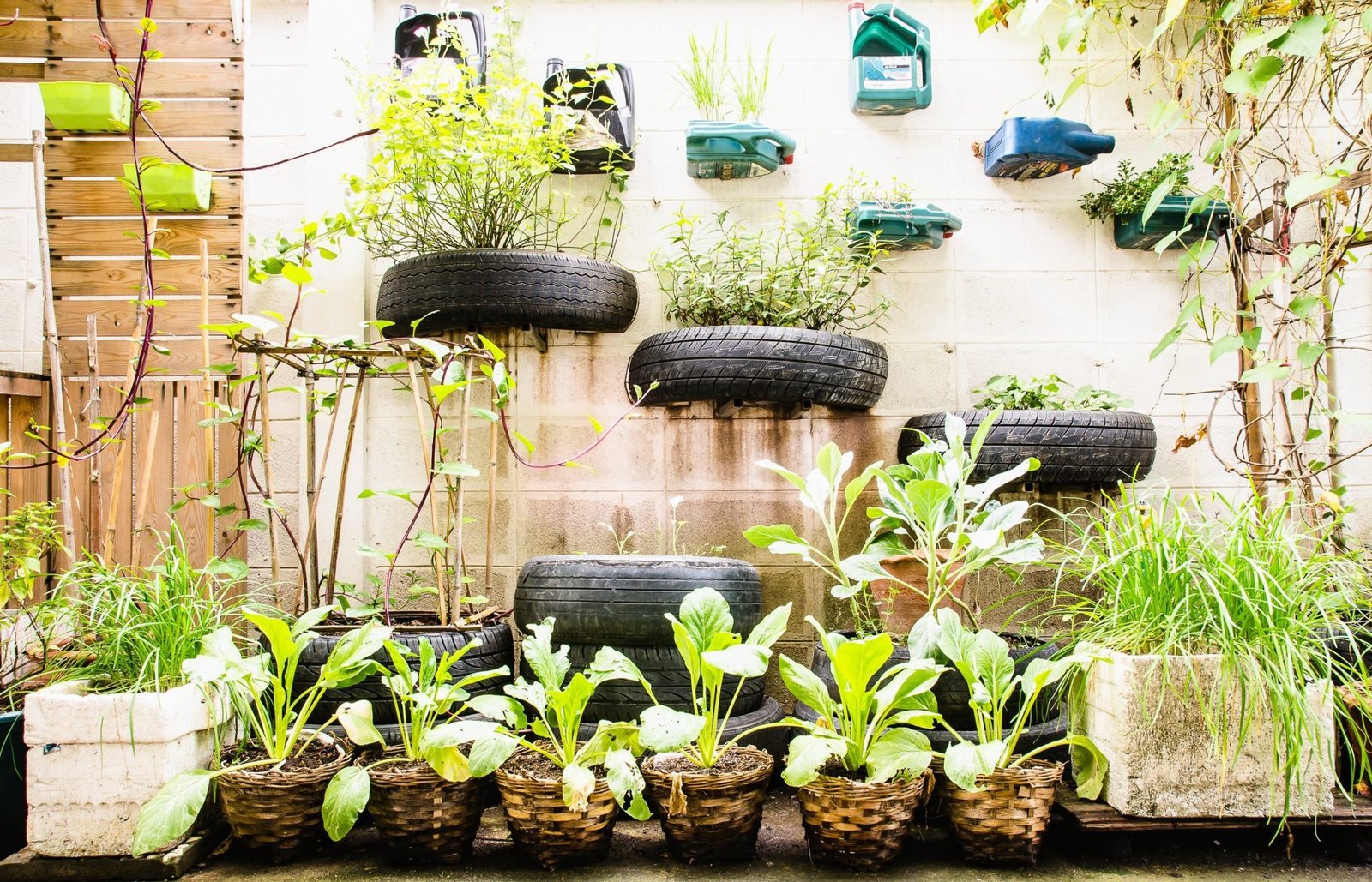
Frost is one of the biggest winter threats to tender plants. Use frost cloths, hessian, or old sheets to cover susceptible plants on cold nights. For potted plants, move them closer to walls or under sheltered areas like verandas. Water your garden in the morning rather than evening — moist soil holds heat better and helps protect roots from freezing overnight.
A thick layer of organic mulch such as straw, bark chips, or compost keeps soil warm and helps retain moisture. It also prevents weed growth and improves soil structure as it breaks down. Spread mulch around your plants and garden beds, taking care to leave a small gap around the stems to prevent rot.
Winter is the best time to prune deciduous trees, roses, and shrubs. Remove any dead or damaged branches to promote healthy new growth in spring. Trim back overgrown plants to improve air circulation and reduce the risk of fungal disease. Always clean and sharpen your pruning tools before use — it helps prevent infections and ensures clean cuts.
Even though growth slows in winter, your soil still benefits from a nutrient boost. Add well-rotted compost or manure to improve fertility and structure. For winter vegetables like broccoli, cabbage, and kale, use a slow-release organic fertiliser to keep them fed through the cooler months. Healthy soil now means stronger plants later.
Winter is the perfect time to give your garden tools a little TLC. Clean, sharpen, and oil your secateurs, spades, and shears to prevent rust and keep them working smoothly. Check your irrigation systems, hoses, and lawn equipment for damage so they’re ready for spring. Proper maintenance extends the life of your tools and saves time when the growing season begins again.
During winter, poor drainage can lead to waterlogged soil, which damages plant roots. Inspect your garden’s drainage points and clear any blocked gutters or downpipes. Make sure potted plants have proper drainage holes and aren’t sitting in standing water. Although watering frequency drops in winter, don’t forget that plants still need moisture — especially evergreens and winter vegetables. Water deeply but less often, preferably in the morning.
Winter is a great time to grow hardy vegetables like broccoli, spinach, kale, cabbage, and garlic. Rotate crops to prevent nutrient depletion and soil-borne diseases. If you’re short on space, use raised garden beds or pots for quick drainage and better control. Planning your crop layout now also helps you make the most of your garden space when spring planting begins.
Even in the cooler months, pests such as aphids, snails, and slugs can damage plants. Check the underside of leaves and the base of stems for early signs of infestation. Remove any affected leaves and use eco-friendly pest control options like neem oil or soapy water sprays. Keeping your garden clean, weed-free, and well-ventilated helps reduce pest problems naturally.
Winter composting can slow down due to cooler temperatures, but it doesn’t have to stop. Help the process along by turning your compost pile regularly and balancing green materials (like food scraps and grass) with brown materials (like leaves and cardboard). Keep the pile slightly damp — not soggy — and covered to retain warmth. By spring, you’ll have nutrient-rich compost ready for planting season.
Winter is the perfect time to plan ahead for your spring garden. Clean and organise seed trays, check your stock of fertilisers, and start buying seeds for the upcoming season. You can also begin sowing some early seedlings indoors or in greenhouses. Preparing now means you’ll be ready to plant the moment the weather warms up, ensuring your garden bursts back to life when spring arrives.
Did you know that 59% of your home’s total energy usage is chewed up by heating and cooling systems? It’s a massive chunk of the household budget,…

What if the sticker price on your new cooling system dropped by A$1,610 before you even signed the contract? Many homeowners assume the air…

What if I told you that 37% of your potential clients are now using AI tools like ChatGPT to find their next inspector instead of a traditional…

Did you know that electrical faults cause approximately 40% of all house fires across Australia? If your home still relies on old ceramic fuses, you…