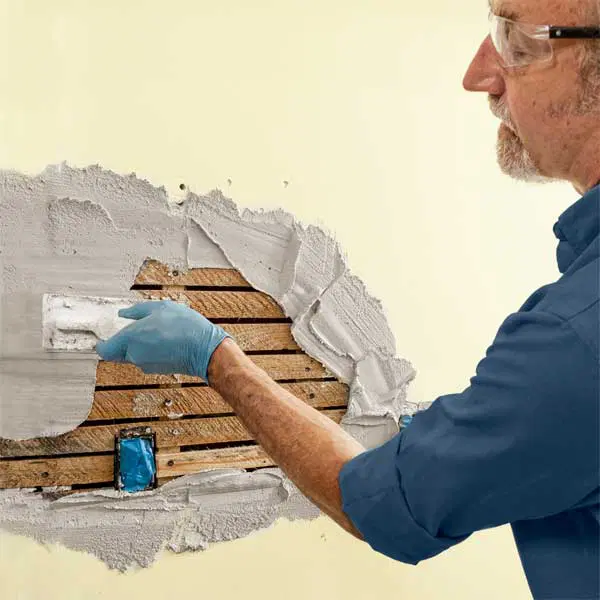
Plaster is a common material used in Australian homes for walls and ceilings, valued for its smooth finish and durability. However, like any part of a property, plaster is not immune to damage. Cracks, dents, water stains, and general wear and tear are issues many homeowners face over time. The cost of plaster repairs depends on the type and extent of damage, the size of the affected area, and whether you hire a professional plasterer for the job.
On average, plaster repairs can cost anywhere from a couple of hundred dollars for small patch jobs to several thousand for large-scale restorations. For example, fixing a hairline crack is relatively inexpensive, while repairing water-damaged ceilings or restoring ornate plasterwork can be considerably more costly. The location of the damage also matters, as ceiling work often requires more labour and equipment than wall repairs.
Plaster repair is not only about aesthetics; it also prevents further structural issues and maintains the value of your home. Understanding the typical costs, hidden expenses, and factors that affect pricing will help you budget effectively and decide whether it’s time to patch, repair, or fully replace damaged plaster.
What Factors Affect the Cost of Plaster Repairs?
Several factors influence how much plaster repair will cost in your home. The extent of the damage is usually the biggest determinant. Small cracks or dents caused by everyday wear and tear are much easier and quicker to repair than large holes or entire sections of water-damaged ceilings. When plaster is significantly weakened by moisture or structural issues, replacement may be necessary, which is more labour-intensive and costly.
The location of the damage also matters. Ceiling repairs generally cost more than wall repairs because they are more difficult to access and require additional safety equipment. Decorative plaster, such as cornices or ornate mouldings, also comes at a premium because these features require specialist skills to restore properly. The type of plaster used in your home — such as traditional lath and plaster compared to modern plasterboard — will also affect the cost.
Labour rates are another important factor. In metropolitan areas, tradespeople often charge higher hourly rates than in regional locations. Finally, additional services such as repainting, sanding, or priming the surface once the plaster has been repaired will add to the total cost. These factors combined explain why plaster repairs can vary so widely in price.
Average Cost of Plaster Repairs in Australia
While prices vary depending on your location and the scale of the job, here’s a general guide to plaster repair costs in Australia:
Small patch repairs (hairline cracks, dents, nail holes): $150 – $400
Medium repairs (large holes, damaged sections of wall): $400 – $1,000
Ceiling repairs (water damage, cracks, sagging): $1,000 – $3,000 depending on size and complexity
Ornamental plaster restoration (cornices, mouldings, heritage work): $2,000+ for detailed or custom restorations
These figures usually cover labour and materials, but may not include painting or finishing unless specifically stated in your quote. Some plasterers charge an hourly rate of $50 to $70 per hour, while others prefer to quote per project. Keep in mind that jobs requiring scaffolding or specialised equipment may incur additional costs.
It’s important to request detailed quotes that specify what is included. A cheaper initial quote may not cover sanding, priming, or painting, which can lead to unexpected extras. Getting at least three quotes from local plasterers will give you a clearer understanding of the going rate in your area and help ensure you’re paying a fair price.
Hidden or Additional Costs
When planning plaster repairs, it’s worth budgeting for more than just the quoted repair work. One of the most common additional costs is painting and finishing. Many plasterers will patch or restore plaster but leave painting to the homeowner, meaning you may need to hire a painter separately. This can add anywhere from a few hundred dollars for small areas to thousands for larger rooms.
If the plaster damage is caused by underlying issues such as leaks, rising damp, or structural movement, addressing these problems will come at an extra cost. Repairing plaster without fixing the root cause is only a temporary solution, so it’s important to budget for plumbing, waterproofing, or structural repairs where needed. Ceiling work often involves extra expenses too, such as scaffolding hire, protective sheeting, or disposal fees for damaged plaster.
Another hidden expense comes from ornamental plasterwork. Restoring heritage features requires specialist skills, and moulds may need to be custom-made, which drives up the price significantly. Urgent call-outs or after-hours work can also cost more, as plasterers may apply higher rates for emergency jobs. Being aware of these additional expenses helps you avoid unexpected surprises once work begins.
How to Save on Plaster Repair Costs
Although plaster repairs can be expensive, there are strategies to keep costs manageable. The first is to address small issues early. A minor crack or dent can often be repaired quickly and cheaply, but if ignored, it can expand and become a more costly problem. Another tip is to bundle multiple repairs into one job. If you have several areas of damage across your home, having them repaired in one visit will save on call-out and labour fees.
It also pays to compare multiple quotes. Different plasterers may charge different rates, and some include painting and finishing in their quotes while others do not. By gathering at least three estimates, you can see what’s standard in your area and avoid paying too much.
For simple cosmetic issues, DIY repair kits are available at hardware stores and can be a cost-effective option for confident homeowners. However, larger or structural damage should always be left to professionals to ensure safety and a high-quality finish. Finally, check whether your home insurance policy covers plaster damage caused by events such as storms, leaks, or accidents. In some cases, part or all of the repair cost may be claimable, which can save you significant money.
Finding the Right Plasterer
Plaster repairs can look deceptively simple, but the difference between a DIY patch job and professional work is easy to spot once the surface is painted. A skilled plasterer ensures the repaired area blends seamlessly with the existing wall or ceiling, leaving no visible joins, lumps or uneven textures. This is especially important for larger areas, ceilings or heritage plaster features where poor repairs can lower the value of your property.
When hiring a plasterer, check that they are experienced with the type of work you need, whether it’s small patching, water damage repairs or ornate restoration. Ask whether their quote includes finishing steps such as sanding, priming or painting, so you don’t get caught with unexpected extras later. A reliable plasterer should also be insured and willing to provide a written quote that clearly details what is included.
To make finding the right professional easier, The Tradie List connects homeowners with trusted plasterers in their local area. By visiting thetradielist.com, you can compare multiple quotes, check the experience of local tradies and hire with confidence, knowing your plaster repairs will be completed to a high standard.