
Split System Air Conditioning Melbourne: The Ultimate 2026 Homeowner Guide
Did you know that 59% of your home’s total energy usage is chewed up by heating and cooling systems? It’s a massive chunk of the household budget,…

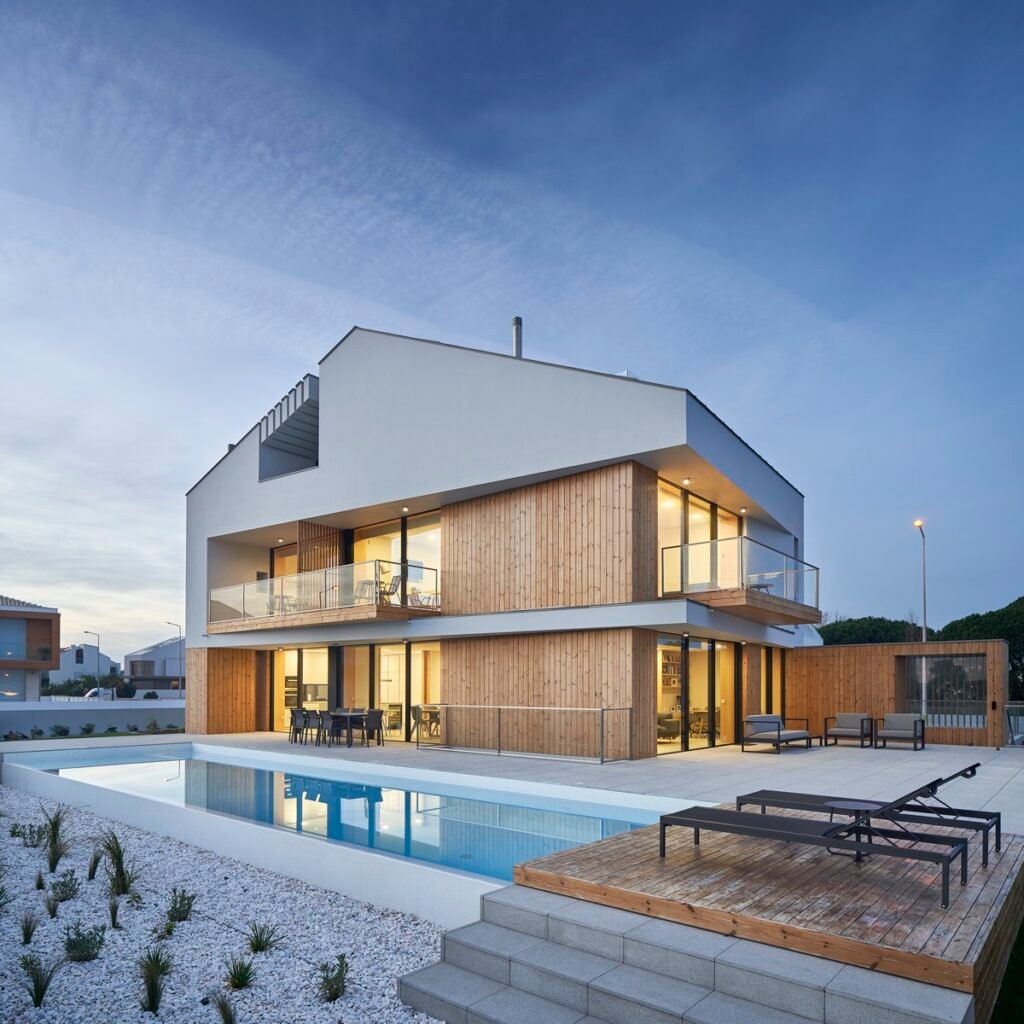
For many Australians, building a home from the ground up is a dream come true. It allows you to design a space that perfectly suits your lifestyle, choose the finishes you love, and ensure everything meets modern energy efficiency standards. While the idea is exciting, one of the first questions that comes to mind is: how much does it cost to build a house in Australia?
The answer depends on a wide range of factors. Costs vary by state, builder, design complexity, and even economic conditions. On average, house building costs are calculated on a per-square-metre basis, with prices ranging from budget-friendly project homes to custom luxury residences.
In this guide, we’ll break down the main factors that influence building costs, provide average cost ranges in Australia, and explore how to save money while still achieving the home you want.
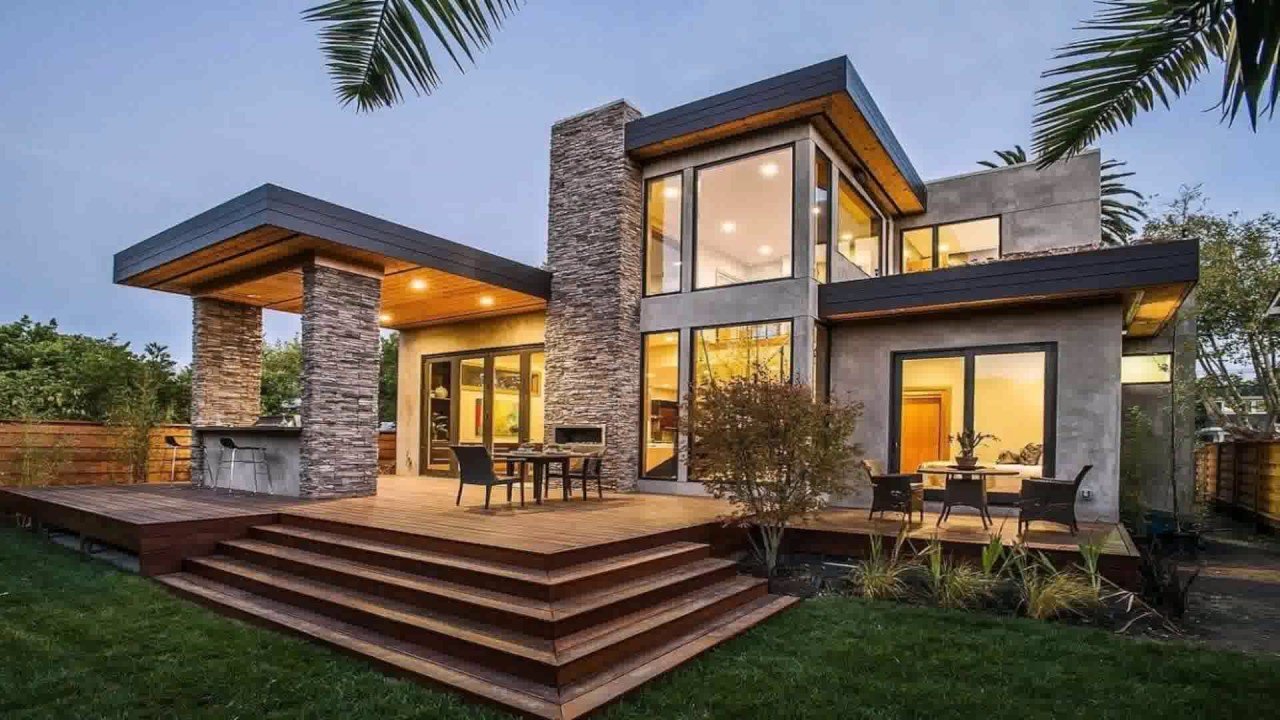
Several important elements influence the total cost of building a new home:
Size and floor area – The bigger the house, the higher the cost. Larger homes need more materials, labour, and time, which makes floor area one of the strongest cost indicators.
Type of home – A project home (pre-designed by a builder) is usually cheaper than a fully custom home designed by an architect. Double-storey homes also cost more to build than single-storey homes due to extra materials and structural requirements.
Materials and finishes – The choice of materials greatly impacts the price. Standard inclusions such as laminate benchtops and vinyl flooring are budget-friendly, while stone benchtops, hardwood flooring, and designer fittings increase costs.
Labour rates and location – Construction costs differ across Australia. Cities like Sydney and Melbourne generally have higher labour rates than regional areas due to demand and availability of skilled trades.
Design complexity – Features like open-plan layouts, high ceilings, large windows, or unique architectural details can increase costs. Simpler designs are generally more affordable.
Site preparation – A flat block is cheaper to build on than a sloping or rocky site, which may need excavation, retaining walls, or specialised foundations. Soil quality also affects the foundation type required.
Permits and compliance – Council approvals, building permits, and compliance with local regulations (such as bushfire or flood-prone areas) can add to overall costs.
Economic conditions – Supply chain issues, labour shortages, or increased demand for housing can push building costs higher, so timing can also influence the final price.
Building a house involves multiple stages, each with its own set of costs. Knowing where your money goes can help you plan and budget effectively.
1. Site Preparation and Excavation
Before construction begins, the block needs to be cleared, levelled, and prepared. This may include soil testing, excavation, and installation of retaining walls if required. Costs vary greatly depending on whether the land is flat or sloped, and can range from $10,000 – $50,000.
2. Foundation and Slab
Laying a solid foundation is critical. Depending on soil quality, you may need a standard concrete slab or reinforced foundations for stability. Costs typically range between $15,000 – $30,000.
3. Framing and Roofing
This stage includes the structural timber or steel framing, trusses, and roof covering (tiles, Colorbond, or other materials). Expect to pay around $35,000 – $60,000, depending on the size and complexity of the home.
4. External Walls and Cladding
Brickwork, render, or cladding materials are added to protect the structure and shape the exterior design. This stage usually costs between $20,000 – $50,000.
5. Plumbing and Electrical Installation
Essential services are installed, including water supply, drainage, wiring, lighting, and power points. Costs range from $15,000 – $40,000, depending on the number of outlets and fixtures.
6. Internal Fit-Out
This stage covers internal walls, insulation, ceilings, and flooring installation. It forms the basic interior of the house and can cost $25,000 – $60,000.
7. Fixtures and Fittings
Includes kitchens, bathrooms, laundry fit-outs, cabinetry, appliances, and tapware. Quality makes a big difference here, with costs ranging from $20,000 for basic inclusions to $60,000+ for luxury finishes.
8. Painting and Finishes
Internal and external painting, tiling, and decorative finishes are completed during this stage. Expect to pay $10,000 – $25,000 depending on the size of the home and finishes chosen.
9. Landscaping and Driveways
Often overlooked in budgets, landscaping, fencing, pathways, and driveways can add $5,000 – $20,000 or more.
10. Labour vs Materials Costs
Labour makes up a significant portion of house building expenses, often 40% – 50% of the total budget. Materials costs fluctuate with market demand, supply availability, and quality of finishes selected.
When budgeting for a new home, it’s important to account for expenses beyond the obvious construction stages. Site-specific issues can significantly increase costs — for example, poor soil quality, a sloping block, or unexpected excavation challenges. Building in a bushfire or flood-prone zone may also require compliance with stricter building standards, which often means more expensive materials and labour.
You’ll also need to factor in the cost of service connections like water, gas, electricity, and NBN, which aren’t always included in a builder’s quote. If an old house needs to be demolished before building, demolition costs and waste removal will add to your budget. Finally, delays caused by weather, supply shortages, or council approvals can increase labour costs or extend rental expenses while you wait for your home to be completed.
Building your own home comes with many advantages. First and foremost, you can customise the design to perfectly suit your lifestyle — from the number of bedrooms and bathrooms to open-plan living spaces or dedicated home offices. Unlike buying an existing property, a new build ensures you don’t have to compromise on layout or features.
New homes are also built with modern materials and energy-efficient designs, which means lower running costs in the long term. Features such as insulation, solar-ready roofing, and energy-efficient windows not only reduce bills but also make your home more comfortable year-round.
From a financial perspective, building can add significant long-term value. A well-designed, brand-new home often appreciates faster than older properties and requires far less maintenance. Plus, there’s peace of mind knowing that everything — from the plumbing to the wiring — is up to current standards.
While building a house is a major investment, there are ways to keep costs under control. One of the most effective strategies is to choose a project home design rather than a custom architectural build. These pre-designed options are more cost-efficient because builders can streamline materials and processes.
Keeping your design simple also helps — fewer angles, standard ceiling heights, and a single-storey layout are more affordable to construct than complex or multi-level homes. Opting for mid-range finishes instead of luxury upgrades can save tens of thousands without sacrificing style.
You can also reduce costs by building on a flat block, which avoids expensive excavation or retaining wall work. Finally, always get multiple quotes from local builders to compare inclusions and pricing. Bundling your work with one builder, rather than hiring separate trades, can also save on coordination costs and ensure smoother progress.
Building a house is one of the biggest investments most Australians will make, so choosing the right builder is critical. A reliable builder not only delivers quality workmanship but also ensures your project stays on schedule and within budget.
When selecting a builder, keep the following in mind:
Licensing and insurance – Your builder should be fully licensed in your state and carry appropriate insurance to protect both you and their workers.
Experience and portfolio – Ask to see examples of previous homes they’ve built, ideally in the same size or style as your project.
Detailed contracts and quotes – Insist on an itemised quote that outlines exactly what’s included (and excluded) to avoid surprise costs later.
Communication and transparency – Choose a builder who explains timelines clearly, provides updates, and answers questions promptly.
Warranties and aftercare – Ensure they offer warranties on workmanship and that materials used meet Australian standards.
To simplify the process, The Tradie List helps connect homeowners with licensed and trusted home builders in their local area. By visiting thetradielist.com, you can request multiple quotes, compare services, and hire with confidence.
Did you know that 59% of your home’s total energy usage is chewed up by heating and cooling systems? It’s a massive chunk of the household budget,…
What if the sticker price on your new cooling system dropped by A$1,610 before you even signed the contract? Many homeowners assume the air…

What if I told you that 37% of your potential clients are now using AI tools like ChatGPT to find their next inspector instead of a traditional…
Did you know that electrical faults cause approximately 40% of all house fires across Australia? If your home still relies on old ceramic fuses, you…