
Split System Air Conditioning Melbourne: The Ultimate 2026 Homeowner Guide
Did you know that 59% of your home’s total energy usage is chewed up by heating and cooling systems? It’s a massive chunk of the household budget,…

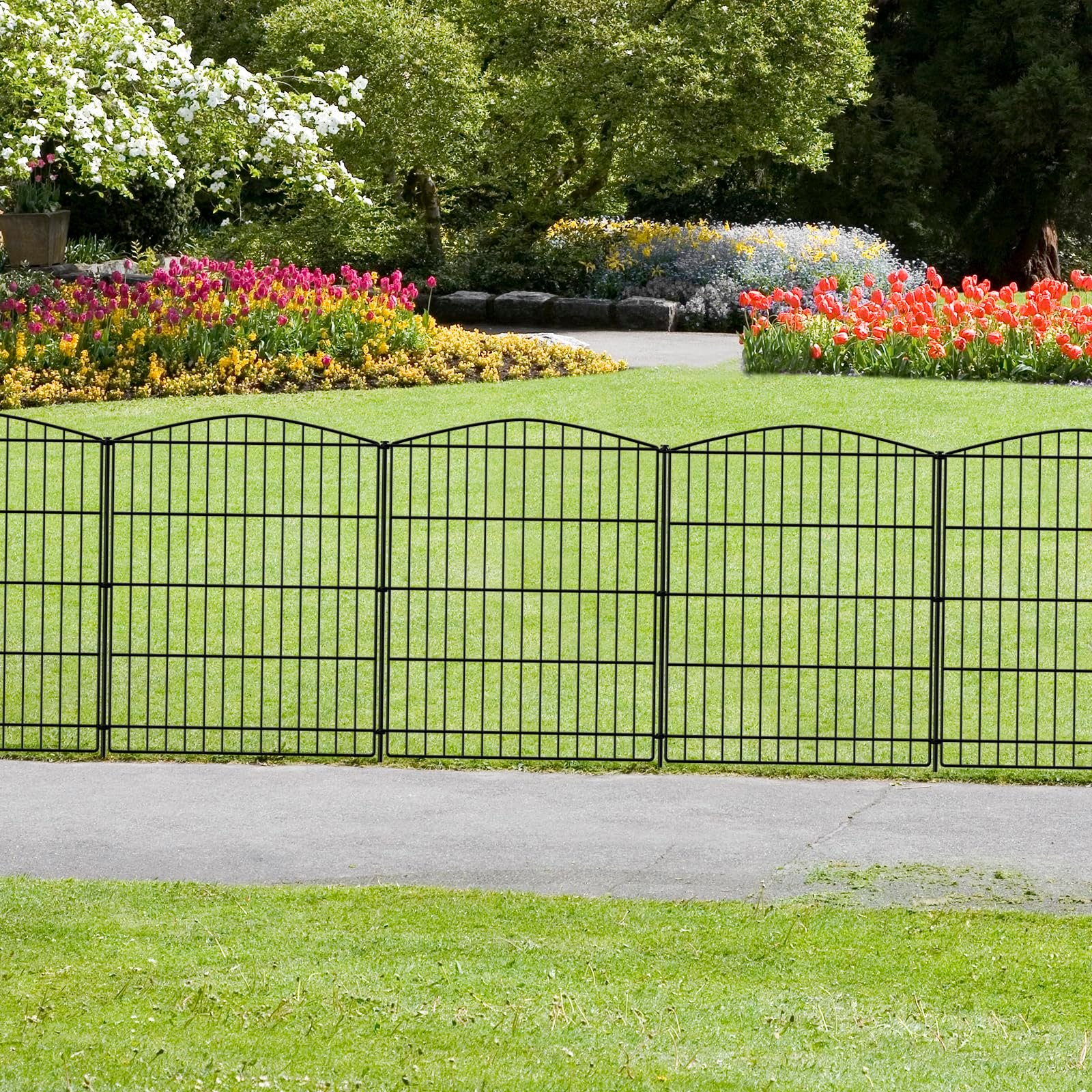
Fencing plays a vital role in any Australian home, providing privacy, security and a clear boundary around your property. It also adds aesthetic appeal, with a wide range of materials and designs available to suit different styles and budgets.
One of the first questions homeowners ask when planning a new fence is: how much does fencing cost per metre? The answer depends on the material, height, length, and the complexity of the installation. On average, fencing costs in Australia can range from budget-friendly treated pine through to premium options such as Colorbond, brick, or glass.
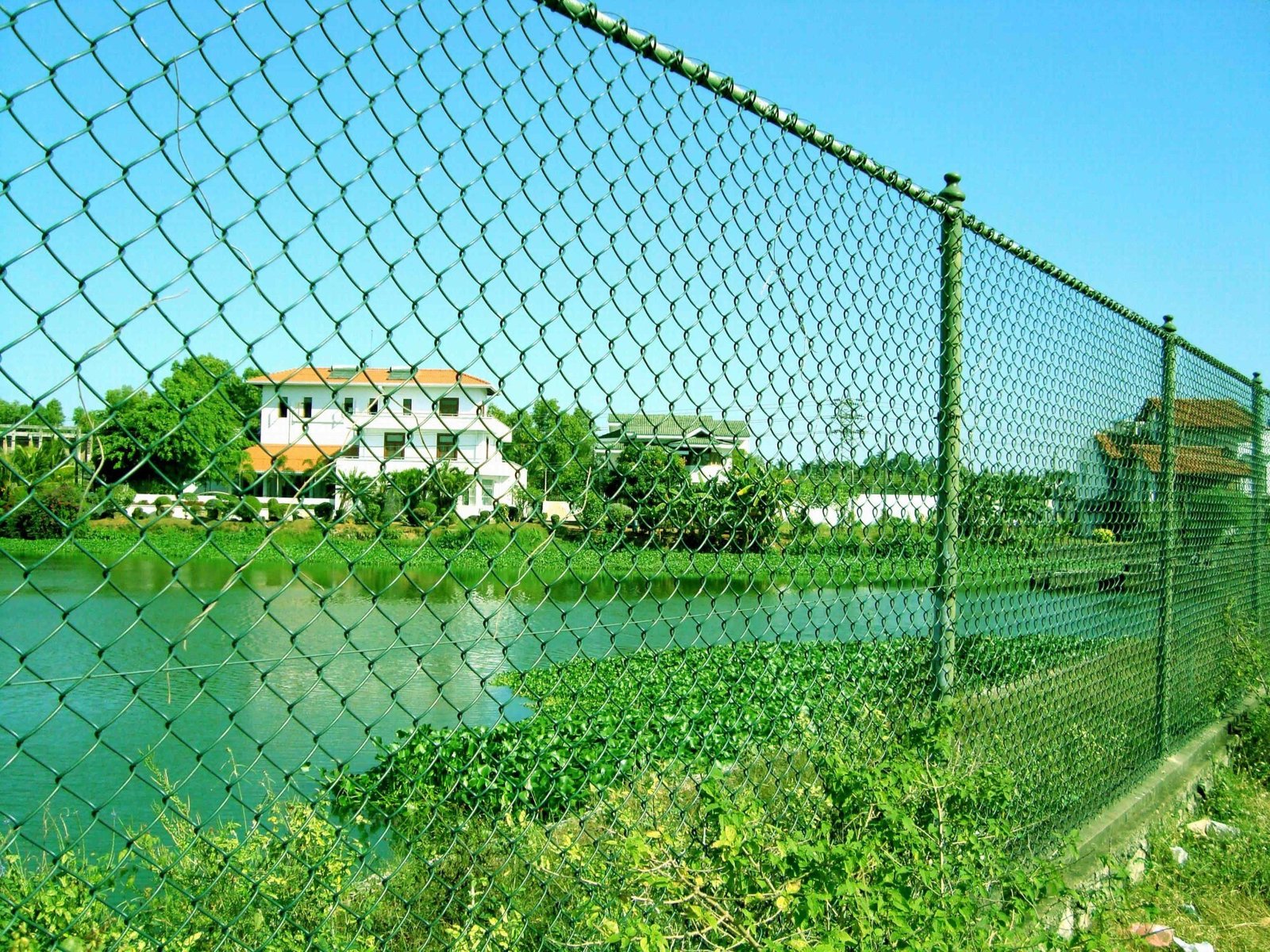
In this guide, we’ll break down everything you need to know about fencing costs per metre in Australia, including:
The key factors that influence fencing prices
Average costs by material and type
Installation and hidden costs to consider
State-by-state price differences
How to save on fencing while getting the best value
How to find the right fencing installer for your project
The cost of fencing per metre can vary greatly depending on a combination of material, design, and site-specific conditions. Understanding these factors helps you set a more accurate budget for your project.
Material choice is usually the biggest factor. Treated pine is the most affordable, while hardwood timber, Colorbond steel, aluminium, PVC and glass sit higher up the cost scale. Premium options like brick, stone or wrought iron fences are among the most expensive due to both materials and labour.
Fence height and length also impact the price. Taller fences require more materials and labour, while longer boundary lines increase the total cost overall. Even a small increase in height can significantly change the per-metre price.
Installation complexity plays a major role too. Fences built on sloping ground or poor-quality soil may need retaining walls, deeper posts or reinforced footings. Irregular property boundaries, corner lots or multi-level yards add to installation time and costs.
Labour rates differ depending on your location. Metro areas usually see higher rates because of demand, while regional areas may be more affordable. Accessibility is also key: if contractors can’t easily reach your property with equipment, additional labour charges may apply.
Finally, extra features such as gates, lattice tops, decorative panels, double-sided finishes or custom colours all increase costs. While these add style, security and convenience, they come with extra materials and installation work.
The cost of fencing per metre in Australia varies widely depending on the material you choose and the style of fence you want to build. Below are typical price ranges to give you a general guide:
Treated pine fencing: $75 – $120 per metre. An affordable choice but requires regular maintenance.
Hardwood timber fencing: $120 – $280 per metre. More durable and attractive than treated pine, but more expensive.
Colorbond fencing: $70 – $120 per metre. Low-maintenance and long-lasting, available in a wide range of colours.
Aluminium or steel fencing: $80 – $150 per metre. Strong, durable and resistant to rust, with a sleek modern appearance.
PVC/vinyl fencing: $100 – $150 per metre. A low-maintenance option that mimics timber but doesn’t require painting or sealing.
Wrought iron fencing: $450 – $600+ per metre. Decorative and highly durable, often chosen for heritage or premium homes.
Brick or stone fencing: $600 – $1,000+ per metre. Provides excellent security and longevity but is one of the most expensive options.
Glass pool fencing: $200 – $600 per metre. Stylish and modern, often used for pools and outdoor entertaining areas.
As a rough rule, timber and Colorbond remain the most common and affordable choices for boundary fencing, while decorative or structural options like wrought iron, glass and brick are premium investments.
The cost of fencing installation isn’t just about the panels or materials — labour and site preparation often make up a large part of the total. Most fencing contractors in Australia charge per metre of fencing installed, although some may also provide hourly rates.
For straightforward jobs on flat, accessible blocks, installation can fall between $60 and $100 per metre. More complex installations, such as those on sloping or rocky ground, or projects requiring retaining walls, deeper posts or reinforced footings, will increase the price.
Site preparation: Clearing vegetation, removing old fences, and levelling the ground.
Setting posts and footings: Digging post holes and concreting them in for stability.
Assembling and fixing panels: Attaching fence panels, rails or pickets to the posts.
Finishing touches: Adding caps, trims, lattice extensions, or painting if required.
Disposal of old fencing may come with additional charges.
Access issues, such as tight blocks or properties with difficult terrain, can add to labour costs.
Gates and custom features will also increase installation time and price.
Because fencing projects vary so widely, it’s best to get itemised quotes from several installers. This ensures you know exactly what is included and helps avoid unexpected costs later.
The cost of installing a fence depends not only on the materials but also on the labour involved in preparing the site and assembling the structure. For straightforward projects on flat, accessible land, installation costs generally fall between $60 and $100 per metre. More complex sites, such as sloping ground or areas requiring reinforced footings, can push costs higher.
Installation typically includes site preparation, setting posts and footings, attaching panels or rails, and any finishing touches like trims or lattice extensions. If you’re replacing an old fence, removal and disposal of the existing structure will often add to the overall cost.
When planning your fencing budget, it’s important to account for potential extras. Council permits or approvals may be required if your fence exceeds height restrictions or sits on a boundary with neighbours, and fees vary depending on your location.
Site conditions can also add costs. Uneven or rocky soil may require additional digging, deeper footings or even retaining walls for stability. Restricted site access can increase labour charges, as contractors may need more time and equipment to complete the job.
Other common additional expenses include gates, custom finishes, painting or staining timber, and decorative features such as lattice tops or double-sided panels. Delivery and transport fees for materials are also sometimes overlooked when calculating costs.
Fencing offers a wide range of practical and lifestyle benefits. The most obvious advantage is security and privacy. A well-built fence provides a physical barrier, helping to keep unwanted visitors out while giving you peace of mind in your own space.
Fences also provide safety for children and pets, ensuring they can play in your yard without risk of straying onto the street. For pool areas, fencing is a legal requirement to meet safety regulations.
From a design perspective, a fence can add kerb appeal and increase property value. With a variety of materials and styles available — from modern Colorbond to classic timber and premium glass or brick — you can choose a look that complements your home and landscape.
There are several ways to manage fencing costs without compromising on quality. Start by comparing multiple quotes from licensed installers. Prices can vary significantly, and getting at least three quotes helps ensure you’re paying a fair rate.
Choosing materials that fit your budget and purpose can also make a big difference. For example, treated pine is cost-effective but requires maintenance, while Colorbond has a higher upfront cost but lasts longer with minimal upkeep.
Opting for standard heights and designs is another way to save, as custom sizes and finishes quickly increase costs. If possible, you can also take on some preparation work yourself, such as clearing old fencing or vegetation, to reduce labour hours.
Finally, consider scheduling your project during off-peak seasons, when demand for tradies is lower. This can sometimes result in faster turnaround times and more competitive pricing.
No matter what type of fence you choose, the quality of the installation will determine how well it performs and how long it lasts. A poorly built fence can lean, sag or deteriorate quickly, while a professionally installed fence will provide security, privacy and durability for many years.
When selecting a fencing installer, check that they are licensed and insured to work in your state. Ask for an itemised quote so you know what’s included, and request references or examples of past work to confirm their experience. A reliable installer should also be upfront about timelines and any potential extra costs that could arise from site conditions.
To make the process easier, The Tradie List connects you with trusted local fencing professionals. By visiting thetradielist.com, you can compare quotes from qualified tradies in your area and choose the right one with confidence.
Did you know that 59% of your home’s total energy usage is chewed up by heating and cooling systems? It’s a massive chunk of the household budget,…

What if the sticker price on your new cooling system dropped by A$1,610 before you even signed the contract? Many homeowners assume the air…

What if I told you that 37% of your potential clients are now using AI tools like ChatGPT to find their next inspector instead of a traditional…
Did you know that electrical faults cause approximately 40% of all house fires across Australia? If your home still relies on old ceramic fuses, you…