
Split System Air Conditioning Melbourne: The Ultimate 2026 Homeowner Guide
Did you know that 59% of your home’s total energy usage is chewed up by heating and cooling systems? It’s a massive chunk of the household budget,…

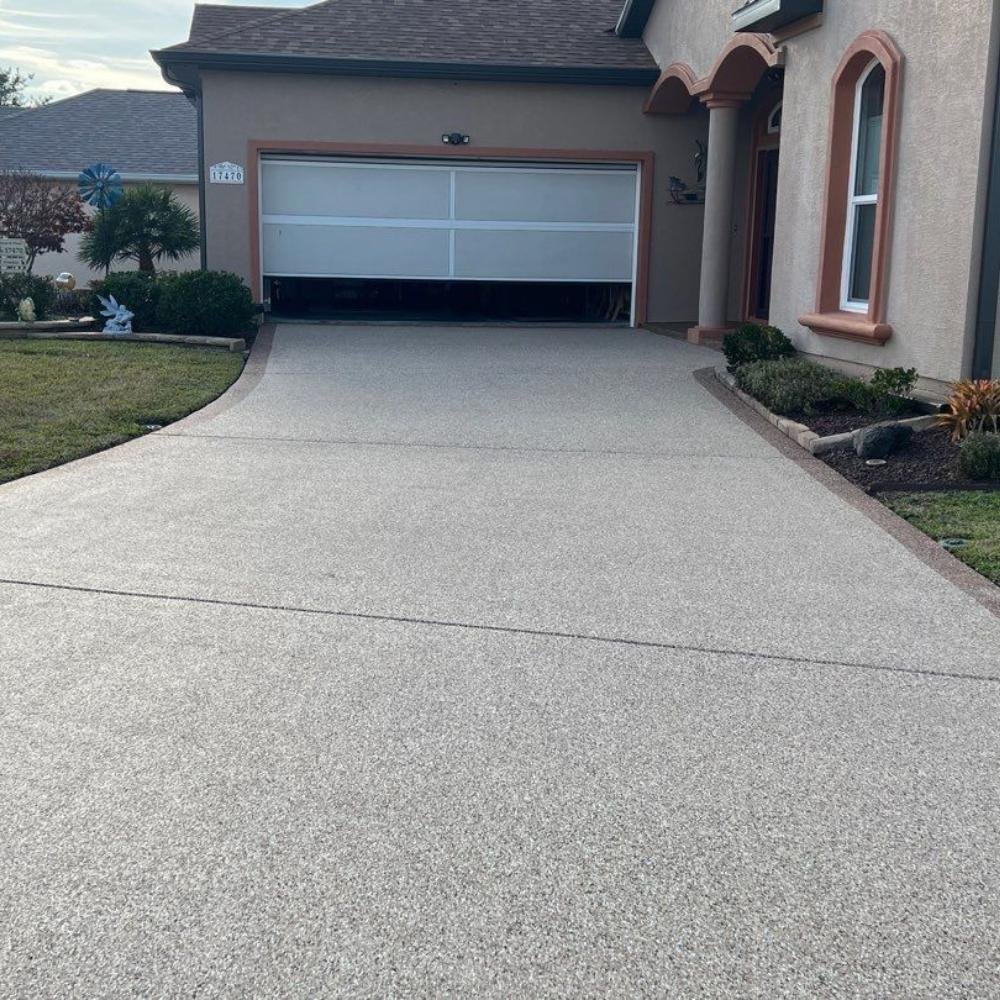
A concrete driveway is one of the most durable and practical investments you can make for your home. Not only does it provide a strong and stable surface for vehicles, but it also enhances the overall look and value of your property. Compared to alternatives like gravel or pavers, concrete is low-maintenance, versatile, and long-lasting, making it a popular choice for Australian homeowners. From plain grey concrete to decorative finishes like exposed aggregate, coloured, or stencilled designs, there are plenty of options to suit different budgets and styles. The cost of a concrete driveway, however, can vary widely depending on several key factors.
These include the size and thickness of the driveway, the type of finish you choose, site preparation needs such as excavation and drainage, and whether reinforcement is required for added strength. Labour costs and accessibility of your property also play a role in the final price. While a plain concrete driveway is generally the most affordable, decorative finishes can create a premium look but come at a higher cost per square metre. By understanding these cost factors, you can make informed decisions about which type of concrete driveway is right for your home, plan your budget more effectively, and ensure you’re getting the best value for your investment.
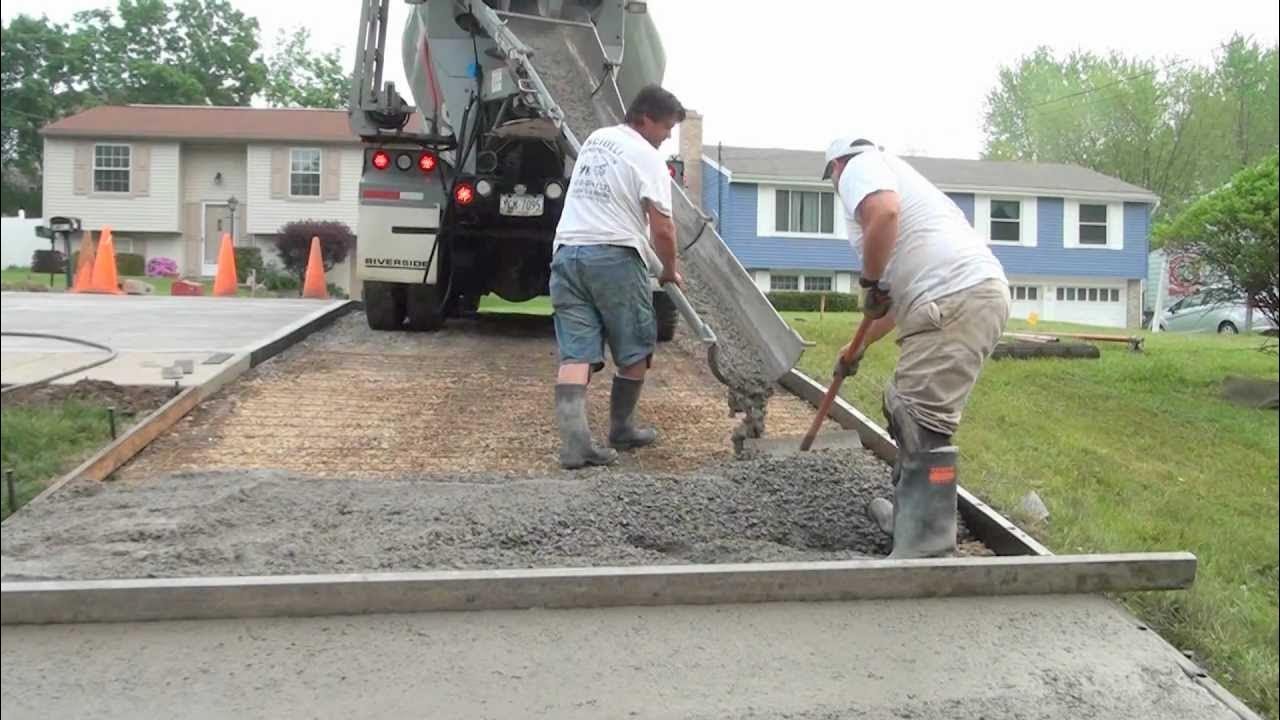
On average, a concrete driveway in Australia costs between $65 and $150 per square metre, with total project costs typically ranging from $3,000 to $12,000, depending on size, finish, and site conditions.
In this guide, we’ll cover:
What affects the cost of a concrete driveway
Average costs in Australia
Price breakdowns by concrete type
Hidden and additional costs
Benefits of concrete driveways
Tips to save on installation
How to find the right concreter
The size and thickness of the driveway are the biggest cost factors. Larger driveways require more concrete, preparation, and labour hours, while thicker slabs (often 100mm–150mm for heavy vehicle use) increase the amount of material and reinforcement needed.
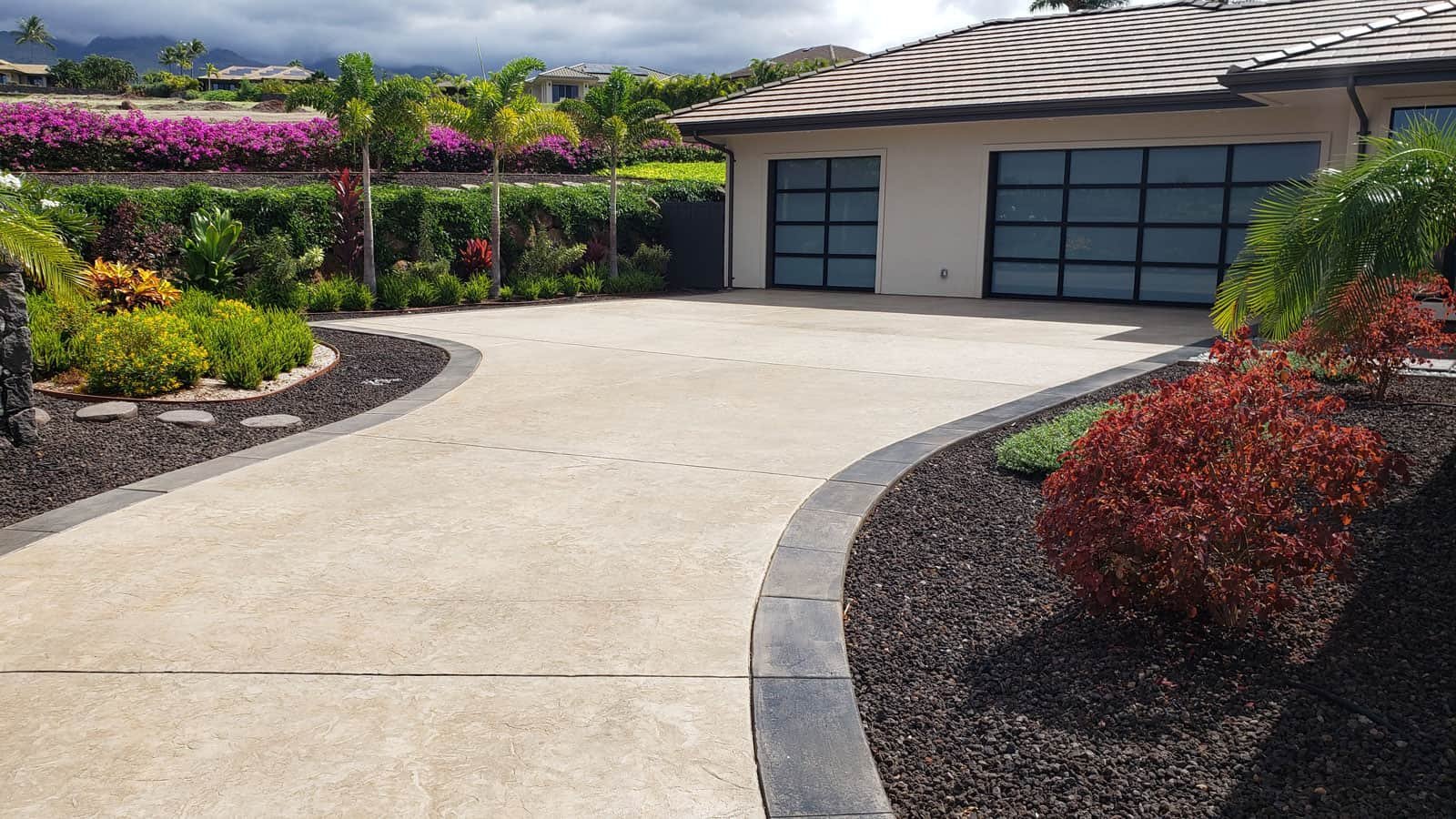
The type of concrete finish chosen will also make a big difference. Plain concrete is the most affordable, while coloured, stencilled, stamped, or exposed aggregate finishes add style and durability but cost more per square metre. Decorative finishes require more labour, skill, and sometimes sealing, which raises the overall price.
Site preparation is another key factor. If your driveway area needs excavation, levelling, or the installation of drainage systems, these steps add to the total cost. Properties on sloping or uneven blocks typically require more work than flat, easily accessible sites.
The complexity of the design also plays a role. Straight driveways with easy access are quicker and cheaper to install, while curved edges, multiple entry points, or integration with landscaping features require more labour and materials.
Finally, labour rates and location influence pricing. In metropolitan areas, higher demand for concreters may result in higher costs compared to regional locations. The addition of reinforcement, such as steel mesh or bars, also impacts the price, particularly for driveways designed to withstand heavy loads.
In summary, driveway costs are affected by:
Size and thickness of the driveway
Type of concrete finish (plain, coloured, exposed aggregate, decorative)
Site preparation requirements (excavation, levelling, drainage)
Complexity of the driveway design
Labour rates and location
Reinforcement for strength and durability
Here’s a summary of current cost ranges for installing a concrete driveway in Australia, including plain and decorative finishes:
For plain concrete driveways, common rates fall between AUD $65 and $85 per square metre for both materials and labour.
These figures are indicative; your actual cost will depend on finish, site conditions (slope, access, preparation), reinforcement, drainage, and labour availability in your area.
Plain concrete is the most affordable driveway option, generally costing between $65 and $85 per m². It provides a clean and durable surface but offers little in the way of visual appeal beyond the standard grey finish.
Coloured concrete adds pigments to achieve a more attractive look while maintaining durability. Prices usually range from $75 to $95 per m², depending on the colour and whether sealing is included.
Exposed aggregate concrete is a popular decorative choice that reveals the natural stones within the mix for a textured, premium appearance. This option is more expensive, typically costing $100 to $150 per m².
Stencilled or stamped concrete can mimic the look of pavers, bricks, or stone. These finishes require additional labour and skill, with costs ranging from $120 to $150+ per m².
Polished or decorative concrete is at the top end of the scale, often used in high-end projects where design is a priority. These driveways can cost upwards of $150 per m² depending on complexity.
In addition to the base cost of materials and labour, there are often hidden expenses to consider. Site preparation, including excavation, levelling, and soil removal, can add significantly to the total. If drainage systems are required to manage water flow, this will increase costs as well. Reinforcement with steel mesh or bars also adds to the price, particularly for driveways designed to handle heavy vehicles. Don’t forget about sealing and long-term maintenance, which may be necessary to protect decorative finishes. Access challenges, rubbish removal, and travel fees for contractors can also raise the final bill.
Concrete driveways are valued for their strength and durability, with the ability to last 30 years or more when properly installed and maintained. They are low-maintenance, requiring only occasional cleaning and resealing for decorative finishes. With options ranging from plain to highly decorative, concrete offers versatility in design, allowing homeowners to choose a finish that matches their budget and style. A concrete driveway also enhances street appeal and property value, making it a worthwhile investment. Compared to alternatives like gravel or pavers, concrete driveways provide a more stable, long-lasting surface that can handle heavy vehicles and frequent use without shifting or wearing down quickly.
One way to save is to choose plain or coloured concrete rather than premium finishes like exposed aggregate or stencilled designs. You can also reduce costs by preparing the site yourself, such as clearing vegetation or debris before the concreter arrives. Bundling your driveway installation with other concreting projects, like footpaths or patios, may also result in better pricing. To avoid overpaying, always get at least three quotes from licensed concreters, ensuring each one provides a detailed breakdown of what’s included, such as excavation, reinforcement, sealing, and disposal. Opting for a simple design with fewer curves or edges can further reduce labour costs, keeping your project within budget.
Installing a concrete driveway is a skilled job that requires the right mix, preparation, and finishing to ensure durability and long-term performance. Poor workmanship can lead to cracks, uneven surfaces, and drainage problems, so choosing an experienced concreter is essential. A professional concreter will assess your site, recommend the most suitable type of concrete and reinforcement, and ensure your driveway is built to Australian standards.
When hiring a concreter, ask about their experience with different finishes, such as exposed aggregate, stencilled, or coloured concrete, and whether they provide a written warranty on their work. A detailed quote should include excavation, reinforcement, drainage, sealing, and rubbish removal, so you know exactly what you’re paying for. Checking reviews, references, or previous driveway projects can give you confidence in their skills and reliability.
Finding the right concreter doesn’t have to be stressful. The Tradie List connects you with licensed, local concreters who specialise in driveway installations of all sizes and finishes. By visiting thetradielist.com, you can compare multiple quotes, review qualifications, and hire with confidence knowing your concrete driveway will be installed to the highest standard.
Did you know that 59% of your home’s total energy usage is chewed up by heating and cooling systems? It’s a massive chunk of the household budget,…
What if the sticker price on your new cooling system dropped by A$1,610 before you even signed the contract? Many homeowners assume the air…

What if I told you that 37% of your potential clients are now using AI tools like ChatGPT to find their next inspector instead of a traditional…
Did you know that electrical faults cause approximately 40% of all house fires across Australia? If your home still relies on old ceramic fuses, you…