
Split System Air Conditioning Melbourne: The Ultimate 2026 Homeowner Guide
Did you know that 59% of your home’s total energy usage is chewed up by heating and cooling systems? It’s a massive chunk of the household budget,…

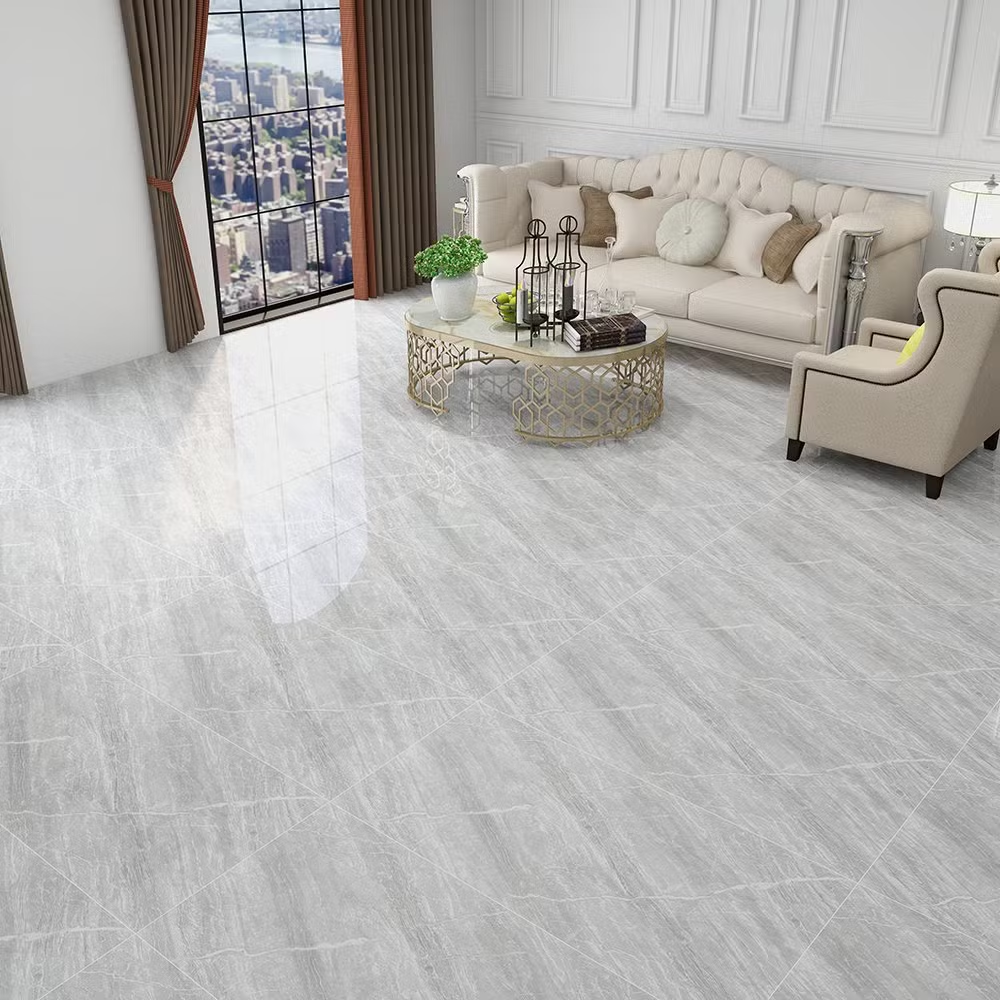
Floor tiles remain one of the most popular flooring choices in Australian homes, thanks to their durability, versatility and stylish finishes. Whether you’re renovating a bathroom, upgrading a kitchen or transforming your living spaces, tiles offer a practical and attractive solution that can withstand years of wear and tear. Unlike carpet or timber, tiles are resistant to moisture, stains and heat, making them particularly well-suited to high-traffic areas and wet zones. They also come in an incredible range of sizes, colours, textures and patterns, from budget-friendly ceramic tiles to luxurious marble or granite. With the right choice, floor tiles can add a timeless elegance to your home while also being easy to clean and maintain.
While tiles are known for their longevity, the total cost of installation depends on a number of factors, including the type of tile you choose, the preparation required, and the complexity of the design. Some tiles are relatively affordable to supply and install, while others — such as natural stone or intricate mosaics — can be much more expensive due to the labour involved. Understanding the different costs upfront will help you set a realistic budget and choose a finish that fits both your style and financial goals.
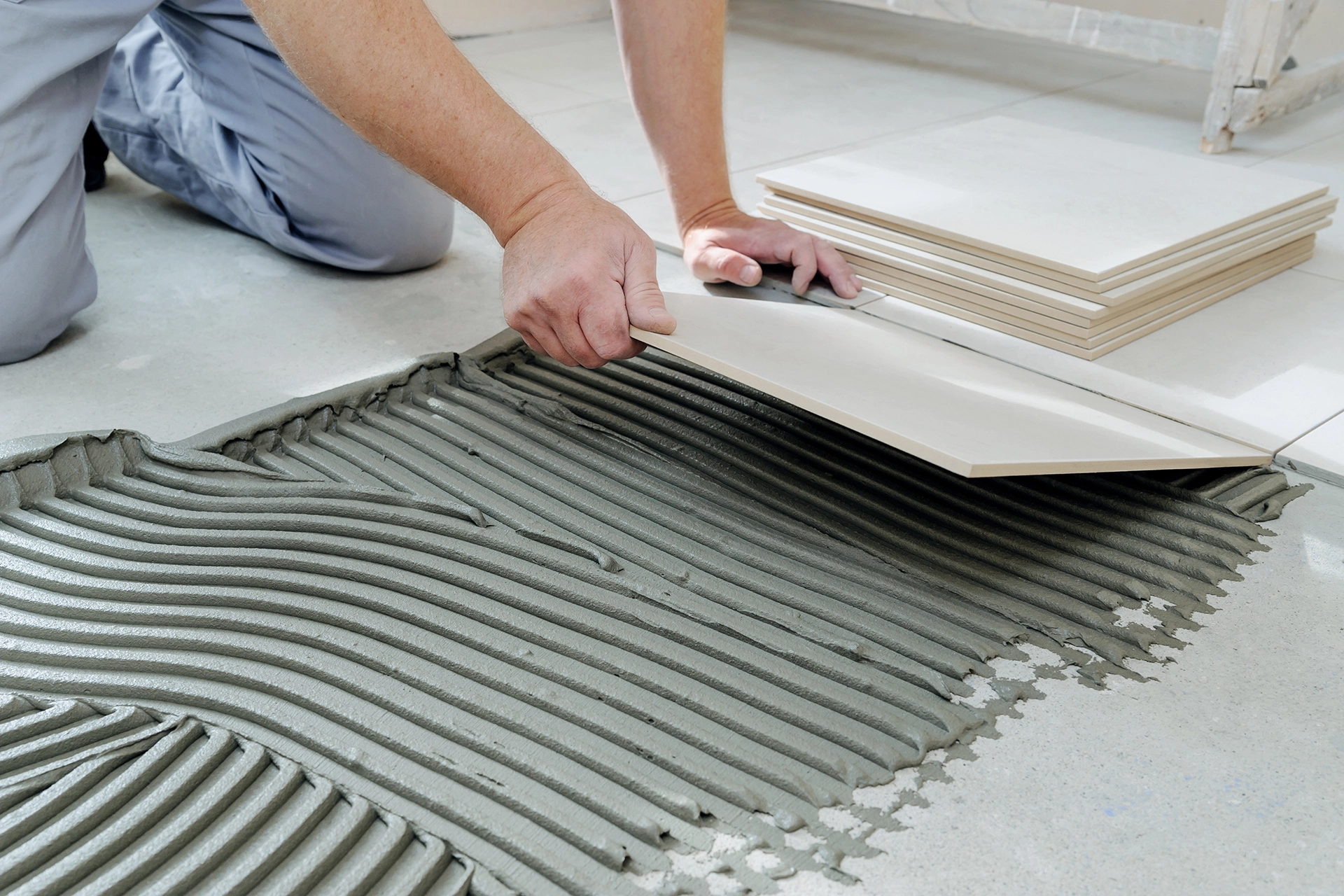
On average, floor tile installation in Australia costs between $30 and $120 per square metre, depending on the tile type, quality and labour required. Ceramic and porcelain tiles are typically at the lower end, while natural stone and detailed designs are priced higher.
In this guide, we’ll cover:
What affects the cost of floor tile installation
Average installation costs in Australia
Costs by type of tile
Hidden and additional expenses to consider
The benefits of floor tiles
Tips to save money on installation
How to find the right tiler for your project
The biggest factor influencing tile installation costs is the type of tile you choose. Ceramic tiles are usually the most affordable, while porcelain tiles are slightly more expensive due to their density and durability. Natural stone options such as marble, granite or travertine are at the premium end, not only because of the material cost but also because they require specialist handling and sealing. Mosaics and large-format tiles can also increase labour costs because of the extra precision needed.
The size and layout of the area also play a key role. Large, open-plan spaces are usually more cost-effective per square metre, as tilers can lay tiles more efficiently. Smaller rooms, irregular shapes, or areas with lots of corners, stairs or transitions require more cutting and detail work, which adds time and cost.
Another factor is subfloor preparation. For tiles to last, the surface needs to be clean, level and dry. If your subfloor requires levelling, repairs, or a waterproofing membrane (especially in bathrooms and laundries), the cost will increase.
Finally, labour rates and location can make a difference. Tilers in metropolitan areas often charge more than those in regional locations, reflecting higher demand and overheads. Jobs that require specialist skills, such as laying intricate patterns or premium stone, will also attract higher labour rates.
In summary, costs are affected by:
Tile type (ceramic, porcelain, stone, mosaic, large format)
Size and layout of the area
Subfloor preparation and waterproofing needs
Labour rates and location
Complexity of the design or pattern
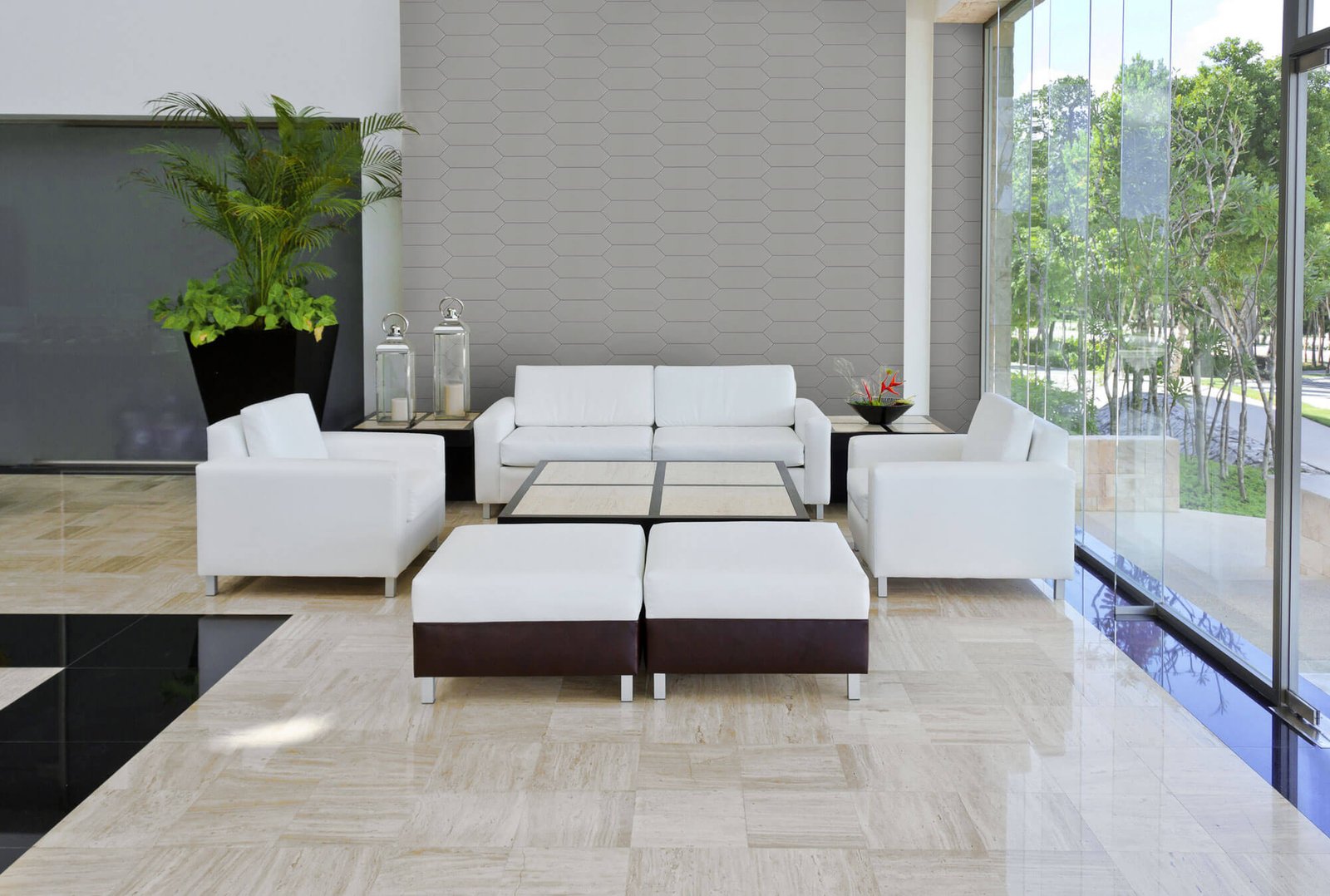
Tile installation costs in Australia vary widely depending on the tile material, labour rates in your area, and how much prep work is required. A rough benchmark for tile supply plus installation is $30 to $150 per square metre.
Many tilers charge around $45 to $150 per m² for labour and tiling work alone (adding to the cost of the tiles). For example, in cities like Sydney or Melbourne, rates tend toward the higher end due to demand and overheads, whereas regional areas may incur lower labour costs.
In a typical scenario—using ceramic or porcelain tiles in a well-prepared room with few complications—many tiling jobs fall between $60 and $100 per m² all inclusive.
Of course, this is just a guide. Your actual cost will be influenced by the tile type (natural stone, mosaic, large formats, etc.), the condition of your subfloor, whether you need waterproofing or levelling, and how complex the layout is.
Ceramic tiles are the most budget-friendly option, often priced from $30 to $50 per m² for supply only, with installation bringing the total to around $60 to $100 per m². They are lightweight, easy to cut and install, making them a cost-effective choice for many homes.
Porcelain tiles are denser, more durable and less porous than ceramic, which makes them suitable for high-traffic areas and wet zones. They generally cost more, with supply ranging from $40 to $100 per m² and total installation costs typically between $70 and $120 per m².
Natural stone tiles such as marble, granite, slate and travertine are considered premium materials. Supply costs can start from $80 per m² and exceed $150 per m², with installation often pushing the total cost well above $120 per m² due to the extra labour and sealing required.
Mosaic tiles are small and intricate, often used for feature floors or decorative borders. While the tiles themselves may not be overly expensive, labour costs are higher because of the time needed to lay them accurately. Expect to pay $90 to $150+ per m² for supply and installation.
Large-format or designer tiles create a sleek, modern look but are heavier and require specialised handling. Costs generally range from $80 to $130 per m² installed, depending on the finish and size.
When budgeting for tile installation, it’s important to consider extra expenses that may not be included in the initial quote. Subfloor preparation is one of the most common hidden costs. If the surface isn’t level, clean or dry, it will need to be repaired or treated before tiling begins. In wet areas such as bathrooms, waterproofing membranes are essential and are usually charged separately. Removal and disposal of old flooring can also add to the overall bill, as can cutting tiles for staircases, corners or intricate patterns. Natural stone tiles may require sealing, which adds both time and material costs. Always ask your tiler to provide a detailed breakdown so you know what is included and what may come as an extra.
Floor tiles are one of the most durable and practical flooring choices available. They are long-lasting, with many types capable of performing well for decades if properly maintained. Tiles are also resistant to water, stains and heat, which makes them perfect for kitchens, bathrooms and other high-traffic areas. In terms of design, the options are virtually endless — from sleek porcelain to natural stone, textured finishes and colourful mosaics. This versatility means you can achieve almost any look, from classic elegance to modern minimalism. Tiles are also easy to clean and maintain, requiring only basic sweeping and mopping to keep them looking new. For households with allergies, tiled floors are a great option because they don’t trap dust, pollen or pet hair like carpet can.
There are several ways to manage costs without compromising on quality. Choosing ceramic or porcelain tiles instead of natural stone can significantly lower both supply and installation prices while still delivering durability and style. Opting for larger format tiles can reduce labour costs because fewer cuts and grout lines are required. You can also save by preparing the subfloor yourself, such as cleaning or removing old flooring before the tiler arrives. Buying tiles in bulk or during seasonal sales is another effective way to reduce material costs. Finally, always compare quotes from at least three licensed tilers. This helps you understand market rates and ensures you get the best balance between price and quality.
Installing floor tiles requires precision and experience to ensure a professional finish. A skilled tiler will properly prepare the subfloor, lay tiles evenly, cut neatly around edges and corners, and apply grout and sealant correctly. Poor workmanship can lead to uneven tiles, cracked grout and water damage, which can be expensive to fix later. That’s why it’s essential to choose an experienced, licensed tiler who understands both the technical and design aspects of the job.
When hiring, always ask for a detailed written quote that outlines labour, materials, waterproofing and any additional charges. Check that your tiler has worked with the type of tiles you’ve chosen, especially if you’re using natural stone, mosaics or large-format designs that require specialist handling. It’s also a good idea to review examples of their past work or ask for references from previous clients.
Finding the right professional doesn’t have to be difficult. The Tradie List makes it simple to connect with trusted local tilers who are qualified to handle everything from standard ceramic tiles to premium natural stone. By visiting thetradielist.com, you can compare multiple quotes, check experience and hire with confidence, knowing your tiling project will be completed to the highest standard.
Did you know that 59% of your home’s total energy usage is chewed up by heating and cooling systems? It’s a massive chunk of the household budget,…

What if the sticker price on your new cooling system dropped by A$1,610 before you even signed the contract? Many homeowners assume the air…

What if I told you that 37% of your potential clients are now using AI tools like ChatGPT to find their next inspector instead of a traditional…

Did you know that electrical faults cause approximately 40% of all house fires across Australia? If your home still relies on old ceramic fuses, you…