
Split System Air Conditioning Melbourne: The Ultimate 2026 Homeowner Guide
Did you know that 59% of your home’s total energy usage is chewed up by heating and cooling systems? It’s a massive chunk of the household budget,…

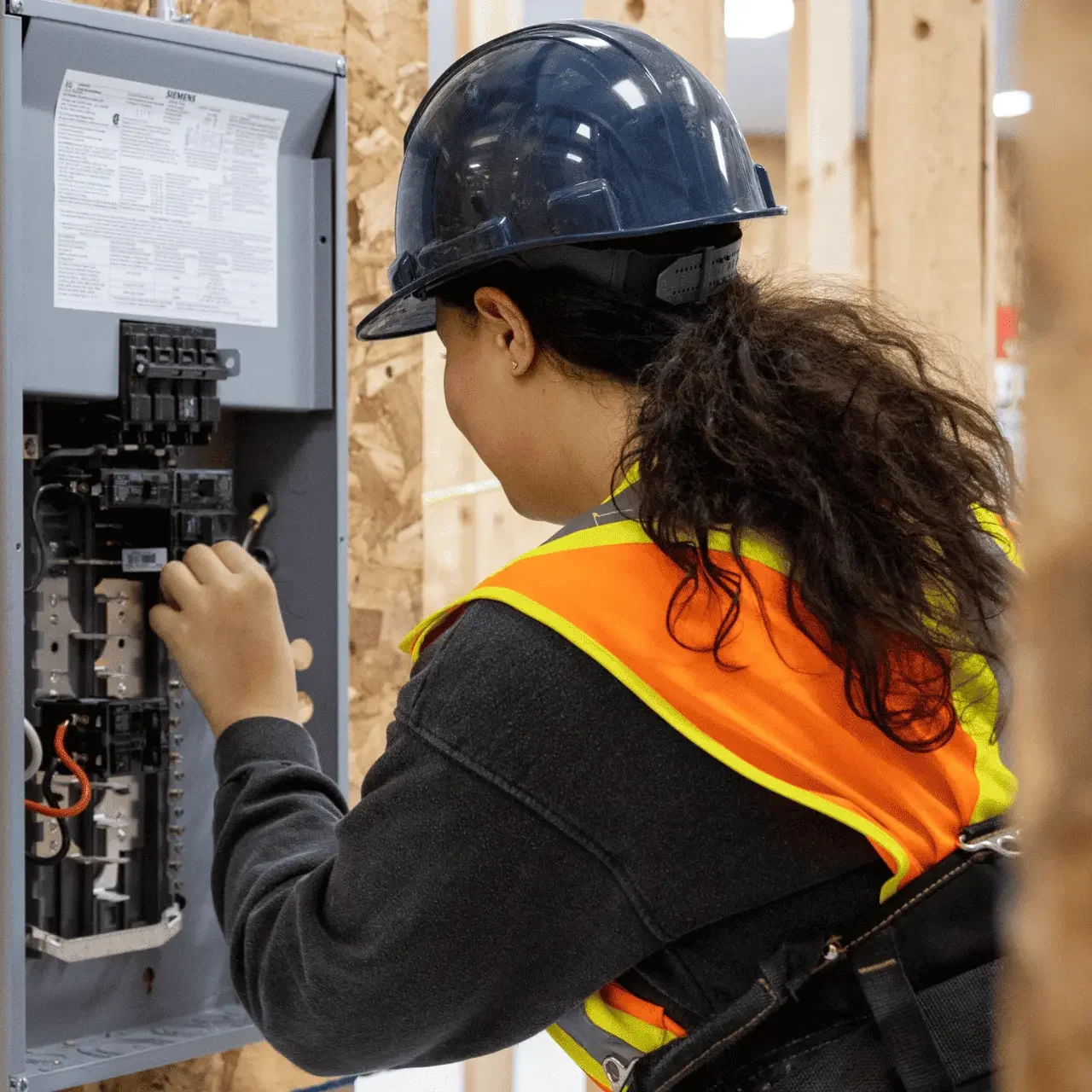
Electricians are among the most important tradies you’ll ever hire for your home or business. From installing new lighting and power points to rewiring an older property or setting up smart home technology, their work ensures your electrical systems are safe, functional and compliant with Australian standards. Attempting electrical work yourself isn’t just illegal — it’s dangerous. A licensed electrician has the training, tools and certification to complete the job correctly and provide a compliance certificate where required. Beyond safety, a good electrician also adds value by advising on energy-efficient solutions, planning your home’s electrical layout and ensuring your system can handle modern demands such as electric vehicle chargers and advanced appliances.
Costs for hiring an electrician can vary widely depending on the scope of work. Smaller jobs like installing a power point or replacing a light fitting are generally quick and affordable, while complex tasks such as rewiring an entire home or upgrading a switchboard require more time, materials and expertise. The cost you pay will also depend on where you live, how urgent the job is, and whether it can be scheduled during standard working hours or requires after-hours call-out. Understanding how electricians charge and what affects their rates will help you set a realistic budget and avoid unexpected surprises once work begins.
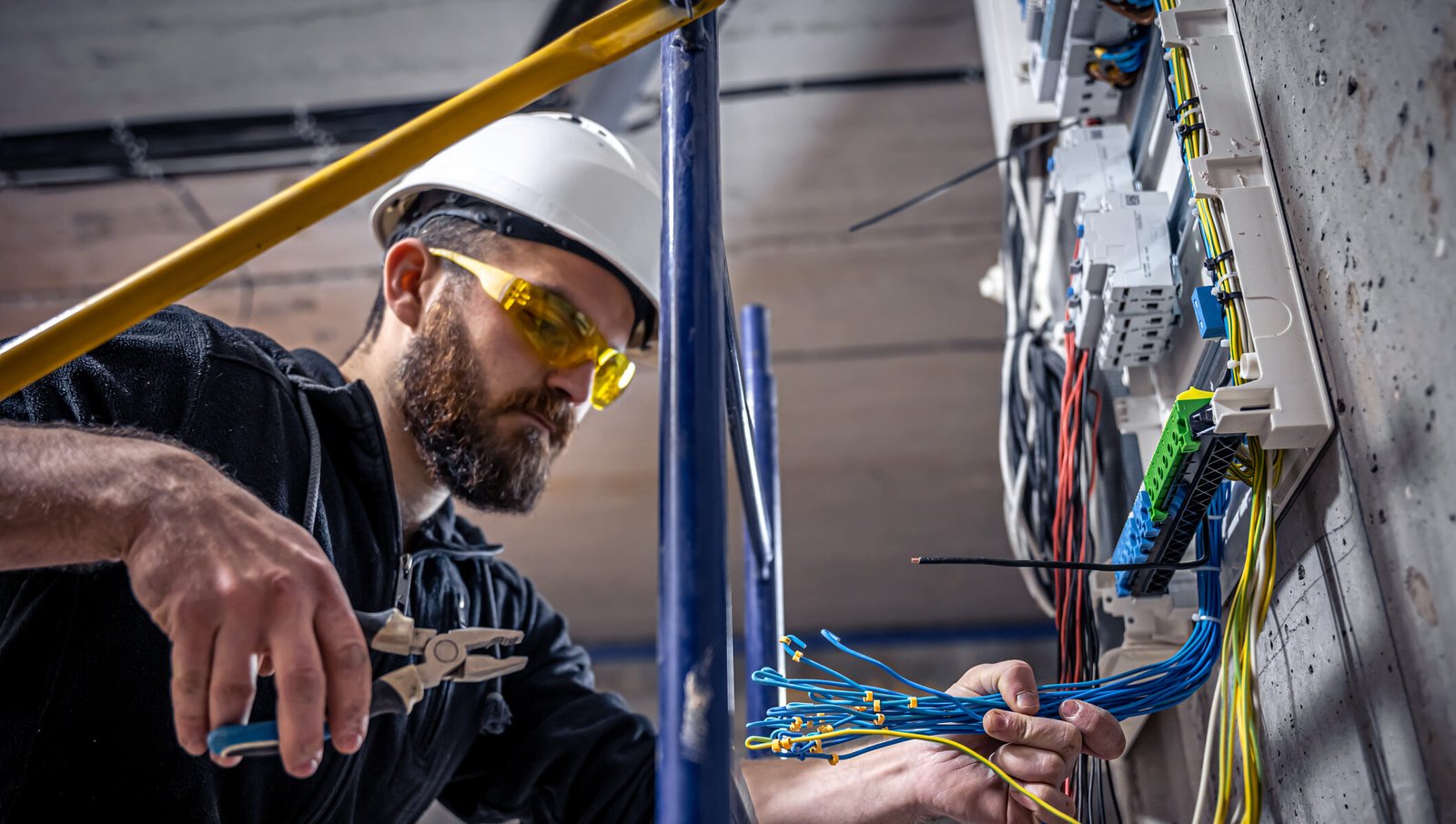
On average, electricians charge a call-out fee of $80 to $130 and an hourly rate of $80 to $100. Prices vary by state and by the type of work being done, with more complex installations costing significantly more than minor repairs or upgrades.
In this guide, we’ll cover:
What affects the cost of hiring an electrician
Average service and hourly rates in Australia
Costs by job type
Hidden and additional expenses to watch out for
Why hiring a licensed electrician is essential
How to save on electrician costs
How to find the right professional for your needs
The cost of hiring an electrician can vary widely, and much of it comes down to the type of work you need done. Small, straightforward jobs like installing a power point, replacing a light fitting or adding a ceiling fan are relatively quick, while larger projects such as rewiring a home or setting up a new switchboard require more time, materials and expertise, which pushes up the overall cost.
The complexity of the work is another major factor. Jobs in new builds or homes with good ceiling and wall access are usually simpler and cheaper than retrofits in older homes, where wiring may be outdated or difficult to reach. If walls or ceilings need to be cut into, or if your property requires excavation for underground cables, the labour charges will be higher.
Your location also matters. Electricians in metropolitan areas often charge more than those in regional towns, reflecting both higher demand and higher operating costs. Within cities, travel distance and access to the job site can also influence how much you pay.
Materials and fittings add another layer of cost. High-quality switches, safety devices, smart systems or decorative light fittings all cost more than standard products. If your home requires an electrical upgrade — such as a new switchboard, safety switches or circuit breakers — that will add to the price as well.
Finally, many electricians apply a call-out fee that covers travel and the first block of time. Emergency or after-hours work usually attracts premium rates, which can be double the cost of a standard appointment.
The type of job you need an electrician for is one of the biggest factors influencing cost. Simple installations are usually priced at the lower end, while complex or labour-intensive work comes with higher fees.
Installing a power point: $140 – $180 each, including labour and materials. Costs may be higher if installed in brick walls or areas with limited access.
Installing lights or downlights: $55 – $110 per downlight, or $60 – $150 for standard light fittings depending on the style and complexity.
Wiring for renovations or new builds: $80 – $120 per hour, with total costs depending on the size of the project and the number of circuits required.
Rewiring a home: $800 – $8,000+, depending on the size and age of the property and how much wiring needs replacing.
Installing smoke alarms: Around $150 per unit for mains-connected alarms, more if access is difficult.
Installing ceiling fans: $150 – $300 each, depending on the type of fan and installation complexity.
Installing safety switches: $90 – $250 per unit, often required to bring homes up to code.
Upgrading a switchboard: $500 – $1,200, with costs rising for larger or more complex systems.
Installing EV chargers: $1,000 – $4,000 for basic home chargers, and up to $10,000 or more for advanced systems.
Home automation systems: $2,000 – $50,000+, depending on the level of integration and technology chosen.
While most electricians provide clear quotes, there are often extra costs that homeowners don’t anticipate. Call-out or service fees are common, covering the first portion of labour and travel time. If the work takes longer than expected, additional hourly charges will apply.
Another hidden cost can be electrical upgrades. Older homes may require switchboard replacements, new safety switches or rewiring before modern appliances and fittings can be installed safely. These upgrades are essential for compliance and safety but can significantly add to the bill.
Access issues are another factor. If an electrician has to work in cramped roof cavities, behind finished walls or in multi-storey homes, extra time and labour will be needed. Emergency or after-hours work also attracts higher rates, often double the standard hourly charge.
Finally, don’t forget certificates of compliance or inspections. These may be required for certain jobs and are sometimes billed separately.
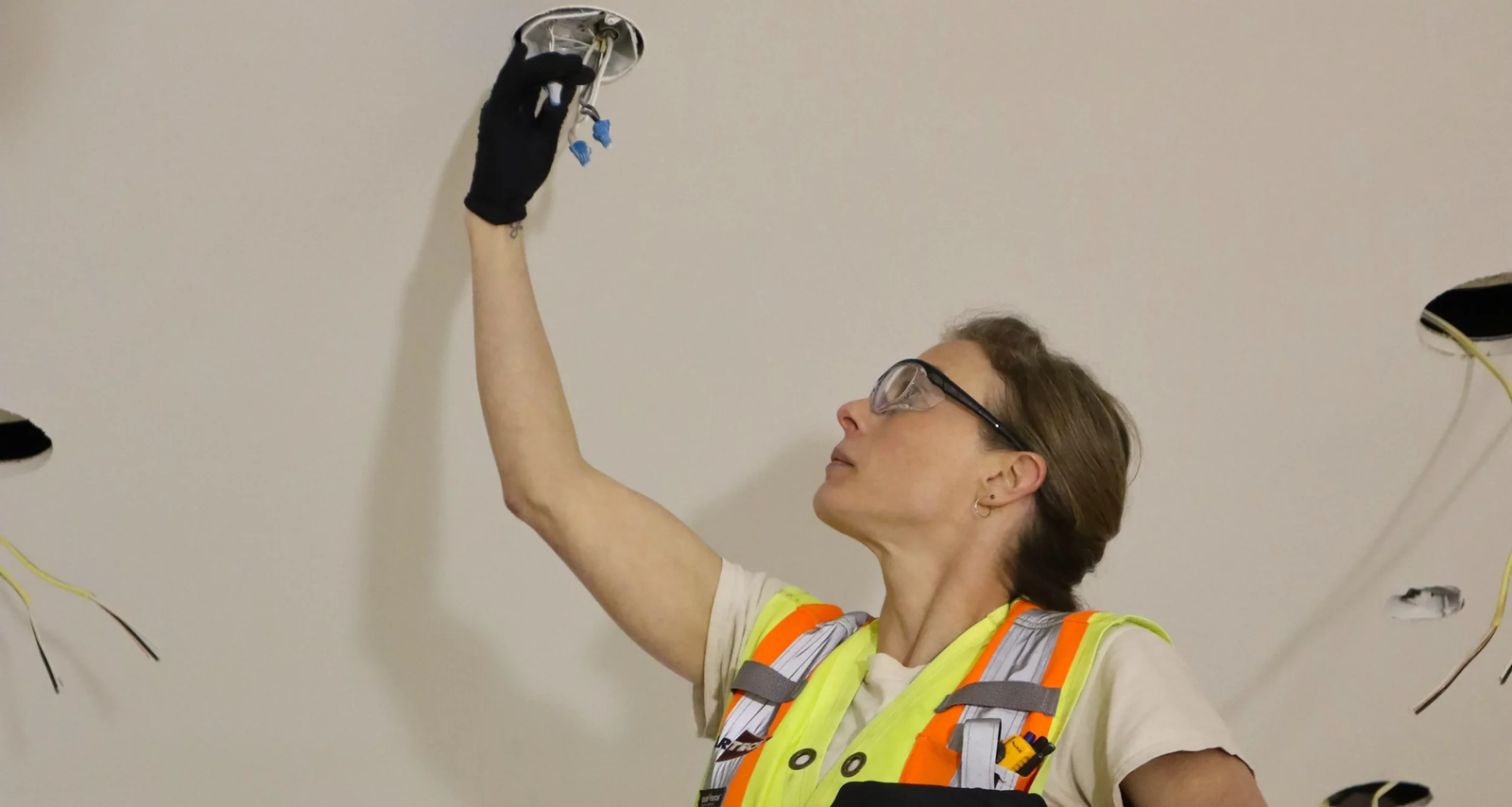
Hiring a licensed electrician is not just a legal requirement — it’s also the best way to ensure the safety and reliability of your electrical systems. Licensed electricians are trained to follow strict Australian standards, reducing the risk of electrical fires, shocks and other hazards.
Another benefit is insurance protection. If electrical work is carried out by an unlicensed person, it can void your home insurance. Licensed electricians provide compliance certificates, which are proof that the job was done to code and protect you if issues arise later.
Professional electricians also deliver better workmanship and efficiency. They know how to plan electrical layouts, recommend energy-efficient solutions and handle complex jobs that might overwhelm an untrained person. This expertise saves you money in the long run by preventing costly mistakes or repairs.
Finally, hiring a licensed electrician gives you peace of mind. You can trust that the work has been completed correctly, safely and with the right warranty coverage.
There are several ways to reduce the cost of electrical work without compromising on safety or quality. One of the most effective strategies is to combine multiple jobs into a single visit. Instead of calling an electrician out several times for small tasks, plan ahead and have them complete everything at once, which spreads the call-out fee and reduces labour charges.
Another way to save is to compare quotes from at least three licensed electricians. Rates can vary, and getting multiple quotes ensures you understand the market price and can choose the best value for your project.
Planning ahead is also important. Emergency or after-hours call-outs often cost double the normal rate, so booking work in advance during standard hours can significantly reduce expenses.
Finally, consider investing in energy-efficient upgrades. While LED lighting, smart switches or new safety devices may cost more upfront, they lower running costs and reduce the need for future repairs, saving money over time.
By being organised and making informed choices, you can manage electrician costs effectively while still ensuring the work is done safely and to a high standard.
Choosing the right electrician is just as important as setting your budget. A reliable professional ensures the job is carried out safely, efficiently and to Australian standards, giving you peace of mind that your home’s electrical system is in good hands. When hiring, always check that the electrician is licensed and insured, and don’t be afraid to ask for references or examples of similar work. A clear, written quote should outline labour, materials and any additional costs so there are no surprises later.
Finding a trusted tradie doesn’t need to be difficult. The Tradie List makes it simple to connect with licensed electricians in your local area. By visiting thetradielist.com, you can compare multiple quotes, check qualifications and hire with confidence, knowing you’re choosing a professional who can deliver safe, high-quality results.
Did you know that 59% of your home’s total energy usage is chewed up by heating and cooling systems? It’s a massive chunk of the household budget,…

What if the sticker price on your new cooling system dropped by A$1,610 before you even signed the contract? Many homeowners assume the air…

What if I told you that 37% of your potential clients are now using AI tools like ChatGPT to find their next inspector instead of a traditional…
Did you know that electrical faults cause approximately 40% of all house fires across Australia? If your home still relies on old ceramic fuses, you…