
Split System Air Conditioning Melbourne: The Ultimate 2026 Homeowner Guide
Did you know that 59% of your home’s total energy usage is chewed up by heating and cooling systems? It’s a massive chunk of the household budget,…

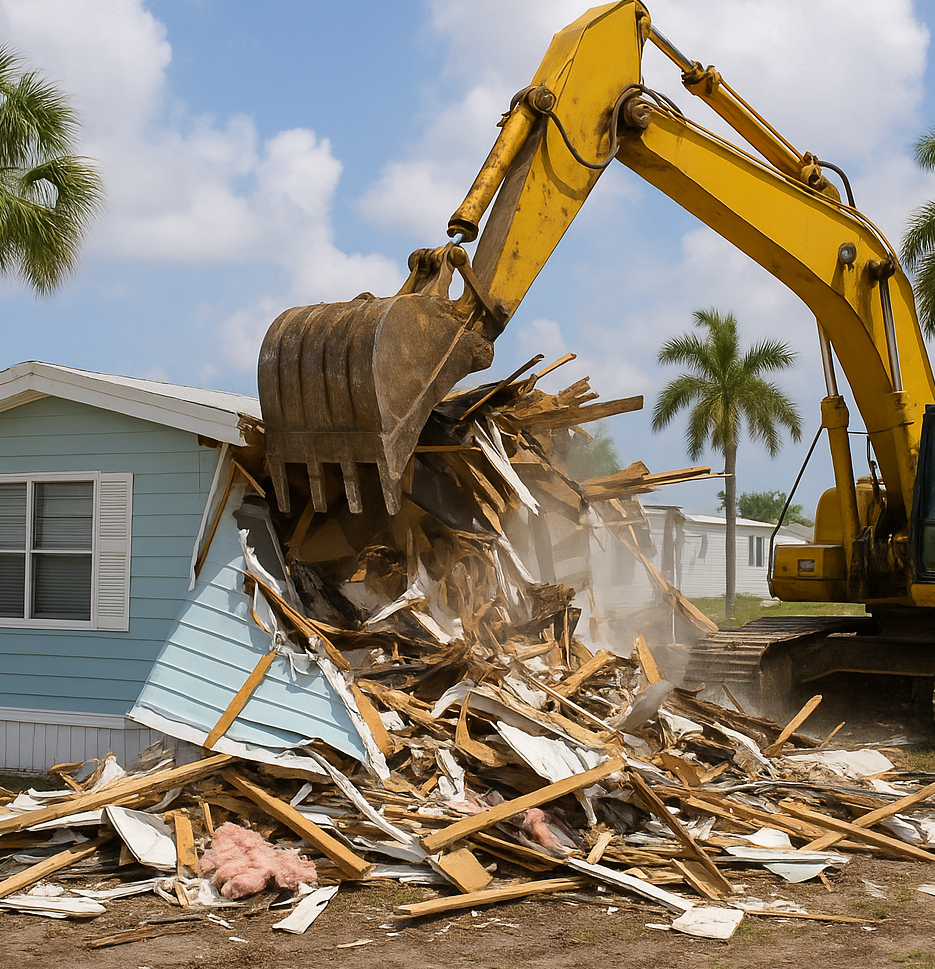

Obtain the necessary council or regulatory approvals before any demolition work begins.
Inspect the building for hazardous materials, structural risks, and nearby property concerns.
Create a detailed plan covering methods, timelines, safety procedures, and waste management.
Ensure electricity, gas, water, and telecommunications are safely disconnected before work starts.
Set up fencing, barriers, and signage to protect workers and the public during demolition.
Identify and safely remove asbestos, lead paint, or other dangerous substances by licensed contractors.
Adhere to the planned demolition method, whether manual, mechanical, or controlled implosion.
Use water sprays, dust screens, and noise barriers to reduce environmental impact.
Continuously check remaining structures to prevent uncontrolled collapses.
Separate metal, concrete, timber, and other materials for recycling where possible.
Ensure all demolition debris is transported and disposed of at licensed facilities.
Keep documentation of waste removal and recycling for compliance and sustainability reporting.
Remove all rubble, waste, and remaining materials from the site to leave it clean and safe.
Backfill and level the ground as required, preparing the site for redevelopment or landscaping.
Conduct a final site walkthrough to ensure safety, cleanliness, and compliance with permit requirements.
Did you know that 59% of your home’s total energy usage is chewed up by heating and cooling systems? It’s a massive chunk of the household budget,…
What if the sticker price on your new cooling system dropped by A$1,610 before you even signed the contract? Many homeowners assume the air…

What if I told you that 37% of your potential clients are now using AI tools like ChatGPT to find their next inspector instead of a traditional…