

Asbestos Inspection Checklist
Asbestos may be out of sight, but it should never be out of mind — especially in older homes, workplaces, and renovation sites. Our asbestos inspection checklist helps homeowners, landlords, and builders detect potential hazards early, ensuring safety and full regulatory compliance before any disturbance or demolition occurs.
Enter your postcode to connect with licensed asbestos assessors near you
Popular Searches : Plumbers, Pest Control, Lawn Mowing, Handyman,

Asbestos Inspection Checklist
Asbestos was widely used in building materials throughout much of the 20th century, and while it is now banned in many countries, countless older homes and commercial properties still contain asbestos-based products. Left undisturbed, these materials may not pose immediate danger, but when damaged, drilled, or deteriorated, asbestos fibres can become airborne and present serious health risks. That’s why a thorough inspection is vital before renovations, demolitions, or even routine maintenance in older properties. A structured asbestos inspection checklist ensures that potential hazards are identified, risks are assessed, and the right safety measures are in place. By carefully reviewing building materials, documenting conditions, and engaging licensed professionals, you can keep your property compliant with safety regulations and protect everyone who enters the space.

Asbestos Inspection Checklist
Check construction dates and previous renovation history to determine if asbestos-containing materials are likely present.
Inform building users about the inspection process and safety precautions to ensure transparency and cooperation.
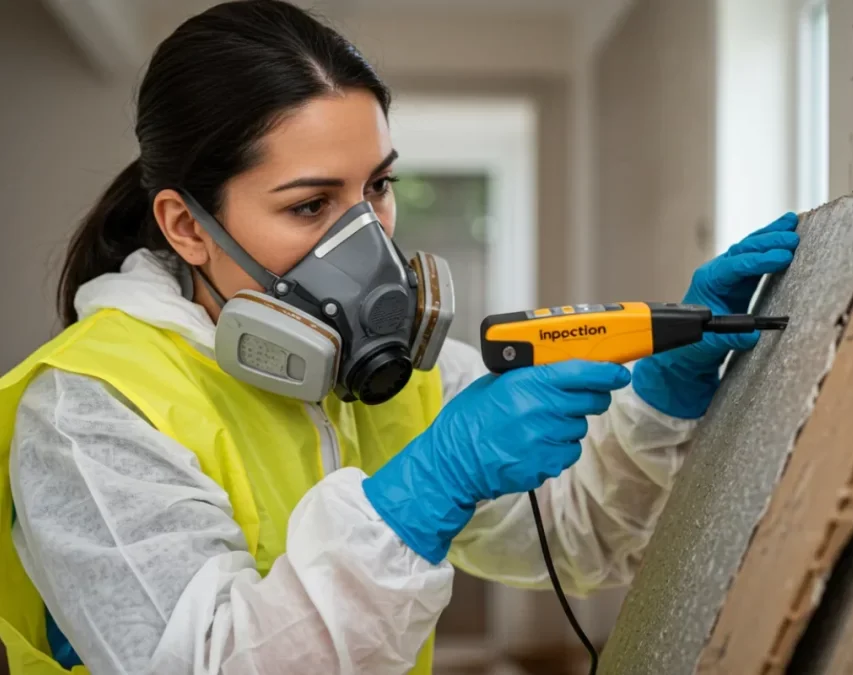
Only qualified professionals should carry out asbestos inspections, as they have the training and equipment to do so safely.
Examine walls, ceilings, insulation, flooring, and roofing for asbestos-containing products such as sheeting, tiles, or lagging.
Note whether materials are intact, deteriorating, or damaged. Friable asbestos poses the greatest health risk and requires urgent attention.
Licensed inspectors should collect small samples for laboratory analysis to confirm asbestos content.
Document the location, type, and condition of asbestos-containing materials in a clear, detailed report.
Ensure all identified materials are entered into the property’s asbestos register as required by law.
Create or update an asbestos management plan that outlines monitoring schedules, safety measures, and removal strategies if necessary.
Provide the inspection findings and recommendations to all stakeholders, including property owners, tenants, and contractors.
Limit entry to areas with damaged or friable asbestos until professional remediation or removal is completed.
Where necessary, engage licensed asbestos removalists to carry out remediation in compliance with health and safety regulations.
Conducting regular asbestos inspections is essential for maintaining a safe living or working environment, particularly in older buildings. By following this checklist, you’ll ensure that all potential risks are identified early, properly documented, and managed in line with regulatory requirements. While awareness and monitoring are important, any sampling, handling, or removal should always be carried out by licensed professionals to guarantee safety and compliance, giving you confidence that your property is secure for everyone who uses it.
