

Edit Template

Bathroom safety checklist

Bathrooms are one of the most accident-prone areas in any home—especially for kids, seniors, and those with limited mobility. With wet surfaces, hard tiles, and tight spaces, safety should never be an afterthought. Our bathroom safety checklist helps you identify risks and install smart solutions to avoid injuries before they happen.

Enter your postcode to connect with bathroom safety experts near you

Popular Searches : Plumbers, Pest Control, Lawn Mowing, Handyman,

Bathroom Safety Checklist

Bathroom safety checklist

The bathroom is one of the most frequently used rooms in any home, but it can also be one of the most hazardous if safety is overlooked. With hard, slippery surfaces, hot water, electrical fixtures, and limited space, the risk of slips, falls, and accidents is higher here than almost anywhere else in the house. Creating a safe bathroom isn’t just important for families with young children, elderly residents, or people with limited mobility—it benefits everyone who uses the space. By addressing potential risks early and putting practical safety measures in place, you can transform your bathroom into a room that is not only functional and comfortable but also secure. This checklist will guide you through the most important steps to reduce risks, prevent accidents, and give you peace of mind every time you or your loved ones step inside.

Slip and fall prevention
  • Place non-slip mats inside the shower or bath and on tiled floors to reduce the chance of slipping on wet surfaces.

  • Ensure any bathroom rugs have non-skid backings so they don’t slide when stepped on with wet feet.

  • Clean up water on the floor as soon as it appears to prevent dangerous puddles forming in high-traffic areas.

Safe fixtures and fittings
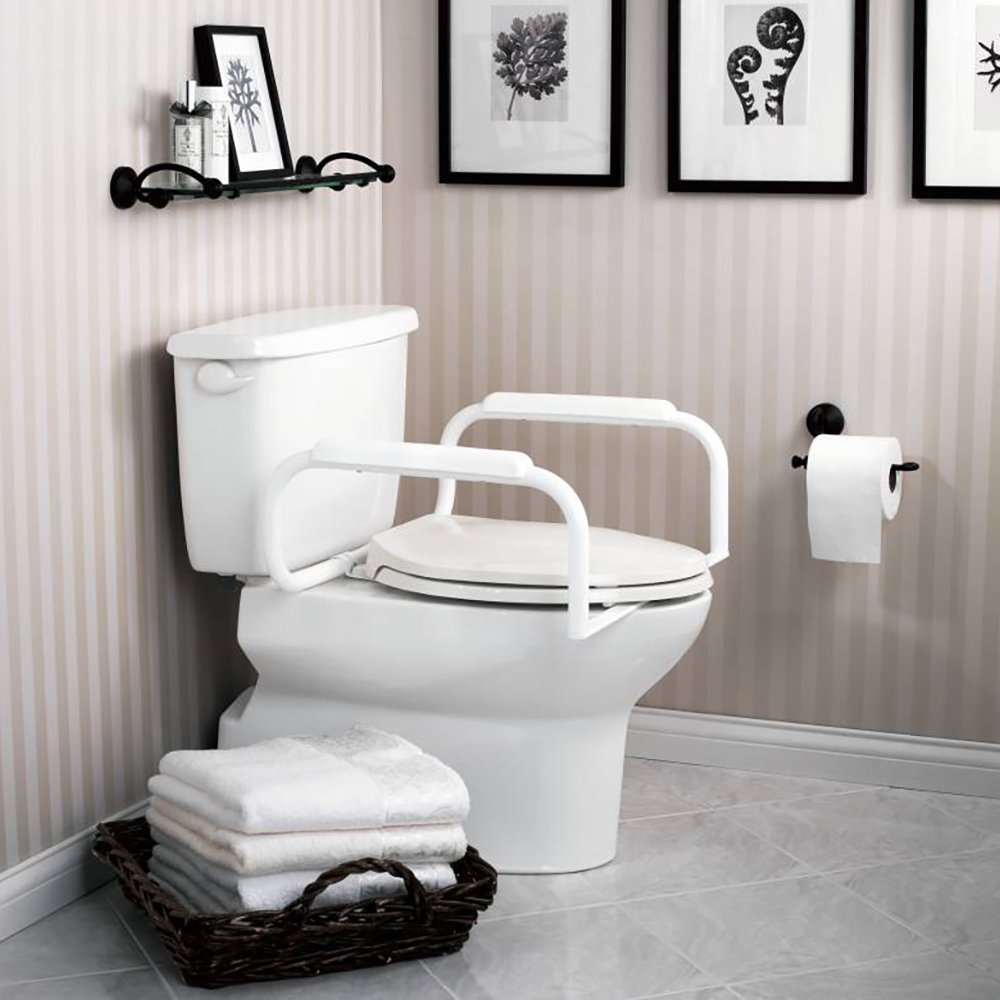
  • Install sturdy grab bars near the shower, bath, and toilet to provide stability for children, elderly family members, and anyone with limited mobility.

  • Check that shelves, towel rails, and storage units are firmly fixed to the wall to avoid accidents if someone leans or grabs them for support.

  • Ensure your bathroom has bright, even lighting so that every area is visible, especially around mirrors, showers, and step-down points.

Hot water and electrical safety
  • Set your hot water system to a safe temperature (around 50°C) to avoid scalding, especially for children and elderly residents.

  • Ensure items like hairdryers, shavers, and straighteners are stored well away from sinks, baths, and showers to avoid electrical hazards.

  • Use outlets with residual current devices (RCDs) or ground fault interrupters (GFIs) to cut power instantly in the event of a fault.

Child and elder safety
  • Install safety locks on cabinets containing cleaning chemicals, medications, or sharp objects to keep them out of reach of children.

  • Provide a sturdy shower chair or bath seat for elderly or mobility-impaired individuals to reduce fatigue and risk of falls while bathing.

  • Consider raised toilet seats or support frames to make sitting and standing easier for elderly or disabled family members.

Making your bathroom safer doesn’t have to be complicated—small changes like adding grab bars, using non-slip mats, and checking water temperature can prevent major accidents. By following this checklist, you’ll reduce risks for children, elderly residents, and guests, while creating a bathroom environment that is both comfortable and secure. A safe bathroom not only gives you peace of mind but also makes daily routines easier and more enjoyable for everyone in your home.