
Roofing Cost Calculators
Our estimate
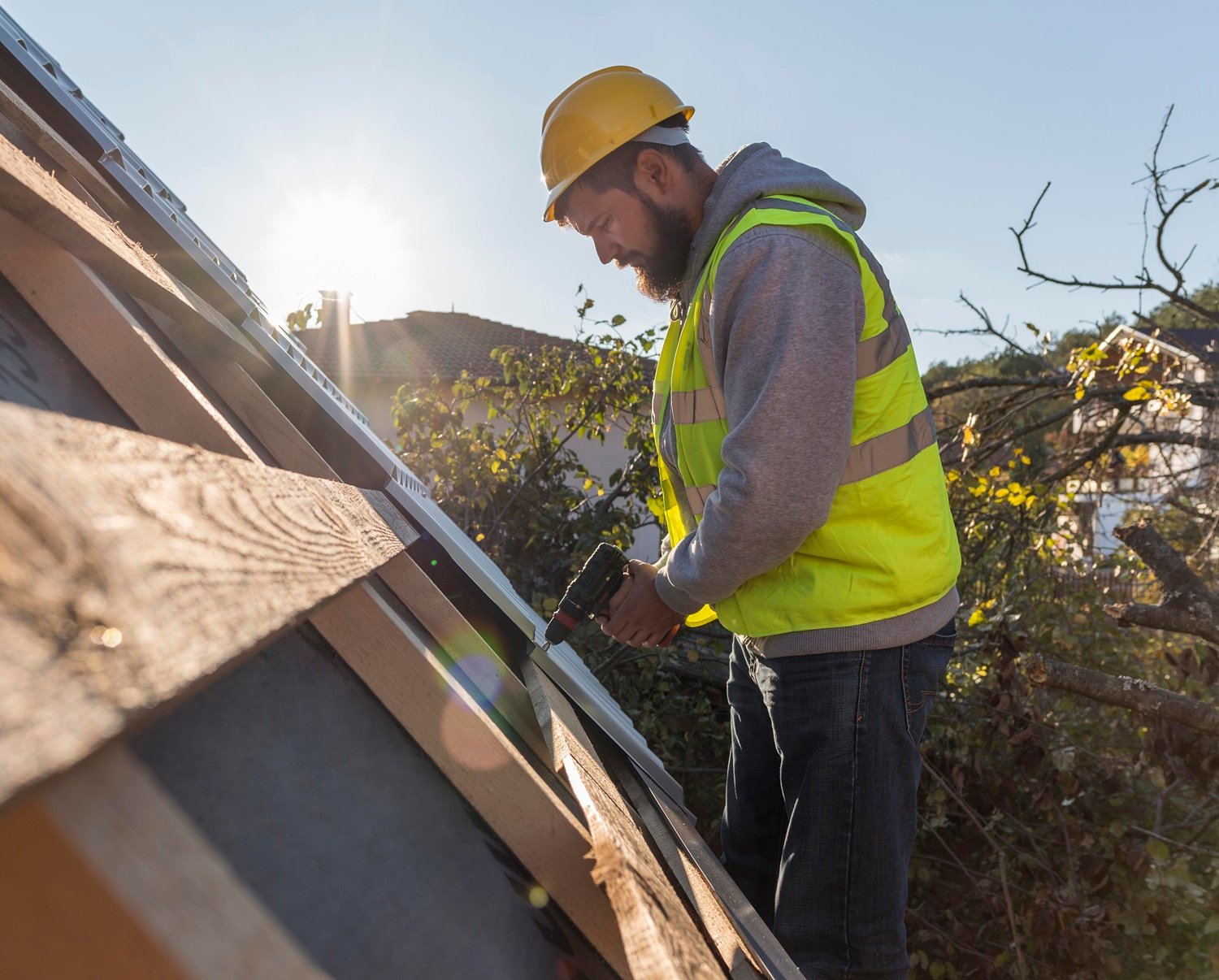
Replacing or repairing your roof is one of the biggest home improvement projects you’ll ever face — and it can also be one of the most expensive. Roofing costs in Australia vary widely depending on the size of your roof, its design, and the materials you choose. A budget-friendly Colorbond roof can start from as little as $18 per m², while premium options like slate tiles can cost up to $500 per m². On top of that, you’ll need to factor in installation, which typically ranges from $40 to $120 per hour.
To make things easier, we’ve created a simple Roofing Cost Calculator. Just enter your roof size and select your preferred material to get an instant estimate*. This will give you a ballpark figure to help plan your budget before speaking with roofing professionals.
Note: Estimates cover material costs only and do not include labour, old roof removal, scaffolding, or other additional expenses.
How to Calculate the Cost of a New Roof
Trying to work out the cost of a roof replacement can feel overwhelming, but breaking it down into simple steps makes the process easier. The goal is to calculate how much material you’ll need, what type of roofing you want, and the extra expenses that come with installation.
The quickest way is to use our Roofing Cost Calculator above — just enter the size of your roof and select your preferred roofing material to see an estimated price.
If you’d prefer to calculate it yourself, here’s the basic approach:
Measure the roof area – Find the total square metres of your roof by multiplying the length and width of each section, then adding them together.
Choose your roofing material – Costs vary greatly depending on the material (e.g. Colorbond, tiles, slate, or solar roofing).
Multiply area by cost – Multiply the total roof size (in m²) by the average cost per m² for your chosen material.
Add labour and extras – Don’t forget installation costs, roof removal, scaffolding, and any custom features.
This calculation won’t give you a final figure, but it provides a realistic starting point so you can budget properly before getting quotes from roofing contractors.
Step 1: Understand the Factors That Impact Roofing Costs
Before you dive into measuring your roof, it’s important to know what drives up (or brings down) the cost of roof replacement. Here are the key factors that can impact your total cost:
1. Roof Size
Most roofing quotes are based on the total square metres. Naturally, a larger roof means more materials and more labour — which increases your final price.
2. Roof Design
Simple roof shapes like flat or gable roofs are easier and cheaper to work with. But if your roof has multiple slopes, valleys, or complex angles (like a hip or skillion roof), expect higher costs for both materials and installation time.
3. Roof Pitch (Slope)
Steep-pitched roofs aren’t just harder to walk on — they require extra safety gear, scaffolding, and time. A steeper pitch = higher labour costs.
4. Roofing Material
This is one of the biggest cost factors. Prices vary widely between materials:
Colorbond: Budget-friendly, starting around $18/m²
Concrete tiles: Mid-range cost
Slate, timber, and solar tiles: Premium options with higher durability and price
Each material also comes with differences in lifespan, maintenance, and visual appeal.
5. Labour Costs
The more experienced the roofer, the higher their hourly rate — but also the better the result. Labour usually ranges from $40 to $120/hour depending on your location and job complexity.
6. Site Access & Scaffolding
If your roof is hard to access (e.g. double-storey homes, narrow blocks), installers may need special equipment or scaffolding, which adds to your total bill.
Step 2: Calculate the Total Square Metres for Your Roof
To get an accurate cost estimate, you’ll need to know the total surface area of your roof. Most roofing materials are priced per square metre, so this step is essential. Here’s how to do it:
1. Measure the Length and Width
Use a measuring tape (or building plans) to find the length and width of each section of your roof. If your roof has a complex design, break it into smaller, measurable shapes (rectangles, triangles, etc.).
2. Multiply Length × Width
For each section, multiply the length by the width to calculate the area in square metres.
Example:
If one roof section is 10 metres long and 5 metres wide, the area is:10 × 5 = 50 m²
3. Add Up All Sections
If your roof has multiple parts (like L-shaped or multi-slope structures), calculate each one separately, then add them all together to get the total roof area.
4. Use an Estimate (Optional)
If it’s unsafe or difficult to measure directly:
Use your home’s floor plan
Estimate from satellite tools (e.g. Nearmaps or Google Maps Pro)
Or ask a roofing contractor — many offer free measurement during a quote
Safety Reminder
Always prioritise safety. If you’re unsure, avoid climbing the roof yourself. It’s safer and often more accurate to get a professional to assess it.
Step 3: Estimate the Cost of Roofing Materials
Once you know the total area of your roof, the next step is to multiply that by the cost per square metre of your chosen roofing material. Prices can vary significantly depending on the material you choose — from budget-friendly metal sheets to premium natural slate.
Average Roofing Material Costs in Australia (per m²)
Below are some common roofing materials and their approximate price ranges:
Colorbond roofing: $18 – $37
Concrete roof tiles: $45 – $65
Steel roofing: $50 – $70
Corrugated metal roofing: $50 – $70
Asphalt shingles: Around $65
Terracotta tiles: $80 – $110
Clay tiles: Around $100
Timber roofing: Around $160
Solar tiles: Up to $320
Slate tiles: $200 – $500
These prices are material-only and don’t include labour or other extras.
Example Estimate
If your roof is 120 m² and you’re using concrete tiles at $55/m²:120 m² × $55 = $6,600 (materials only)
This simple calculation gives you a rough estimate — but remember, it’s just a starting point.
Things to Consider Beyond Cost
When choosing a material, think about more than just price. Consider:
Lifespan and durability
Aesthetic match with your home
Maintenance requirements
Climate compatibility
Each roofing material comes with trade-offs between price, performance, and appearance.
Step 4: Include Other Expenses
The cost of materials is only one part of your total roofing project. To get a more realistic estimate, make sure to include the following additional expenses:
Labour Costs
Hiring skilled roofing contractors can cost between $40 to $120 per hour, depending on experience, location, and job complexity. A more experienced roofer may cost more, but the quality and speed of work can be worth it in the long run.
Removal of Old Roofing
If you’re replacing an existing roof, you’ll likely need to factor in the removal and disposal of old materials.
Standard removal of materials like concrete or metal adds extra time and labour.
Asbestos removal involves special licenses and safety measures, which can make it significantly more expensive.
Site Access and Scaffolding
Homes with difficult access — such as tight spaces, steep driveways, or multi-story designs — may require additional setup like scaffolding or lift equipment. This can add hundreds or even thousands of dollars to the total job cost.
Extra Components and Custom Features
Your roof may need additional elements such as:
Skylights
Chimney flashings
Roof vents
Custom guttering
Structural reinforcements
These components increase both material and labour costs.
Council Permits (if required)
In some areas, significant roof work may require permits or compliance with local building codes. Be sure to check with your local council or ask your contractor if this applies to your project.
Step 5: Get Multiple Quotes
Once you’ve estimated the cost of materials, calculated your roof size, and factored in additional expenses, the final (and most important) step is to get real-world quotes from professional roofers.
Why You Should Compare Quotes
No two roofing companies charge exactly the same. Prices vary based on:
Experience and qualifications
Availability and timeframes
Type and brand of materials used
Whether removal, cleanup, and guarantees are included
Getting at least 3–4 quotes helps you spot:
Outliers (too high or suspiciously low)
Transparent, detailed pricing
Differences in materials or warranties
Hidden charges or exclusions
What to Ask a Roofing Contractor
When requesting a quote, be sure to ask:
Does the quote include removal of the old roof?
Are materials and labour broken down separately?
Is scaffolding or safety setup included?
Are there any additional fees (e.g. cleanup, transport)?
What is the warranty on workmanship and materials?
Tip: Don’t Just Go for the Cheapest
A cheap quote might mean cut corners, low-quality materials, or hidden costs later. Look for:
Strong reviews or references
Clear contracts and terms
Licensed and insured professionals
Transparent pricing and timelines
With quotes in hand, you’ll be in a great position to confidently budget for your roofing project and avoid unexpected surprises.
Roof Replacement vs. Roof Repairs
Not every roofing issue means you need a full replacement — sometimes a simple repair is all it takes. The right solution depends on the extent of the damage, the age of your roof, and your long-term goals.
When a Roof Repair Might Be Enough
Small leaks or localised water damage
A few cracked or missing tiles or shingles
Minor flashing issues around chimneys or skylights
Damage from a recent storm or fallen debris
Roof is still fairly new and structurally sound
Repairing can be a cost-effective solution if the damage is isolated and the rest of the roof is in good condition.
When It’s Time to Replace the Roof
Your roof is nearing the end of its lifespan (typically 20–40 years depending on material)
Multiple leaks or widespread damage
Structural issues or sagging in the roof
Repairs have become frequent and costly
You’re renovating or planning to sell the home
Replacing the roof may be a larger upfront investment, but it often saves money in the long run by avoiding ongoing repair costs and improving insulation, safety, and resale value.
Need help deciding? Use our Roofing Cost Calculator above and then compare the cost of repair quotes vs replacement. You might be surprised how close they can be in some cases.
Frequently Asked Questions
How do I calculate the cost of a new roof?
Start by measuring the total square metres of your roof. Then, multiply that area by the average cost per square metre of your chosen roofing material. Finally, add labour, removal, and any additional costs (like scaffolding or custom features) to get a realistic total estimate.
How much does a new roof cost per square metre in Australia?
The cost varies widely depending on the material used and the complexity of the job. On average:
Basic materials (like Colorbond) start at $18–$37/m²
Mid-range materials (like concrete or steel) range from $45–$70/m²
Premium options (like terracotta, slate, or solar tiles) can reach $100–$500/m²
What is the average total cost to replace a roof in Australia?
Most Australian homeowners spend between $10,000 and $30,000+ on a full roof replacement. This includes materials, labour, and other expenses. The final price depends on roof size, material choice, labour rates, site access, and the condition of your existing roof.
How do I calculate the square metres of my roof?
Measure the length × width of each roof section to get the area. If your roof has multiple shapes, measure each section individually and add the totals together. Use building plans if available, or ask a roofing contractor to provide measurements during a quote.
When is a roof replacement necessary instead of a repair?
You should consider full replacement when:
The roof is near or beyond its expected lifespan
There are frequent or widespread leaks
Structural problems are present
The cost of recurring repairs is adding up
A professional assessment can help confirm whether replacement is the more cost-effective option.