
Split System Air Conditioning Melbourne: The Ultimate 2026 Homeowner Guide
Did you know that 59% of your home’s total energy usage is chewed up by heating and cooling systems? It’s a massive chunk of the household budget,…

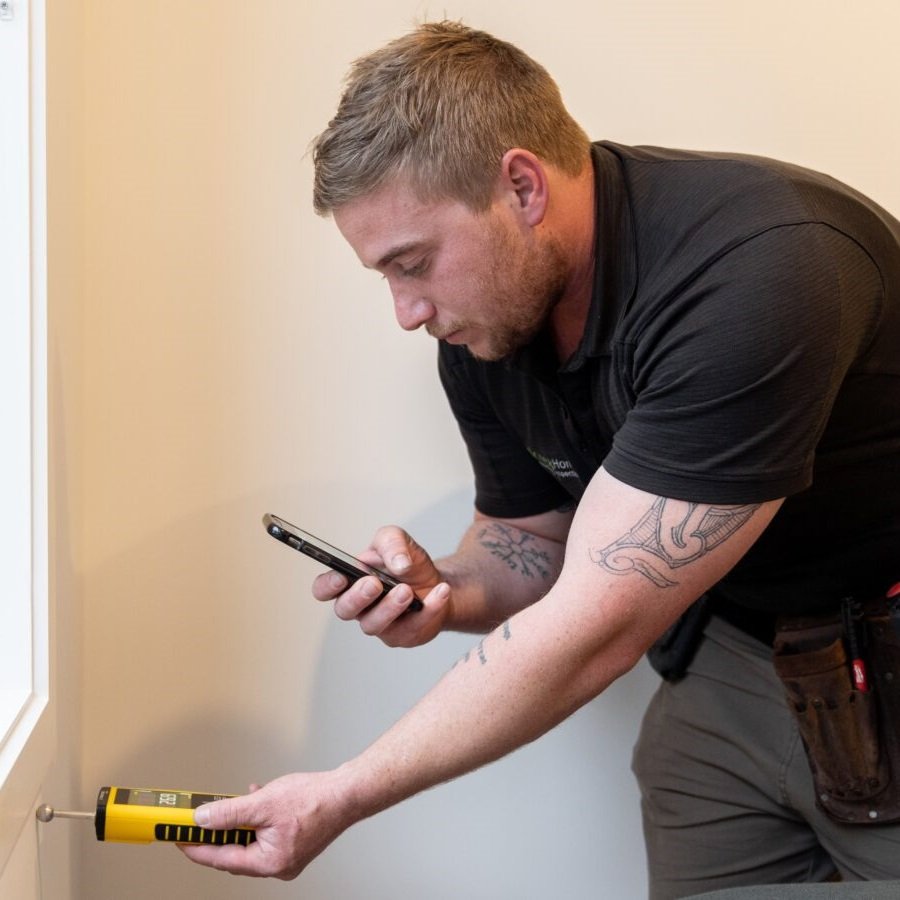

Check for damaged shingles, tiles, flashing, or gutters that may cause leaks or water damage.
Look for cracks, signs of movement, moisture intrusion, or damaged external finishes.
Inspect seals, frames, and glazing for drafts, leaks, or deterioration.
Ensure water flows away from the building and no pooling occurs near foundations.
Look for cracks, settlement, or moisture issues in the footings and slab.
Check walls, beams, and columns for signs of stress, bowing, or deterioration.
Ensure structural walls are intact and free of modifications that compromise stability.
Look for cracks, water stains, or sagging that may indicate leaks or structural problems.
Examine for unevenness, squeaks, or damage that could signal subfloor issues.
Test operation, check locks, and ensure smooth opening and closing without sticking.
Check taps, toilets, and showers for leaks, water pressure, and proper drainage.
Look for visible leaks, corrosion, or outdated materials that may require replacement.
Test switches, outlets, and circuit breakers for safe operation and compliance with codes.
Ensure smoke detectors are installed, functional, and compliant with regulations.
Check for secure, safe handrails and stable staircases free from damage or loose fittings.
Review fire doors, extinguishers, and escape routes to ensure they meet safety standards.
Check wall and ceiling insulation to ensure energy efficiency and thermal comfort.
Confirm that bathrooms, kitchens, and attics have adequate ventilation to prevent moisture issues.
Look for signs of termites, rodents, or other pests that could cause damage to the property.
Did you know that 59% of your home’s total energy usage is chewed up by heating and cooling systems? It’s a massive chunk of the household budget,…
What if the sticker price on your new cooling system dropped by A$1,610 before you even signed the contract? Many homeowners assume the air…

What if I told you that 37% of your potential clients are now using AI tools like ChatGPT to find their next inspector instead of a traditional…