

Edit Template

Brickwork Checklist

Whether youโ€™re laying a single garden wall or managing a full-scale construction project, proper brickwork starts with the right preparation. Our brickwork checklist helps you follow the key steps from foundation to finishing โ€” ensuring structural integrity, weather resistance, and a polished final appearance that lasts.

Enter your postcode to connect with trusted bricklayers near you

Popular Searches : Plumbers, Pest Control, Lawn Mowing, Handyman,

Brickwork Checklist

Brickwork Checklist

Brickwork is one of the most durable and timeless construction methods, but achieving a strong, neat, and lasting finish requires careful planning and attention to detail. From selecting quality bricks and mortar to preparing foundations and laying each course, every step plays a role in the final strength and appearance of the structure. Poor preparation or rushed work can lead to uneven walls, cracking, or moisture problems that compromise the integrity of the build. Whether youโ€™re tackling a small garden wall or working on a larger construction project, having a clear checklist ensures that no detail is overlooked. By following each step, youโ€™ll be able to achieve brickwork that is structurally sound, visually appealing, and built to stand the test of time.

Preparation
  • Ensure the base is level, clean, and strong enough to support the brickwork. A solid foundation prevents uneven settling and future cracking.

  • Check bricks for consistent size, shape, and colour. Avoid using damaged or brittle bricks that can weaken the overall structure.

  • Follow recommended ratios for sand, cement, and water. The mix should be workable but firm enough to hold bricks securely.

Laying bricks
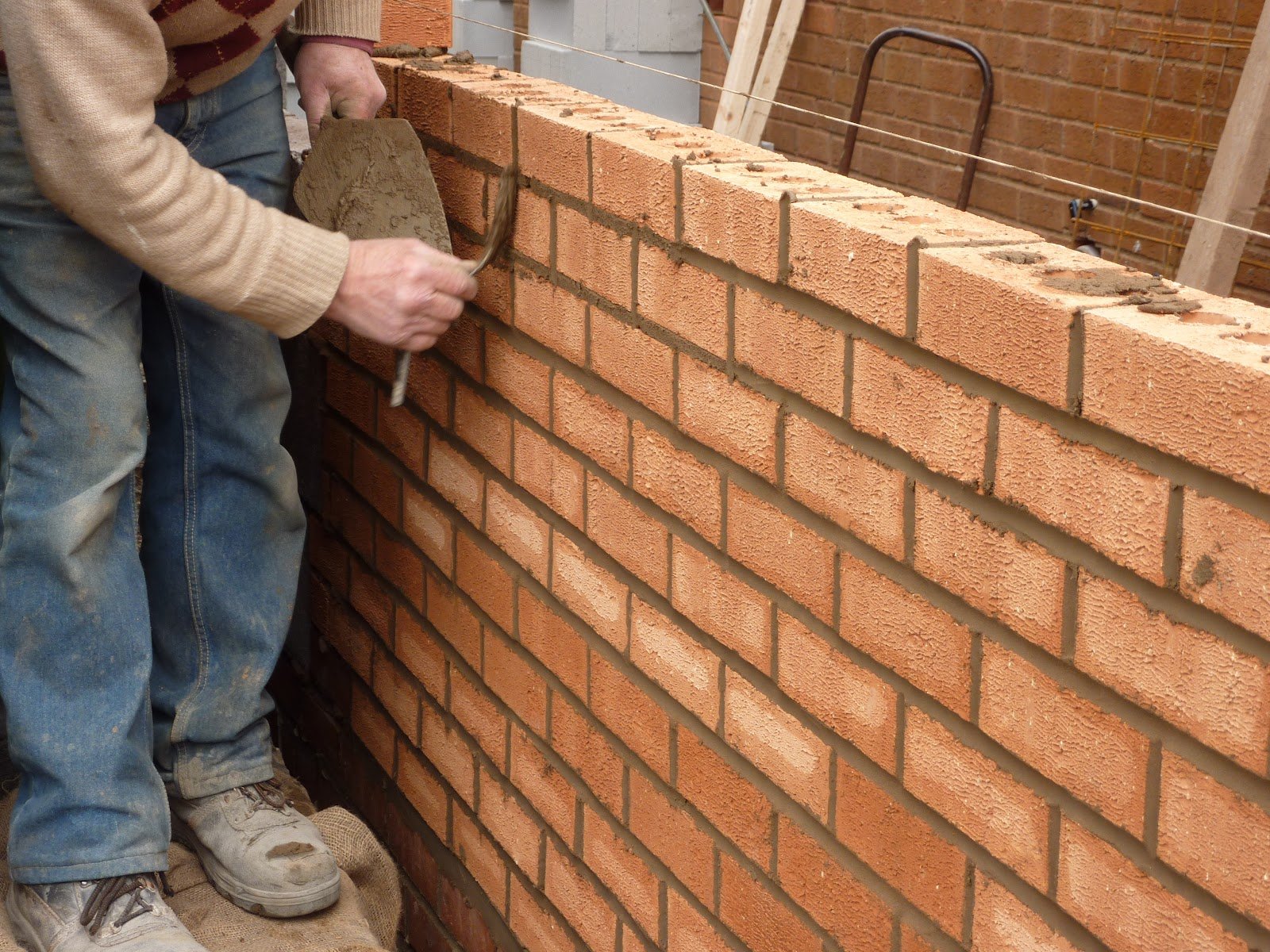
  • Use taut string lines to guide brick alignment and maintain straight, level courses throughout the build.

  • Spread mortar evenly with a trowel, keeping joints consistent in thickness. Too much or too little mortar can weaken the bond.

  • Lay bricks in a running bond pattern so vertical joints are staggered. This improves strength and creates a more attractive finish.

Structural checks
  • Use a spirit level regularly to confirm bricks are level horizontally and plumb vertically. Correct mistakes immediately to avoid compounding errors.

  • Keep bricks damp but not saturated before laying. This prevents them from drawing moisture out of the mortar too quickly, ensuring a strong bond.

  • In larger walls, include expansion joints as required to accommodate natural movement and prevent cracking.

Finishing
  • Shape and compress mortar joints with a jointer to improve weather resistance and give a neat, uniform finish.

  • Brush or sponge off smears before mortar hardens to keep the surface tidy. Avoid harsh cleaning that can damage brick faces.

  • Allow mortar to cure slowly, protecting fresh brickwork from heavy rain, frost, or direct sun with covers if necessary.

Strong and attractive brickwork comes from careful preparation, precise laying, and consistent finishing, and by following this checklist you can avoid the common mistakes that cause structural weakness or visual flaws. Whether used for exterior walls, garden features, or internal accents, well-executed brickwork provides durability and timeless appeal that adds real value to any property.