
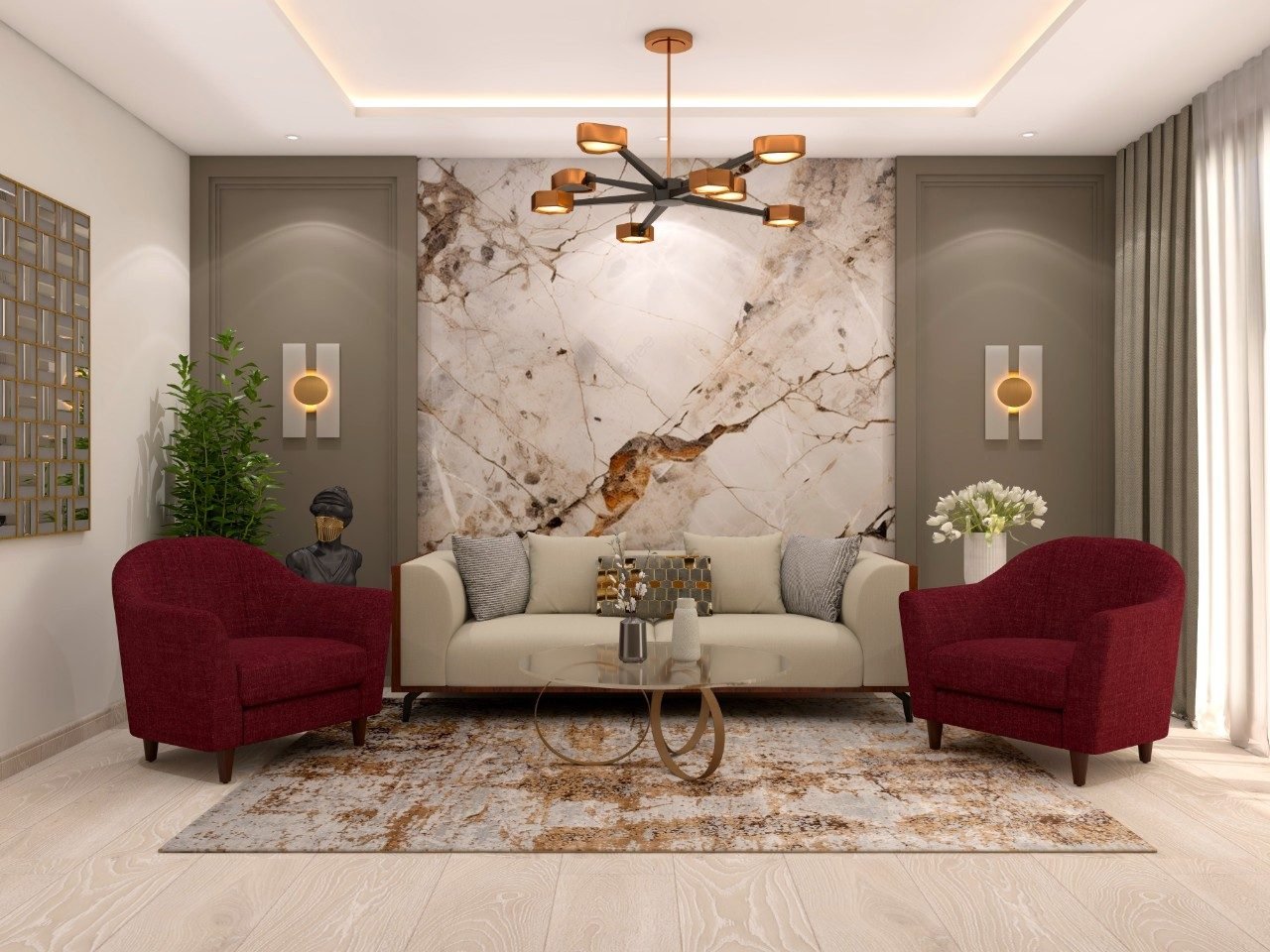

Interior Design Checklist
-
Clarify how each room will be used and by whom (work, relaxing, entertaining), noting accessibility needs and lifestyle patterns.
-
Create a mood board with 6–10 reference images to align on an overall look (modern, coastal, mid-century, eclectic) and avoid mixed signals.
-
Prioritise must-haves vs. nice-to-haves, assign a realistic budget range, and sequence phases to reduce downtime and rework.
-
Record room dimensions, ceiling heights, window and door positions, power points, and traffic paths for precise planning.
-
Ensure clear walkways (ideally 800–1000mm) around furniture groupings so rooms feel open and functional.
-
Use rugs, lighting, and furniture placement to create purposeful areas for dining, conversation, study, or TV without clutter.
-
Select a primary neutral, one supporting neutral, and 1–2 accent colours; repeat them across rooms for continuity.
-
Mix matte and gloss, smooth and tactile materials (timber, metal, stone, fabric) to add depth without visual noise.
-
View paint chips, fabrics, and tiles at different times of day to confirm undertones and light response.
-
Use ceiling fixtures or evenly spaced downlights to provide general illumination without glare or dark spots.
-
Position pendants, desk lamps, and under-cabinet strips where focused light is needed for cooking, reading, or grooming.
-
Incorporate wall lights or picture lights to highlight art, architecture, or shelving and create evening ambiance.
-
Match sofa depth, table size, and bed width to room proportions; avoid oversizing that blocks doors or windows.
-
Confirm seat heights, desk heights, and clearance under tables are comfortable for everyday use.
-
Use extendable tables, storage benches, or sofa beds to maximise utility in compact spaces.
-
Size rugs so front furniture legs sit on them; ensure adequate clearance from walls for a framed look.
-
Mix 2–3 textures and patterns within the palette to add warmth while keeping a coherent scheme.
-
Select durable, cleanable fabrics in high-traffic zones and fade-resistant options in sunlit rooms.
-
Choose blinds or curtains to control light and privacy; hang curtains high and wide to visually enlarge windows.
-
Hang art at eye level and use mirrors to bounce light and expand sightlines without cluttering walls.
-
Consider wall panelling, feature paint, or wallpaper to provide focal interest where appropriate.
-
Group items in odd numbers and vary height/texture for coffee tables and shelves; avoid overfilling.
-
Use low-maintenance plants to bring life and colour; select planters that echo the room’s finishes.
-
Edit accessories so focal points remain clear and rooms feel calm and intentional.
-
Incorporate built-ins, ottomans, and closed cabinetry to keep surfaces clear and maintain a tidy look.
-
Use adjustable shelving, drawer dividers, and labelled bins to streamline daily routines.
-
Log quotes, delivery windows, and returns policies to minimise delays and surprise expenses.
-
Schedule painting, electrical, and flooring before furniture arrives; protect finished surfaces during install.
-
Level artwork, centre rugs, tune lighting temperatures, and verify all items match the plan and fit the space.